

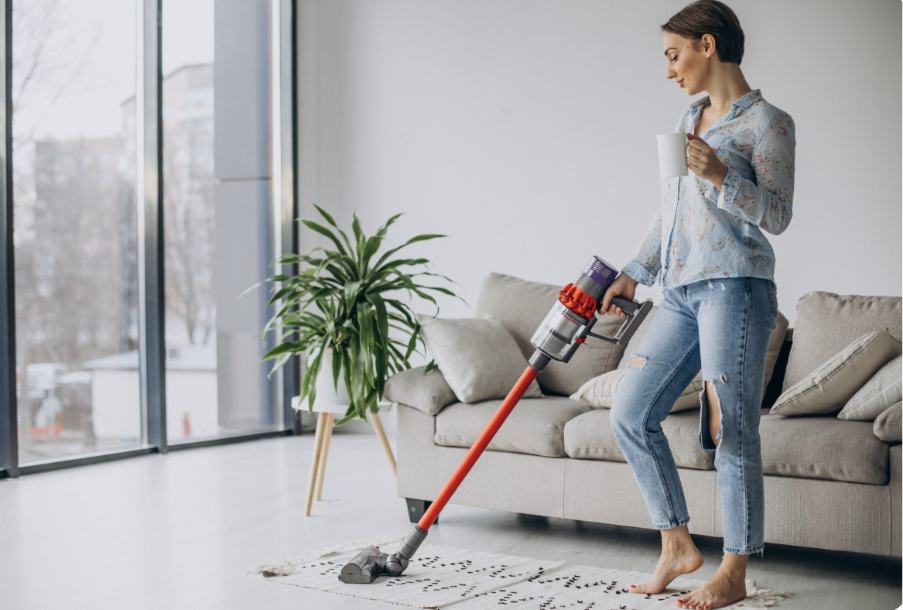
A vacuum cleaner is rarely considered a thought-provoking purchase. It is often used, quietly relied upon, and usually ignored until it stops delivering the results expected of it. Floors still look dusty after cleaning. Corners never seem fully clean.
These changes are signs of wear caused by daily habits, which are usually preventable. In homes where dust and fine particles are part of the environment, these habits matter more than most people realize. Here are a few tips to keep your vacuum cleaner running efficiently:
Use the correct attachment
Every vacuum cleaner has a role. Some handle large open areas better, while others perform best in corners, on furniture, or along edges.
When a single setting or attachment is used everywhere, efficiency slowly declines. Thick carpets, smooth floors, upholstery, and tight edges all respond differently to cleaning. Treating every surface the same forces the machine to compensate internally.
Using the correct attachment is not about improving speed. It reduces internal resistance and allows dust to move through the system instead of settling where it shouldn’t.
Clear the area before cleaning
Efficiency is affected before the vacuum cleaner even touches the floor. Small objects left behind interrupt movement and airflow. The machine works around them, but suction becomes uneven, and debris does not move as smoothly as it should.
The dust container plays an equally important role. Waiting until it is completely full restricts airflow long before it appears overloaded. As resistance increases, the motor compensates by working harder. Heat builds gradually, often unnoticed. Emptying the container earlier prevents this cycle and keeps performance steady.
Clean slowly
Many people equate speed with efficiency. In practice, the opposite is true. Fast passes lift surface dust but leave fine particles embedded in carpets and fabric. Slower passes allow suction to lift fine particles. This matters even more in areas used daily, such as entrances and living spaces, where dust settles deeper over time.
Corners and edges also require deliberate attention. Fine dust gathers there quietly and affects indoor air quality long before it becomes visible.
Do not skip the furniture
Floors are only part of the picture. Sofas and mattresses collect dust just as easily. Cushions and curtains also get dusty in no time. However, these surfaces are often ignored because dirt is less apparent. Regular attention here improves hygiene noticeably.
Dust generally settles under beds and large furniture. Skipping these spaces allows debris to circulate back into the room over time.
Maintain the vacuum cleaner
A vacuum cleaner does not suddenly fail. Performance declines gradually when filters clog, brushes jam, or hoses narrow due to blockages. Filters must be cleaned or replaced as needed. When airflow is restricted, suction weakens, and heat builds internally.
Brush rolls require routine checks. Hair and thread wrapped around them leads to the cleaner’s slow movement and strain its internal parts. Similarly, hoses and attachments should also be inspected occasionally, as blockages often go undetected.
Even the exterior matters. Dust buildup around vents affects ventilation during longer cleaning sessions.
Pay attention when performance changes
A noticeable drop in suction, unfamiliar sounds, excessive heat, or a burning smell should never be ignored. These are early indicators of internal stress. Continuing to use the vacuum cleaner under these conditions often causes irreversible damage.
For cordless models, reduced running time usually reflects battery strain rather than normal ageing. Addressing the issue early preserves usability.
Conclusion
Keeping a vacuum cleaner efficient is not about constant attention or technical skill. It comes down to awareness.
For instance:
· Clearing the space before cleaning.
· Emptying the container before resistance builds.
· Moving slower instead of pushing harder.
· Responding when results change.
In homes where dust is part of daily life, these small decisions extend the vacuum cleaner’s working life and make cleaning feel more controlled rather than frustrating.
