

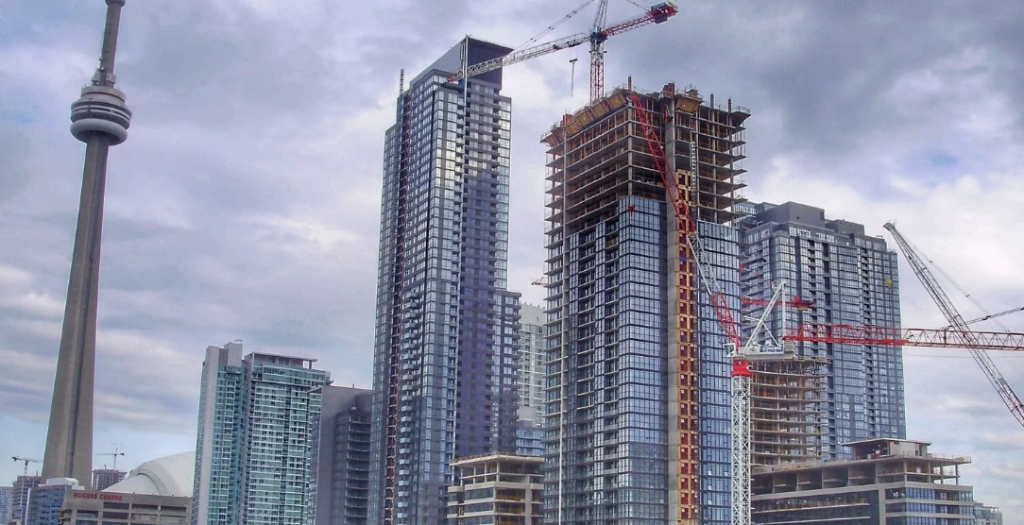
Why Pre-Construction Is So Popular
Pre-construction condos are a major part of Toronto’s housing market. In some years, more than 50% of new condo sales happen before the building is completed. Buyers commit based on floor plans, renderings, and a model suite.
Why do people buy early? Access. Early pricing. First choice of units. In a city where over 70% of new housing starts are condos, pre-construction is often the first step into ownership.
Still, buying something that does not exist yet requires discipline. It is not the same as walking through a finished home.
Understand the Timeline
Projects Take Years
Pre-construction is slow. Most condo projects in Toronto take three to five years from launch to completion. Delays are common. Labour shortages, material costs, and permit issues all play a role.
One buyer once assumed their condo would be ready in two years. It took four. They were frustrated at first. They later admitted they had not fully understood the construction timeline.
Expect delays. Plan for them.
Deposit Structure
Most projects require deposits of 15% to 20% over time. These payments are often spread across several months or years.
That structure can feel manageable. It still requires cash planning. Buyers need to know when each payment is due.
Research the Developer
Track Record Matters
Not all developers operate the same way. Some have decades of successful completions. Others are newer.
Search for past projects. Visit completed buildings. Speak with current residents. Look at how long earlier projects took to finish.
One buyer visited two older buildings by the same developer before committing. They checked hallway wear, lobby condition, and overall maintenance. That visit gave them confidence.
Reputation Is Earned
Marketing materials look polished. What matters is delivery.
As Michelle Kam has noted in past conversations about pre-construction, buyers often focus too much on brochures. “I once had a client ready to sign because they loved the rendering,” she said. “I told them we needed to check the developer’s history first. That decision saved them stress later.”
Reputation protects your investment.
Read the Agreement Carefully
It Is Not a Standard Resale Contract
Pre-construction agreements are lengthy. They include clauses about delays, changes to layouts, and occupancy periods.
Builders have the right to make certain modifications. Minor changes to square footage are common.
Do not assume the unit will look exactly like the rendering.
Occupancy vs. Closing
There is often a gap between occupancy and final closing. During interim occupancy, buyers may pay fees even though they do not yet own the unit fully.
This phase surprises many first-time buyers. Ask clear questions about how it works.
Understand the Market Risk
Prices Can Move
Toronto’s condo market has seen large swings. Between 2013 and 2023, average condo prices nearly doubled. In some shorter periods, prices dipped before rising again.
If the market cools before completion, the value of the unit may be lower than expected at closing. That risk exists.
Long-Term View Helps
Pre-construction works best for buyers with a long-term horizon. Quick exits are harder.
One investor once tried to assign their unit quickly during a slower cycle. They struggled. Another buyer held for several years and saw steady appreciation.
Patience often reduces stress.
Evaluate the Location
Transit Is Key
Projects near subway stations or transit hubs perform better over time. Access drives demand.
Walk the area. Count grocery stores. Check nearby schools. Location carries more weight than finishes.
Look at Future Development
Toronto changes quickly. Check city planning maps. New transit lines or parks can improve value. Oversupply in a small pocket can slow momentum.
Information is available. Use it.
Know the True Costs
Development Charges and Adjustments
Builders may pass on certain costs at closing. These can include development charges or utility adjustments.
Some contracts cap these charges. Others do not. Review carefully.
Maintenance Fees
New buildings often advertise low maintenance fees. These can rise as the building ages.
Ask what amenities are included. Pools and large gyms cost more to maintain.
Actionable Steps Before Signing
- Visit Past Projects
Do not rely on brochures. See what the developer has already built. - Ask About Delays
Request examples of how long prior projects took. - Review the Floor Plan in Detail
Measure furniture space. Think about storage. - Plan Cash Flow
Map out deposit dates and closing costs. - Check Transit Access
Walk to the nearest station. Time the commute. - Understand Interim Occupancy
Ask how long that period usually lasts. - Talk to Professionals
Use experienced guidance.
Common Mistakes Buyers Make
Falling in Love Too Fast
Model suites are staged perfectly. Lighting is controlled. Music plays softly. It feels polished.
One buyer admitted they signed because they liked the scent in the showroom. That excitement fades when real decisions begin.
Ignoring the Fine Print
Lengthy contracts discourage careful reading. That is a mistake.
Take time. Ask questions.
Assuming Everything Is Fixed
Layouts can change slightly. Completion dates can shift. Plan for flexibility.
Final Thoughts
Pre-construction is a major force in Toronto’s housing market. It shapes the skyline and expands supply. It also carries unique risks and timelines.
Buyers who prepare thoroughly reduce uncertainty. They research developers. They plan finances. They ask specific questions.
Pre-construction is not about chasing hype. It is about understanding the process and committing with clarity.
Toronto will continue building upward. Those who approach pre-construction with discipline and patience will be better positioned to handle whatever the market does next.
