

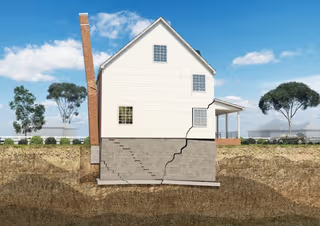
When a building is first completed, everything usually appears solid and stable. The floors are level, the walls are straight, and the structure performs exactly as designed. Yet years later, cracks begin appearing in walls, doors stop closing properly, or sections of the building start to shift.
These issues rarely happen overnight. Foundation problems typically develop slowly, often beginning with conditions that existed long before the building was even constructed.
Engineers try to prevent these problems during the planning stage by studying soil behaviour and site conditions through methods such as auger drilling. These early investigations reveal what lies beneath the surface and help determine whether the ground can properly support the structure over time.
When foundations eventually fail years after construction, the causes usually trace back to changes in soil, water movement, or design decisions made during the early stages of the project.
Foundations Depend on Stable Ground
Every building transfers its weight into the ground below. Foundations are designed to spread this load evenly so the soil can support it without shifting.
If the ground beneath the structure changes over time, the foundation may begin to move as well.
Even small movements can cause visible problems in a building, including:
- Cracks in walls or ceilings
- Uneven floors
- Gaps around windows or doors
- Doors that stick or no longer align properly
- Exterior brick or concrete cracking
These signs are often the first indication that the foundation is experiencing stress.
Understanding why these movements happen requires looking at what is occurring below the surface.
Soil Settlement Over Time
One of the most common reasons foundations fail years after construction is gradual soil settlement.
When soil is first disturbed during construction, it may appear stable once the building is complete. However, over time the soil can slowly compress under the weight of the structure.
This process is called settlement.
Some settlement is normal and expected. Engineers account for it when designing foundations. Problems occur when settlement happens unevenly across different parts of the building.
Uneven settlement can cause sections of the foundation to sink at different rates, placing stress on the structure above.
Several factors influence how much settlement occurs:
- Soil composition
- Moisture levels in the ground
- How well the soil was compacted during construction
- The weight and design of the building
When these conditions are not fully understood during site preparation, settlement can continue long after the building is finished.
Changes in Soil Moisture
Water plays a major role in soil stability. Changes in moisture levels can dramatically affect how soil behaves beneath a foundation.
Some soils expand when they absorb water and shrink when they dry out. This repeated cycle of swelling and shrinking can slowly move the ground beneath a structure.
Common sources of moisture change include:
- Heavy rainfall or flooding
- Poor drainage around the building
- Plumbing leaks beneath the foundation
- Tree roots drawing water from surrounding soil
- Seasonal changes in climate
Over time, these shifts in moisture levels can create uneven pressure beneath different parts of the foundation.
This movement may take years to become noticeable, which is why foundation problems sometimes appear long after construction is complete.
Poor Drainage Around the Building
Drainage problems are another common contributor to foundation failure.
When rainwater collects near the base of a building, it can gradually weaken the soil supporting the structure. Water softens the ground and may wash away fine soil particles, reducing the soil’s ability to carry weight.
Signs of drainage problems often include:
- Water pooling near the foundation
- Soil erosion around the building
- Damp or flooded basements
- Persistent moisture near exterior walls
Over time, these conditions can cause sections of the foundation to shift or sink.
Proper drainage systems, including grading, gutters, and drainage pipes, help redirect water away from the building to prevent this issue.
Tree Roots and Vegetation
Large trees planted near buildings can also contribute to foundation movement.
Tree roots naturally search for moisture in the soil. As they grow, they absorb water from surrounding ground, which can cause certain types of soil to shrink.
If roots remove moisture unevenly beneath different parts of the foundation, the ground may settle in irregular patterns.
In some cases, expanding roots can also physically push against foundation structures or underground utilities.
Careful landscaping and proper spacing between trees and buildings help reduce this risk.
Construction Shortcuts or Design Limitations
Occasionally, foundation problems result from decisions made during the construction phase.
Examples include:
- Inadequate soil testing before construction
- Foundations designed without accounting for soil conditions
- Improper soil compaction during site preparation
- Construction materials not suited for long-term conditions
These issues may not become visible immediately. Instead, the building may perform normally for several years before the effects gradually appear.
By the time the signs become visible, the underlying problem may have already been developing for a long period.
Monitoring Early Warning Signs
While foundation problems can take years to appear, buildings often show subtle warning signs early on.
Homeowners and building managers should watch for indicators such as:
- Small cracks forming in interior walls
- Uneven or sloping floors
- Doors or windows that suddenly become difficult to open
- Gaps forming around window frames or baseboards
Not every crack indicates a serious structural issue, but persistent or expanding cracks should always be evaluated by a professional.
Early detection often allows for simpler repairs before damage becomes more severe.
Why Early Investigation Matters
Foundation failures rarely occur without warning. Most develop slowly due to changes in soil conditions, water movement, or design limitations.
The best way to prevent these problems is by understanding ground conditions before construction begins and by maintaining proper drainage and soil stability around the building afterward.
When engineers carefully study the soil, design foundations suited to those conditions, and monitor how the ground behaves over time, buildings are far more likely to remain stable for decades.
What happens beneath the surface may be invisible, but it ultimately determines how well a structure stands the test of time.