

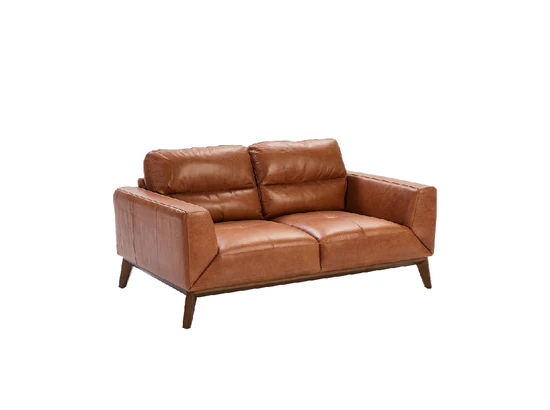
Buying modern online furniture has become the default for most people building or updating a home. The selection is wider than any physical floor can hold, prices are easier to compare, and delivery reaches almost everywhere. But the distance between a photo on a screen and the piece that arrives at your door is where the risk lives. A sofa that looks clean-lined and substantial in a styled image can turn up feeling flimsy, oddly proportioned, or upholstered in something you would not sit on twice.
The trick is knowing what to read closely and what to ignore. Modern online furniture is a category that covers everything from mass-produced flat-pack items to pieces made in small European workshops, and the photography on both can look similar. Learning to tell them apart before ordering saves you money, frustration, and the awkward process of returning something large enough to fill a hallway.
Start With Materials
A product page that lists “wood” without specifying the species, or “leather” without specifying whether it is full-grain, top-grain, or bonded, is already telling you something. Full-grain leather preserves the hide’s natural surface and develops a richer finish with years of use. Top-grain is sanded and treated for uniformity and sits a step below. Bonded leather is essentially leather scraps glued to a backing, and it will peel within a few years, no matter how careful you are. The same logic applies to wood. Solid oak, walnut, or beech is a different proposition from MDF (medium-density fibreboard) with a printed veneer, and any listing that refuses to say which one it is usually means the latter.
Read the Upholstery Details
Good sofas use kiln-dried hardwood frames, sinuous springs or eight-way hand-tied suspension, and high-density foam cushions wrapped in down or polyester fiber. Cheap ones use softwood or engineered panels, a web of rubber straps, and a single block of low-density foam that flattens in a season. The product description will sometimes tell you outright. When it does not, the piece’s weight is a decent proxy. A two-seater sofa under forty kilograms is almost certainly built to a price rather than to a standard.
Scale Is the Other Trap
Photography flattens dimensions, and photographers stage rooms to make pieces look either larger or smaller than they really are. Always check the listed measurements against the space you have, and map the footprint on your floor with masking tape before ordering. A dining table that reads as generous in a catalog spread can feel cramped once six chairs are tucked around it in a real room. Seat height matters too. A sofa with a 42-centimeter seat height reads very differently from one at 48, and neither is wrong, but the wrong choice for your legs or your dining chairs will quietly annoy you every evening.
Hardware and Joinery Reveal More Than Marketing Copy
Dovetail joints on drawers, mortise-and-tenon construction on chairs, and solid metal brackets where stress concentrates are marks of pieces built to last. Staples, plastic corner braces, and cam-lock fittings signal the opposite. Many manufacturers include close-up images of construction details on their product pages. When they do not, a direct question to customer service is usually answered honestly, and the quality of the answer tells you something about the company you are buying from.
Certifications and Warranties
These carry real weight when they are specific. An ISO 9001 quality management certification means the manufacturer runs documented processes with audit trails, which in practice correlates with consistent output. Fabric certifications such as OEKO-TEX indicate the textiles have been tested for harmful substances. Wood certifications like FSC point to traced supply chains. Warranties should be read for what they cover and for how long. Five years on frames and one year on upholstery is a fairly standard split. Lifetime warranties usually come with enough exclusions to make them marketing language rather than protection.
Sustainability Claims
These deserve the same scrutiny. “Eco-friendly” on its own means very little. Specific claims, such as water-based finishes, recycled steel content, or timber from certified forests, are verifiable and worth paying attention to. Vague ones are not.
The Returns Policy Is the Last Thing to Read Carefully
Large furniture is expensive to ship back, and some retailers pass the full cost to the customer for anything outside a narrow window of defects. Others offer in-home trials or white-glove delivery with inspection before you sign. Understanding the policy before you order means you are choosing the piece and the process together, not just the photograph.
A Slower Decision in the Right Places
None of this makes buying furniture online harder than it needs to be. A good piece of furniture will sit in your home for ten or twenty years, and the hour spent reading specifications, comparing construction notes, and measuring the space is a small investment against that timeline. The pieces worth owning tell you they are worth owning, quite openly, in the way they describe themselves. Those who hide behind styled photography are usually hiding something.