

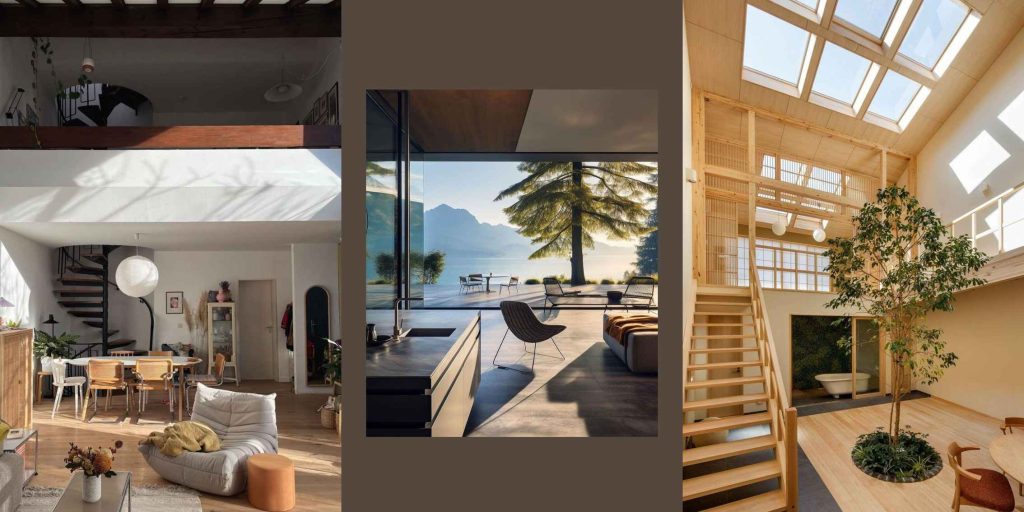
Lighting is one of the most influential elements in interior design, shaping both the mood and visual identity of a space. In recent years, there has been a growing appreciation for natural textures and handcrafted design elements. Among these, the rattan chandelier has gained attention for its ability to blend warmth, texture, and soft illumination in a way that feels both modern and timeless.
Unlike more industrial or highly polished fixtures, a rattan chandelier brings an organic presence into a room. It reflects a shift toward interiors that feel grounded, comfortable, and connected to natural materials.
The Rise of Natural Materials in Lighting Design
Interior design trends often move in cycles, but the return to natural materials has remained steady. Wood, stone, linen, and woven fibers are being used more intentionally to soften modern interiors.
Lighting plays a major role in this shift. Instead of purely metallic or glass fixtures, designers are incorporating organic materials that introduce warmth and texture.
The rattan chandelier fits perfectly into this movement. It combines functionality with craftsmanship, offering light diffusion through woven patterns that feel visually soft and inviting.
Why Texture Matters in Lighting
Texture is often overlooked in lighting design, but it has a powerful impact on how a space feels. Smooth, reflective surfaces create a clean and modern look, while textured materials introduce depth and character.
A rattan chandelier adds visual interest even when it is not illuminated. The woven structure casts subtle shadows and patterns, giving the room a layered appearance.
This interaction between light and material is what makes textured lighting so compelling. It transforms lighting from a purely functional element into a design feature.
Creating a Warm and Inviting Atmosphere
One of the most valued qualities in home design is warmth. Not just temperature, but emotional warmth—the kind that makes a space feel lived-in and welcoming.
Lighting plays a direct role in achieving this feeling. Harsh or overly bright fixtures can make a room feel sterile, while softer lighting creates comfort.
A rattan chandelier naturally diffuses light, helping to reduce glare and produce a softer glow. This makes it ideal for spaces where relaxation and comfort are priorities.
Blending Modern and Natural Styles
Modern interiors often emphasize clean lines and minimal decoration. While this creates a sense of order, it can sometimes feel too structured or cold.
Introducing natural elements helps balance this effect. The rattan chandelier acts as a bridge between modern design and organic texture.
Its form is often simple and structured, but the material itself brings softness and warmth. This balance allows it to fit into a wide range of interior styles without feeling out of place.
Enhancing Dining and Living Spaces
Lighting is especially important in shared spaces like dining rooms and living areas. These are places where people gather, talk, and spend extended time together.
A rattan chandelier works well in these environments because it creates a focal point without overwhelming the room. It provides enough light for daily use while maintaining a relaxed atmosphere.
In dining areas, it can help define the space and make meals feel more intimate. In living rooms, it contributes to a calm and inviting setting.
The Role of Light Diffusion
One of the unique characteristics of woven lighting designs is how they interact with light. Instead of emitting light directly, the material filters it.
This diffusion softens brightness and reduces harsh shadows. It creates a more comfortable visual experience, especially in the evening.
A rattan chandelier uses this principle effectively, turning direct illumination into a gentle, ambient glow.
Supporting Sustainable Design Choices
As awareness of environmental impact grows, many homeowners are seeking materials that align with more sustainable practices. Natural fibers like rattan are often associated with renewable sourcing and traditional craftsmanship.
While sustainability depends on many factors, the use of organic materials in lighting reflects a broader shift toward mindful consumption.
Choosing a rattan chandelier can be part of a design approach that values natural materials and long-lasting aesthetic appeal.
Versatility Across Interior Styles
Although often associated with bohemian or coastal interiors, rattan lighting is surprisingly versatile. It can complement modern, rustic, minimalist, or eclectic designs depending on how it is used.
In a minimalist space, it adds warmth and contrast. In a rustic setting, it blends naturally with other organic materials. In more modern interiors, it introduces texture without disrupting clean lines.
This adaptability is one reason the rattan chandelier continues to grow in popularity.
Creating Visual Balance in a Room
Good interior design often relies on balance between hard and soft elements. A room filled with straight lines and smooth surfaces can feel rigid, while too many soft elements can feel unstructured.
Lighting helps maintain this balance. The rattan chandelier introduces curved, woven forms that contrast with sharper architectural features.
This contrast creates visual interest and helps the room feel more dynamic.
The Importance of Scale and Placement
Lighting is not just about style—it is also about proportion. The size and placement of a chandelier can significantly affect how a room feels.
A well-sized fixture can anchor a space, while an oversized or undersized one can feel out of place.
When using a rattan chandelier, careful consideration of ceiling height, room size, and furniture layout ensures that it complements rather than dominates the space.
Soft Lighting for Everyday Living
Modern lifestyles often call for adaptable lighting. Spaces need to support everything from focused tasks to quiet relaxation.
Soft lighting plays an important role in this flexibility. It reduces eye strain and creates a more comfortable environment for extended use.
A rattan chandelier naturally supports this by diffusing light evenly and reducing intensity without sacrificing brightness.
Emotional Impact of Natural Design
Design is not just visual—it also affects how people feel. Natural materials tend to evoke calmness and relaxation.
The presence of woven textures and warm lighting can make a space feel more grounded and less artificial.
A rattan chandelier contributes to this emotional effect by bringing a sense of nature indoors, even in urban environments.
Final Thoughts
Lighting is one of the most powerful tools in shaping interior atmosphere. It influences mood, highlights design, and defines how a space is experienced.
The rattan chandelier stands out as a lighting choice that combines natural texture with functional illumination. It softens spaces, adds warmth, and introduces a handcrafted quality that feels both timeless and contemporary.
By understanding its uses and importance, it becomes clear why this style of lighting continues to resonate with modern homeowners. It is not just about brightness—it is about creating spaces that feel comfortable, balanced, and connected to natural beauty.