

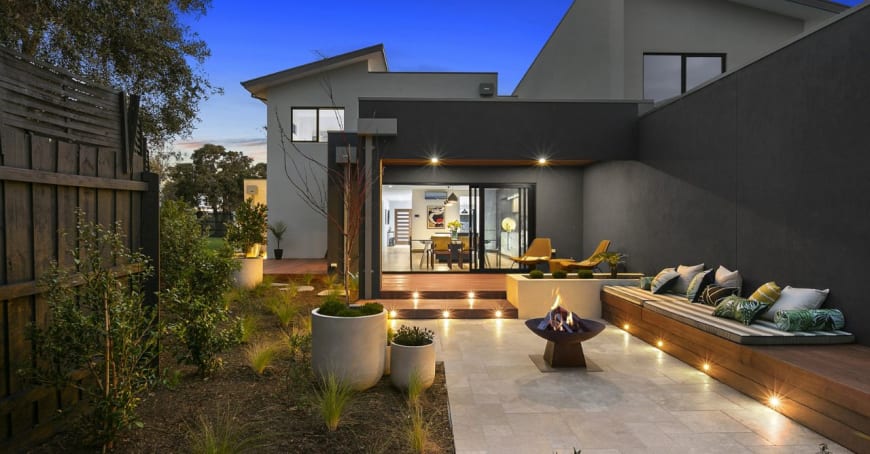
Most people think outdoor design is about looks.
It is not.
Good outdoor design changes how a property works. It changes how people move, relax, gather, and spend time at home.
A smart outdoor space can turn unused square footage into part of daily life. It can make a small property feel larger. It can even change routines people have followed for years.
That shift is happening in cities everywhere.
Outdoor Spaces Are No Longer Just Decoration
Homeowners Want Functional Space
People want outdoor areas they actually use.
That means:
- Outdoor dining
- Lounge areas
- Quiet reading spaces
- Rooftop terraces
- Compact gardens
The focus has changed from appearance to function.
According to a 2024 Houzz report, more than 60% of homeowners renovating outdoor areas said usability was their top priority.
That makes sense.
Nobody wants a beautiful patio that sits empty.
Lifestyle Drives Design Decisions
Smart outdoor design starts with habits.
How do people spend their mornings? Where do they relax after work? How do they gather with friends?
Those questions matter more than trends.
“One client had a large backyard but only used one small corner near the kitchen door,” one Montreal designer said. “We stopped designing for the whole yard and focused on how they actually lived. The space became useful immediately.”
That is the key idea behind smarter design.
Better Layouts Improve Property Use
Every Square Foot Should Have a Purpose
Unused outdoor space is common.
Large lawns often sit empty. Oversized patios become storage areas.
Smart layouts fix that problem.
Outdoor spaces work better when divided into simple zones:
- Seating
- Dining
- Walking paths
- Greenery
- Quiet areas
This improves movement and comfort.
Smaller Spaces Can Feel Bigger
Good design creates flow.
Clear pathways and open layouts make even compact spaces feel larger.
This matters in dense cities where outdoor space is limited.
One project connected to Frank Saltarelli Montreal focused on a narrow rooftop terrace with strong wind exposure. Instead of filling the space with furniture, the design used built-in seating and vertical greenery. The rooftop suddenly felt open and comfortable.
That is smart use of space.
Outdoor Design Can Improve Daily Routine
People Spend More Time Outside
A better outdoor setup changes behavior.
People eat outside more often. They read outside. They relax outside instead of sitting indoors.
That creates healthier routines.
A study from the University of Exeter found that people who spend at least two hours a week in nature report higher levels of well-being.
Outdoor space makes that easier.
Morning and Evening Habits Matter
The best outdoor spaces support small daily habits.
- Morning coffee
- Evening conversations
- Quiet breaks during the day
“One homeowner told me they wanted a place to sit with coffee before work,” the designer said. “We added one bench with morning sunlight and a small planter wall. That became the most used part of the property.”
Not every upgrade needs to be massive.
Smart Outdoor Design Improves Comfort
Shade Changes Everything
People avoid uncomfortable spaces.
Too much heat makes patios unusable. Too much wind ruins rooftops.
Smart design solves these problems.
Popular solutions include:
- Pergolas
- Shade sails
- Trees
- Wind barriers
- Vertical planters
These features improve comfort without overcomplicating the space.
Lighting Extends Outdoor Use
Lighting matters more than most homeowners realize.
Good lighting keeps outdoor areas active after sunset.
- String lights
- Path lighting
- Soft overhead lighting
- Accent lights near plants
“One family stopped using their yard completely after dark,” the designer said. “We added warm lighting around the seating area. Suddenly they were outside almost every night.”
That is a simple upgrade with a big effect.
Sustainability Is Becoming Part of Smart Design
Native Plants Reduce Maintenance
Low-maintenance spaces get used more often.
Nobody wants to spend every weekend fixing outdoor problems.
That is why native plants are becoming more popular.
Native species:
- Require less water
- Handle local weather better
- Need less maintenance
Environment Canada reports that native landscaping can reduce outdoor water demand significantly in some urban areas.
That saves time and resources.
Drainage and Water Management Matter
Cities deal with heavy rain and fast runoff.
Smart landscaping now includes:
- Permeable pavers
- Rain gardens
- Gravel pathways
- Better grading systems
These upgrades improve both function and durability.
“One property flooded every spring,” the designer said. “We adjusted drainage and replaced part of the hard surface with permeable material. The water problem disappeared.”
Good design solves real problems.
Outdoor Spaces Are Becoming Social Spaces
People Want Better Gatherings
Outdoor areas now act like extra rooms.
People host dinners outside. They work outside. They spend evenings outside with friends and family.
That changes how spaces are designed.
Large formal patios are becoming less common. Flexible seating and relaxed layouts are replacing them.
Privacy Is More Important
Comfort depends on privacy.
People use outdoor spaces more when they feel protected from noise and nearby neighbors.
Popular solutions include:
- Hedges
- Screens
- Vertical gardens
- Strategic plant placement
These additions improve comfort without making spaces feel closed off.
Smart Design Adds Long-Term Value
Better Use Increases Property Appeal
Functional outdoor space matters to buyers and renters.
Outdoor living areas often improve how people view a property overall.
The National Association of Realtors has reported strong buyer interest in outdoor kitchens, patios, and landscaped gathering spaces in recent years.
That trend continues to grow.
Long-Lasting Materials Matter
Smart design focuses on durability.
People are choosing:
- Natural stone
- Weather-resistant wood
- Strong fabrics
- Simple layouts
The goal is long-term performance, not short-term trends.
What Homeowners Can Do Right Now
You do not need a major renovation to improve outdoor space.
Start small.
Simple Upgrades That Work
- Rearrange seating for better flow
- Add one shaded area
- Use warm outdoor lighting
- Remove unused furniture
- Add low-maintenance plants
- Create one quiet seating zone
Watch how the space changes your routine.
Observe Before Spending
Pay attention to:
- Where sunlight hits
- Where people naturally gather
- Which areas stay unused
That information helps guide smarter decisions.
“The best outdoor spaces usually come from solving small frustrations,” the designer said. “Once people feel comfortable outside, they naturally spend more time there.”
Outdoor Design Is Changing How People Live
Outdoor spaces are no longer secondary parts of the property.
They shape routines. They support relaxation. They create usable living space without expanding the home itself.
That is why smart outdoor design matters now more than ever.
People want homes that work better for real life.
Outdoor space plays a major role in that future.