

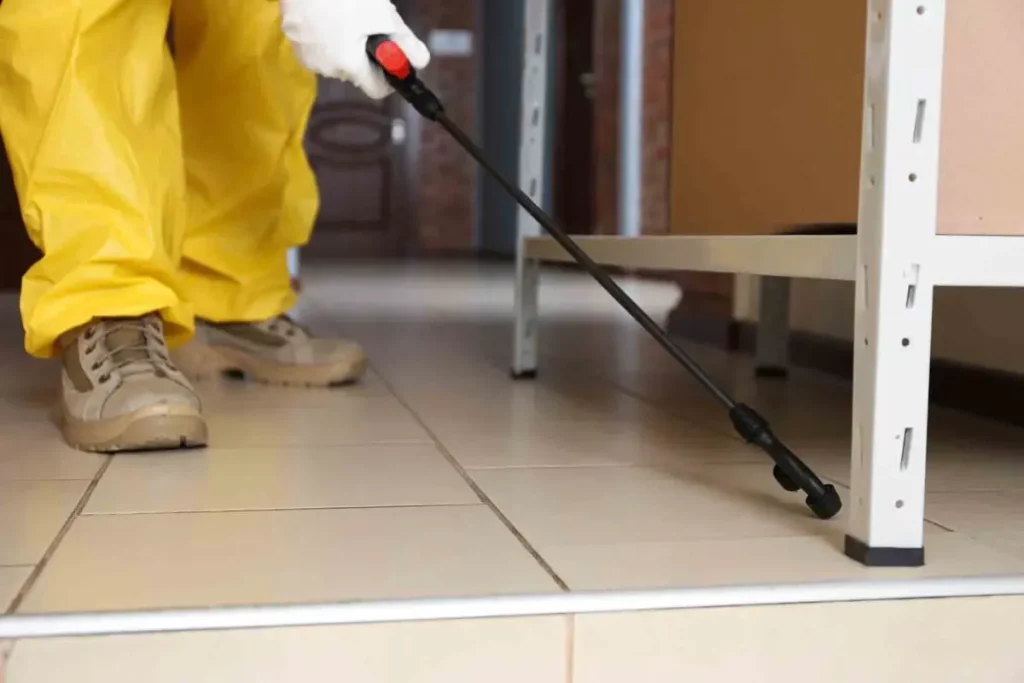
Termites are among the most destructive pests that can invade a residential or commercial property. Unlike visible pest problems that are quickly noticed, termite activity often develops quietly behind walls, beneath flooring, and inside crawl spaces. By the time many owners recognize the warning signs, the damage may already be extensive.
For this reason, professional termite control services play a major role in protecting structures from long-term deterioration. Early detection allows specialists to identify colonies before they compromise wooden supports, framing systems, and other essential structural components.
In areas with fluctuating humidity levels and seasonal temperature changes, termite infestations can become especially aggressive if left untreated.
Why Termites Cause So Much Damage
Termites survive by consuming cellulose-based materials, primarily wood and paper products. As colonies expand, they continuously tunnel through wooden structures in search of food and moisture. This process weakens support beams, flooring systems, and wall interiors over time.
One of the biggest challenges with termite infestations is that damage usually occurs gradually and silently. Many property owners mistake early symptoms for normal aging or minor cosmetic issues.
Common areas termites attack include:
- Wooden foundations
- Crawl spaces
- Decks and porches
- Basement framing
- Window and door frames
- Roof supports
- Wood fencing
Without immediate intervention, repair costs can quickly escalate into thousands of dollars.
Common Warning Signs of Termite ActivityMud Tubes Around the Foundation
Subterranean termites frequently build mud tubes along foundations and exterior walls to maintain moisture while traveling between their colony and food source.
These small tunnel-like structures are often one of the earliest visible signs of infestation.
Hollow or Damaged Wood
Wood that sounds hollow when tapped may indicate internal termite feeding activity. In many cases, the outer surface appears intact while the inside has already been weakened.
Discarded Wings Near Windows
Swarming termites often shed their wings near windows, doors, or light sources after finding a new nesting location.
Large numbers of discarded wings should never be ignored.
Bubbling Paint or Uneven Surfaces
Moisture created by termite activity can cause paint to bubble or surfaces to appear warped. This is commonly mistaken for water damage.
The Financial Impact of Delayed Detection
Many homeowners underestimate how quickly termites can compromise a structure. Small infestations can grow into major colonies capable of damaging critical support systems throughout a property.
Delaying professional inspections may lead to:
- Expensive structural repairs
- Unsafe living conditions
- Reduced property value
- Moisture complications
- Damage to insulation and drywall
- Increased restoration costs
Insurance policies frequently exclude termite-related damage because infestations are considered preventable through regular maintenance and inspections.
Early action is often the difference between a manageable treatment plan and a full-scale reconstruction project.
Why Professional Inspections MatterThorough Property Evaluation
Licensed technicians understand where termites hide and how to identify subtle signs of activity. A professional inspection includes an assessment of:
- Crawl spaces
- Basements
- Exterior foundations
- Wooden framing
- Moisture-prone areas
- Entry points around the structure
This level of evaluation is difficult to achieve with DIY methods.
Identification of the Termite Species
Different termite species require different treatment approaches. Subterranean termites, drywood termites, and dampwood termites each behave differently and may require customized strategies.
Professionals use advanced inspection techniques to determine the exact source and severity of the infestation.
Long-Term Prevention Planning
In addition to eliminating active colonies, experts also focus on prevention. This may include:
- Moisture reduction recommendations
- Soil treatment applications
- Wood protection strategies
- Sealing structural gaps
- Monitoring systems
Reliable termite control services are designed to address both current infestations and future risks.
Modern Treatment Methods Used by ProfessionalsLiquid Barrier Treatments
Liquid soil treatments create a protective barrier around the foundation of the property. These solutions help stop termites before they enter the structure.
Baiting Systems
Bait stations target the colony itself by using slow-acting materials that worker termites carry back to the nest. Over time, the entire colony can be eliminated.
Direct Wood Treatments
Localized wood treatments are often used in areas where termite activity is concentrated. Specialized foams and applications penetrate damaged materials to eliminate hidden insects.
Eco-Friendly Solutions
Many pest management companies now offer environmentally responsible options that prioritize safety for residents, pets, and surrounding ecosystems.
Modern treatment technologies focus on precision and long-term effectiveness rather than excessive chemical use.
How Property Owners Can Reduce the Risk of Infestation
Preventive maintenance plays an important role in termite protection.
Property owners should consider the following practices:
Reduce Excess Moisture
Termites are attracted to damp environments. Fixing leaks and improving ventilation can reduce favorable conditions for infestation.
Keep Wood Away From Soil
Wood-to-soil contact increases vulnerability. Deck posts, siding, and fencing should remain properly separated from the ground whenever possible.
Schedule Routine Inspections
Annual inspections help identify problems before severe structural damage develops.
Remove Organic Debris
Tree stumps, firewood piles, cardboard, and decaying wood near the property can attract termites and other pests.
Monitor Crawl Spaces
Poorly maintained crawl spaces often create ideal environments for wood-destroying insects due to humidity and limited airflow.
Why Local Experience Matters in Pest Management
Regional climate conditions greatly influence termite behavior. Pest professionals familiar with local environmental conditions are often better equipped to recognize seasonal activity patterns and implement targeted treatment solutions.
Experienced providers understand how soil composition, moisture levels, and urban construction styles contribute to infestation risks.
Companies that specialize in termite control services also stay current with EPA-approved methods, state regulations, and evolving pest management technologies to ensure safe and effective treatments.
The Importance of Acting Quickly
Termite infestations rarely resolve on their own. Colonies continue expanding as long as food and moisture remain available.
The earlier a property owner responds to warning signs, the easier it becomes to control the infestation and avoid large-scale restoration costs. Routine inspections, preventive maintenance, and professional treatment plans remain some of the most effective ways to protect both residential and commercial properties from costly termite damage.