

There is something to be said for the way Italians mark the end of a workday. It is not just about winding down – it is a deliberate transition into a different mode of living, one shaped by culture, community, and an enduring sense of pleasure in the small things. In 2025, that transition looks both familiar and quietly different from what it was even five years ago.
The evening, for many Italians, still begins with the aperitivo hour. This ritual – a drink, something to eat, conversation with friends or colleagues – acts as a buffer between the professional and the personal. What has changed is the setting and the expectation. A growing number of people now prefer hosting aperitivo at home rather than at a crowded bar, curating their own boards of local cheeses, cured meats, and seasonal produce. Platforms and services tailored to Italian food culture, such as sankra, have grown in relevance as consumers look for quality ingredients and regional specialties that feel genuinely Italian rather than supermarket-generic. The shift toward home-based entertaining is not about avoiding social life – it is about controlling the quality of it.
The Living Room as the New Evening Destination
Italian homes have always been taken seriously as spaces. But in recent years, that seriousness has extended into how evenings are structured inside them. People invest in their living spaces not just aesthetically but experientially – good speakers, comfortable seating arranged for conversation, kitchens designed for collaborative cooking rather than efficient solo use.
Streaming, Watching, and What Italians Are Actually Choosing
Streaming has settled into Italian evenings in a way that feels less like consumption and more like curation. Viewers here are notably selective. Italian-language series, documentaries about regional history, food travel content, and crime dramas with strong local atmosphere consistently outperform global algorithmic recommendations. The appetite for content connected to place – to specific cities, landscapes, and dialects – reflects something broader about how Italians relate to cultural identity.
Sports broadcasts remain a fixture, particularly football. But the communal viewing experience has migrated somewhat from bars back into homes, with friends gathering around a screen the same way they might have once gathered around a table. The two often happen simultaneously.
Cooking as Evening Activity, Not Just Necessity
One of the more significant shifts of the past few years is that cooking has become entertainment in itself for a large segment of Italian adults. This is not about following recipes – it is about treating the kitchen as a creative space. Weeknight dinners take longer. More effort goes into sourcing. Regional dishes that previous generations made instinctively are being relearned with genuine curiosity.
| Evening Activity | Popularity Trend (2025) | Primary Setting |
| Home aperitivo | Rising | Living room / kitchen |
| Streaming content | Stable / high | Home |
| Outdoor walks (passeggiata) | Stable | Neighborhoods, piazzas |
| Home cooking as hobby | Rising | Kitchen |
| Gym / fitness classes | Rising | Dedicated studios |
| Board games / social games | Rising | Home, small venues |
| Bar socializing | Slightly declining | City centers |
The Return of Physical Socializing – On Smaller Terms
Post-pandemic habits have not simply reversed. Italians in 2025 tend to socialize in smaller groups more frequently rather than in large gatherings occasionally. Dinner for four at someone’s home has replaced dinner for twelve at a restaurant for many age groups. This suits the Italian temperament – quality of conversation matters more than scale of event. Board games, trivia nights, and card games have experienced a quiet but genuine revival, particularly among adults in their thirties and forties. These activities are social, low-cost, and screen-free in a way that feels intentional rather than retro.
Fitness and Movement After Hours
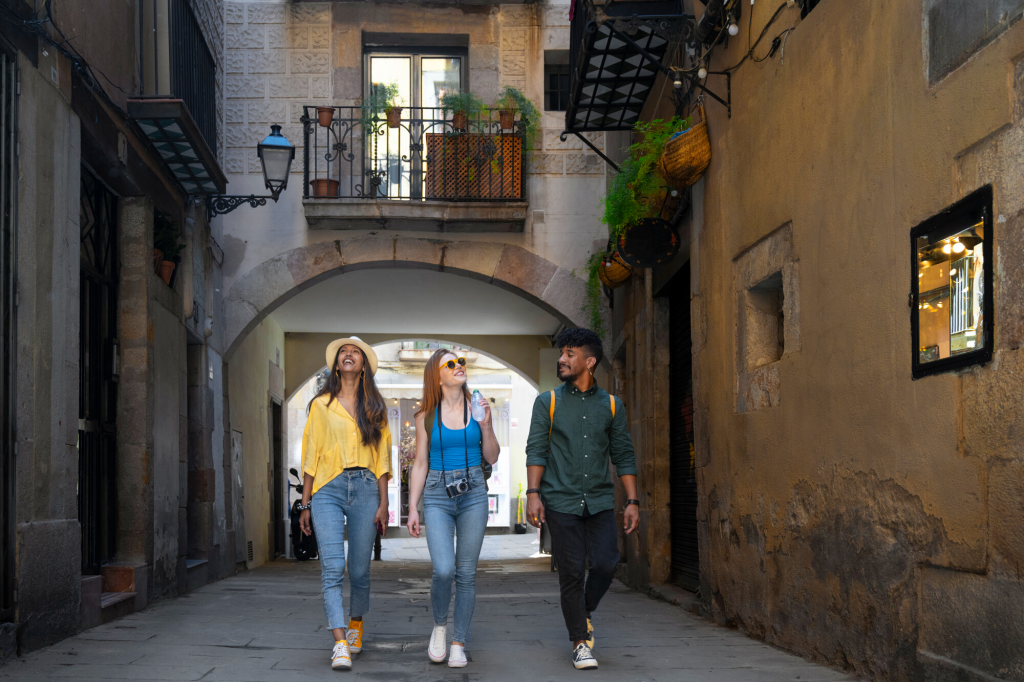
Evening gym visits, yoga classes, and long walks have become more embedded in the Italian after-work rhythm. The passeggiata – the traditional evening stroll – never disappeared, but it has been joined by more structured physical routines. Boutique fitness studios in mid-sized cities have grown substantially, offering evening slots that fill quickly.
What the Shift Toward Evening Wellness Reflects
This is partly a response to sedentary work habits and longer screen hours, but it is also cultural. There is a growing sense that the evening should include at least one activity that is genuinely physical – something that involves the body rather than the couch. For younger Italians especially, fitness is social as much as it is personal.
A Quieter Kind of Evening Culture
What stands out about evening entertainment in Italy in 2025 is its deliberateness. Whether the choice is a slow-cooked dinner, an aperitivo with good wine, a film in the original language, or a walk through familiar streets, there is intention behind it. The evening is not treated as leftover time. It is treated as the point. That philosophy – of giving the evening its proper weight – may be one of the more practical things Italian culture has always had to offer the rest of the world.