

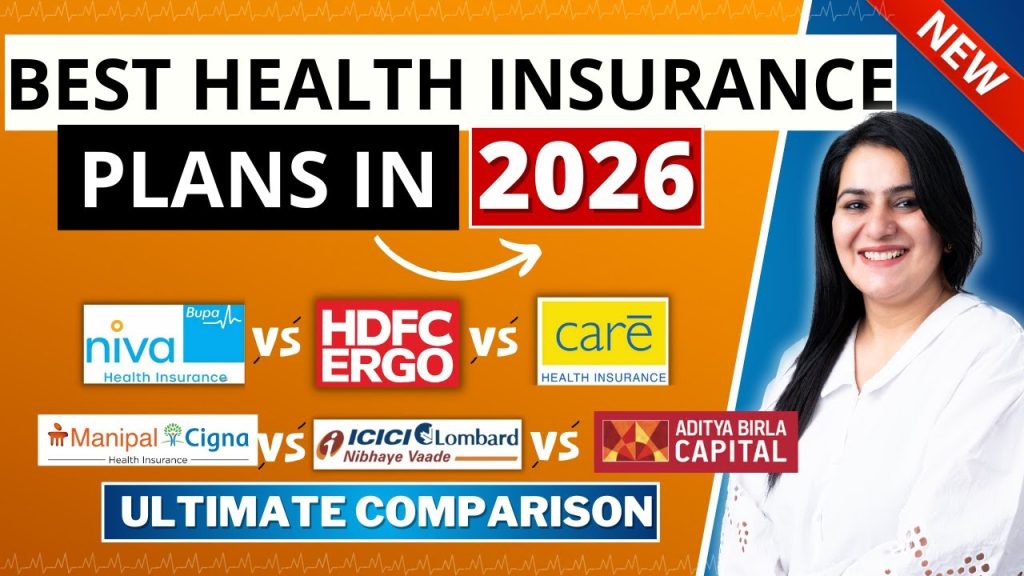
With medical inflation nearing around 14% per annum and the rising incidence of lifestyle diseases, having a reliable health policy has become the need of the hour. Choosing the best health insurance plan in 2026 can offer you financial protection and peace of mind during a health emergency.
Understanding the policy features, coverage, and exclusions will help you make an informed choice. Continue reading to understand the benefits and how you can choose the best plan to protect your health and finances!
Knowing what makes the Best Health Insurance plan for your situation can save you money, avoid coverage gaps, and give you genuine peace of mind. The Best Health Insurance plan is not the cheapest — it is the one that covers your most likely health risks, offers cashless access at hospitals near you, and settles claims fairly and quickly. Star Health is widely recognised for offering the Best Health Insurance options in India, combining a high claim settlement ratio, a network of over 14,000 empanelled hospitals, and a wide product range from basic individual plans to comprehensive family floater and senior citizen policies. When shopping for the Best Health Insurance, prioritise coverage breadth, waiting period terms, renewal flexibility, and any no-claim bonus structures — Star Health scores well across all of these criteria.
Key Features to Compare Before Buying a Health Insurance Plan
There are some common features that you must compare while analysing different plans to pick the best policy for your healthcare needs:
Waiting Periods
If you have any pre-existing health conditions before the purchase of the policy, insurers usually don’t cover them from day 1. There are waiting periods ranging from 2 to 4 years for these ailments that insurers won’t cover during this period. Therefore, you should opt for health plans with shorter waiting periods for any pre-existing diseases.
Pre and Post Hospitalisation Cover
The expenses incurred before hospitalisation are referred to as pre-hospitalisation expenses, while the expenses incurred after hospitalisation to ensure proper recovery are called post-hospitalisation expenses. Insurers generally cover 30 days of pre-hospitalisation and 60 days of post-hospitalisation expenses. Hence, you should choose health plans which will cover you for the maximum number of days of the pre- and post hospitalisation period.
Co-payment Clause
This clause mandates the policyholder to bear a percentage of the claim, and then the rest is borne by the insurance provider. While this reduces your premium amount, it can increase your upfront costs during a medical emergency. So, you should choose a policy with low or zero co-payment to reduce financial burden and focus on recovery.
Sub-limits
It refers to the maximum limit of expenses that your insurer will pay at the time of claim settlement. For instance, usually, policies have a sub-limit on room rent, which is between 1-2% of the sum insured amount.
In that case, if your daily room rent exceeds your sub-limit set by the insurer, you will have to bear the additional amount. You should consider policies with no sub-limits to reduce out-of-pocket costs.
No Claim Bonus
Most insurance providers offer a no-claim bonus when no claims are filed by the policyholder in the previous year. It helps to reduce health insurance premiums or increase the sum insured amount in the next renewal of the policy. Hence, you should opt for a health policy which offers you the highest no-claim bonus.
Exclusions
Every health policy has some exclusions which the insurer doesn’t cover. Therefore, it’s essential to check all the exclusions before purchasing a policy to avoid any hassle during the claim process. This will ensure peace of mind during adverse situations.
Network Hospitals
Before buying any plan, you must check the list of network hospitals associated with the insurance provider. If the insurer has multiple network hospitals offering cashless treatment in your city, it will help you easily access quality healthcare during a medical emergency.
Tips to Choose the Best Health Insurance Plan in 2026
Choosing the best health insurance plan in 2026 requires a clear understanding of your healthcare requirements and policy features. Here are some tips to consider:
Opt for an Adequate Sum Insured
Due to the rising healthcare costs, it’s important to opt for an adequate sum insured to cover your medical expenses during an emergency. While a higher sum insured amount may result in a higher premium, it decreases the upfront costs during the claim process.
Consider a Super Top-up Option
If you’re on a budget, always opt for a super top-up option to enhance your coverage at times of need by paying a minimal amount. For instance, if you purchase a health policy with a sum insured amount of ₹10 lakhs, with a super top-up option, then you can easily enhance your coverage up to ₹50 lakhs, ₹1 Crore, or even ₹2 Crore by just paying a few thousand rupees.
Understand Policy Terms
It’s essential to check all the inclusions, exclusions, and other terms before purchasing any policy. Different plans have different terms and conditions, so you need to check if it covers your pre-existing illnesses, alternative treatment options and other procedures. Review the exclusions carefully to ensure a smooth claim process.
Consider Add-ons or Riders
Customise your health policy with add-ons or riders to ensure adequate coverage for your healthcare needs. For instance, you can get comprehensive coverage if you’re diagnosed with any critical illness by adding a critical illness rider to your basic health plan.
Check Claim Settlement Ratio
It represents the percentage of claims settled by the insurer in a year compared to the claims received. It’s advised to opt for an insurer with a claim settlement ratio of more than 90% to ensure a faster and smoother claim process during medical emergencies.
Avoid Plans with Stringent Sub-limits
If your health plan has strict sub-limits on several expenses, and in case those expenses exceed the sub-limit, then you will have to bear the difference in cost from your pocket. Avoid policies with strict sub-limits for room rent or ICU charges, as they will increase your hospitalisation expenses while dealing with any serious illnesses.
Review Co-payment, Deductibles, and Other Clauses
Co-payment clause mandates the policyholder to bear a percentage of the claim amount, and the rest is borne by the insurer. Deductibles mainly apply to super top-up plans, where the policyholder will have to exhaust the entire coverage amount in the base policy before encashing the sums covered in the super top-up policy. It’s important to be aware of these clauses before buying any plan to avoid any confusion during claim settlement.
Read Customer Feedback and Reviews
Remember to check real customer reviews and feedback before buying any policy. Read user reviews on general online forums to assess the credibility of the insurer in terms of claim settlement and prompt customer support.
Check For Premium Discounts or No-claim Bonus
Many policies reward you for not making claims by increasing your sum insured amount at no extra cost. Such a bonus may increase your coverage over time, but without raising your premium. Some insurers also offer premium discounts at renewal if you maintain your health. Check for these benefits while purchasing a health plan to reduce your expenses.
Review Renewability
The health risks can increase with age, and constant coverage is vital to protect you during adverse times. Select a policy with lifetime renewal to ensure that you are insured even in later years when healthcare needs are likely to be higher.
There is no single best health insurance plan for all. It depends on specific healthcare requirements and other factors, like age, geographical conditions, etc. Choosing the best health insurance in 2026 requires careful assessment of several factors, such as sum insured, treatment coverage, waiting period, co-payment clause, claim settlement ratio, and hospital network. Select a plan with shorter waiting periods, lower or no co-payment, lifetime renewability, and flexible sub-limits for a convenient claim process.
Your health coverage decisions should always be informed by your actual health data — and one of the most useful starting points is tracking your weight and fitness using a BMI Calculator for Men. A BMI Calculator for Men accounts for male-specific body composition benchmarks, providing a more accurate picture of whether you are underweight, healthy, overweight, or obese. Staying in a healthy BMI range reduces your risk of lifestyle diseases like diabetes, hypertension, and heart conditions — all of which affect both your health insurance premiums and long-term wellbeing. Star Health’s BMI Calculator for Men is free, easy to use, and takes just seconds to deliver your result. Understanding your BMI using the BMI Calculator for Men is a smart first step in choosing the right sum insured and identifying whether you need enhanced coverage for weight-related health risks.