

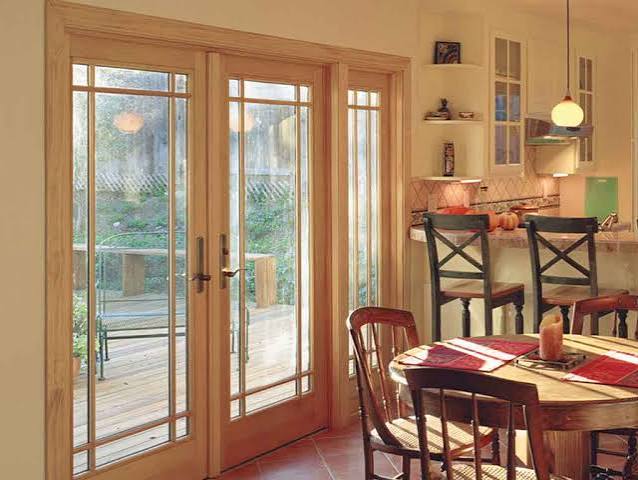
An interior French door does something no other door type can: it divides two spaces without disconnecting them. The glass panels allow light to pass between rooms, keep sightlines open, and make both sides of the door feel larger — all while still providing the physical separation and acoustic buffer that a fully open doorway cannot.
That versatility is why French doors work in so many different locations inside a home. But some placements consistently outperform others in terms of function, design impact, and day-to-day practicality. Below are the top five places where an interior French door delivers the most value — and what to consider before installing one in each spot.
1. Living Room to Dining Room
This is the most classic application for an interior French door in residential design, and for good reason. The living-to-dining transition is one of the most trafficked connections in any home — used multiple times a day for everyday meals, and thrown fully open for gatherings and entertaining.
A double French door between these two spaces handles both scenarios well. When closed, it defines each room as a distinct space with its own atmosphere — quieter dining, livelier living room — while the glass panels keep both areas feeling connected and allow natural light from windows on either side to reach deeper into the home. When open, the full width of the doorway creates a seamless flow between the two rooms that a solid door simply cannot replicate.
From a proportions standpoint, a combined door width of 60 to 72 inches suits most living-to-dining openings. This is wide enough to feel architectural and intentional, but not so large that it overwhelms standard ceiling heights.
What to consider: Swing direction matters here more than in most locations. In a busy household, inswing doors into a dining room can interfere with chairs pulled away from the table. Outswing into the living room avoids that problem but requires clear floor space on the living room side. Measure both sides of the opening before deciding on swing direction.
2. Home Office
The home office may be the single most functional application for an interior French door. It addresses a specific and common problem: the need for acoustic separation during calls and focused work, without the psychological and visual isolation that a solid door creates.
A French door on a home office lets the occupant close the door for concentration or privacy while the glass panels maintain a visual connection to the rest of the home. This matters more than it sounds. A solid door on a home office makes the room feel cut off — which works for some people but creates a sense of isolation that affects comfort and productivity for others. A French door eliminates that trade-off.
There is also a practical household benefit: the glass panels signal to others in the home whether the office is occupied and the door is closed for a reason, without requiring anyone to knock and interrupt. This small daily friction reduction is genuinely useful in homes where remote work is routine.
A single French door works for most home office openings. Double doors are appropriate when the opening is wide enough and when the office serves secondary functions — client meetings, shared workspaces — where a wider entry is useful. If you’re not sure which configuration suits your space,Doors and Beyond can help you navigate the options across both single and double formats.
What to consider: If privacy from the glass panels is a concern, frosted or reeded glass is a straightforward solution. It diffuses the view through the door while still allowing light to pass. This is particularly relevant for offices where a screen is visible through the door, or where video calls are frequent.
3. Primary Bedroom Entry
A double interior French door on a primary bedroom entry creates a sense of arrival that no other interior door configuration matches. The wider opening, the symmetrical two-panel format, and the glass detail all signal that the room beyond is the main bedroom — which is exactly the architectural effect most homeowners want at that threshold.
Beyond the design impact, the practical benefits apply here too. Natural light from bedroom windows reaches the hallway when the doors are closed, making the corridor feel less enclosed. The glass panels also allow a quick visual check into the room without opening the door — useful in households with young children, or for anyone who has ever walked into a dark bedroom only to find someone already sleeping.
For secondary bedrooms, a single French door is the more appropriate configuration. The opening width typically doesn’t support a double door, and the single panel delivers the same light-transfer and design benefits at a smaller scale.
What to consider: For bedrooms, privacy from the glass is a more common concern than in living areas. Frosted glass is the most common solution and is available across most French door product lines. Curtain panels hung on a rod above the door frame are another option — they can be drawn when privacy is needed and left open to allow light flow the rest of the time.
4. Living Room or Bedroom to a Reading Nook or Sunroom
Not every French door installation involves a standard doorway opening. One of the more rewarding applications is using a French door to connect a primary living space to an adjacent smaller room — a reading nook, a sunroom, a sitting area, or a conservatory.
In this context, the French door functions as much as a window as it does a door. When closed, it frames the view into the smaller space and draws the eye toward it. When open, it extends the usable area of the primary room into the adjacent one. The glass-heavy construction of a French door is particularly effective here because it allows the smaller space to visually expand into the larger room rather than feeling like a separate, enclosed area.
This placement also works especially well where the adjacent room has better natural light — a south-facing sunroom, for example. The French door acts as a light conduit, pulling daylight from the brighter space into the darker one even when the door is closed.
What to consider: In sunrooms or rooms with strong direct light, clear glass can create glare. Lightly tinted or low-e glass options reduce glare and solar heat gain without losing the visual connection the French door provides.
5. Kitchen to Pantry or Utility Room
A French door on a kitchen pantry is one of the more underutilized applications, but one of the most practical. The glass panels allow a quick visual inventory of pantry contents without opening the door — you can see at a glance whether you’re out of something before starting a recipe, without having to step inside.
The same logic applies to a utility room or laundry room accessed from the kitchen. These are spaces that see frequent, quick-access use throughout the day. A French door keeps the space visually connected to the kitchen, allows light from the kitchen to reach the utility room, and avoids the closed-off, forgotten-corner feeling that a solid door on a utility space creates.
For pantry and utility room applications, a single French door is almost always the right configuration. These spaces typically have standard single-door openings, and the function of a pantry or utility room doesn’t require the wide entry that a double door provides.
What to consider: For pantries, consider whether the contents on display bother you. Open shelving and pantry interiors look fine through clear glass in an organized kitchen, but if the pantry tends toward clutter, frosted glass gives you the light and the visual signal of the door’s location without putting the contents on display.
How to Decide Which Location to Prioritize
If you’re considering more than one of these placements, four factors help narrow it down:
Traffic level. High-traffic connections — living room to dining room, kitchen to pantry — benefit most from French doors because they’re used constantly. The light flow and visual openness pay off every day, not just occasionally.
Privacy need. Bedrooms and home offices have higher privacy requirements than living areas. Frosted or reeded glass handles this without sacrificing the light-transfer benefit, but it’s worth deciding upfront rather than retrofitting later.
Light priority. Identify which rooms in your home are naturally darker and which have better natural light. Installing a French door between them — even just one — can meaningfully improve how both spaces feel throughout the day.
Door swing constraints. Measure both sides of the opening before committing to a configuration. Inswing doors into dining rooms or small offices can interfere with furniture; outswing doors need clear floor space on the other side. This is easier to plan before purchase than to correct after installation.
Choosing the Right Door for Each Location
The five placements above cover the most common and most successful applications for interior French doors in residential homes. Each has its own configuration, glass type, and swing direction considerations — but the underlying logic is the same across all of them: a French door works best where you want physical separation without visual disconnection.
If you’re exploring options for any of these locations, browse the full range of single and double interior French doors across standard and custom sizes, with clear, frosted, and tinted glass options to suit each application. Reviewing the full collection is a practical starting point for matching the right door to each specific opening in your home.