
Fireplaces create an undeniable warmth in a property, but they rely on an engine built from heavy masonry, flue tiles, and intense heat dynamics. When a venting system works correctly, hot gases and combustion byproducts safely exit past your roofline. When something goes wrong inside that hidden vertical shaft, the risks jump from minor cosmetic issues to structural house fires and deadly carbon monoxide spillovers. Choosing someone to inspect or rebuild this system requires far more diligence than hiring a painter or handyman.
The hearth industry attracts its fair share of unverified operators who promise fast, budget-friendly fixes. These individuals often rely on basic superficial cleaning while ignoring structural cracks, damaged flue liners, and improper clearances to combustibles. Learning how to separate qualified hearth professionals from undertrained door-to-door opportunists protects your family, property value, and peace of mind.
Verifying Industry Certifications and Technical Credentials
A state contractor license proves a business pays taxes and holds a business registration, but it tells you very little about their technical understanding of venting physics. True expertise in this field comes from dedicated industry education. Organizations like the Chimney Safety Institute of America and the National Fireplace Institute run rigorous training programs covering international residential building codes, fuel-specific venting requirements, and material sciences.
When evaluating a technician, ask directly about their specific personal credentials. A credentialed professional carries verifiable credentials proving they understand how different fuels behave, how draft dynamics function, and how chimney fires degrade structural masonry. Unqualified workers typically offer vague assurances about years of general experience without holding a single recognized credential in venting system safety.
Demanding Specialized Video Inspection Equipment
An untrained worker relies on a quick visual glance up the firebox with a standard flashlight before calling the job complete. Unfortunately, a human eye looking up from the hearth cannot spot hairline fractures in a clay flue tile ten feet above, nor can it detect missing mortar joints buried inside a dark offset bend.
Qualified technicians invest in specialized closed-circuit camera systems designed specifically for flue evaluation. These flexible camera probes travel the entire height of the flue, sending high-definition video back to a screen at the hearth. This technology reveals third-degree creosote buildup, spalling terra cotta tiles, and dangerous gaps between liner sections that would otherwise remain hidden behind brickwork. If an operator shows up without camera gear, they are taking guesses with your safety.
Assessing Comprehensive Insurance and Safety Standards
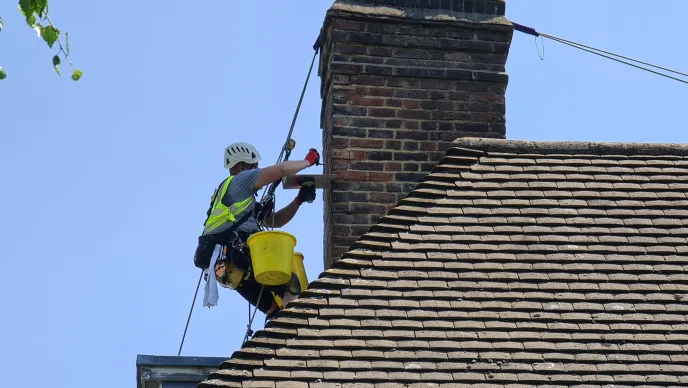
Working on a steep roof pitch while handling heavy tools, masonry materials, and soot dust carries real physical risks. A legitimate business carries substantial commercial general liability insurance along with dedicated workers compensation coverage for every crew member on site.
Unqualified workers often skip these essential insurance protections to undercut fair market prices. If an uninsured worker falls from your roof or drops a heavy stone cap through a skylight, you as the property owner could be held financially liable for injuries and property damages. Always request a direct certificate of insurance listing you as a certificate holder before allowing anyone to step onto your roof or tear into your brickwork.
Spotting the Red Flags of Unqualified Operators
Unqualified operators share recognizable patterns that wise property owners can spot early. The classic sign is an unsolicited knock at your door or a cheap coupon in the mail offering a ridiculously low flat-rate sweeping service. Once these workers get a foot inside your door, they suddenly discover urgent, terrifying structural emergencies that allegedly require thousands of dollars in immediate cash repairs.
Another common warning sign is a refusal to provide detailed written proposals or diagnostic evaluation reports. Expert technicians document their findings clearly, providing detailed photos, code references, and itemized repair estimates. If someone presses you for immediate payment on a verbal estimate without showing clear evidence of the defect, politely send them on their way and seek a qualified second opinion.
Understanding Industry Diagnostic Standards
Standard evaluation practices follow strict protocols defined by the National Fire Protection Association. Known as NFPA 211, these standards divide chimney evaluations into distinct levels depending on your situation. A Level 1 evaluation covers a routine annual checkup of a system that has not changed and appears to be functioning normally.
Level 2 evaluations are required whenever you sell a property, make fuel conversions, or suspect system damage from a chimney fire or severe weather event. This second tier involves a full video scan of the internal flue surfaces and attic clearances. Level 3 evaluations involve partial demolition of exterior structures to expose hidden structural framing when severe hazards are suspected. Qualified professionals know these protocols inside and out, while unqualified workers rarely know NFPA guidelines exist.
Securing Your Investment with Proven Expertise
Your chimney system is a complex heat-producing appliance that demands precise engineering, strict code compliance, and meticulous installation techniques. Cutting corners on maintenance or hiring unverified workers creates severe fire hazards and leads to premature structural degradation that costs far more to repair down the road. By verifying certifications, insisting on camera inspections, checking insurance policies, and knowing NFPA evaluation standards, you keep your hearth safe and operating efficiently for years to come.
Understanding who handles your home maintenance is just as critical as the work itself. To learn more about our commitment to industry standards, experienced technicians, and safety protocols, check outWho are we? to see how a dedicated team of certified professionals keeps your hearth operating at its absolute best.