

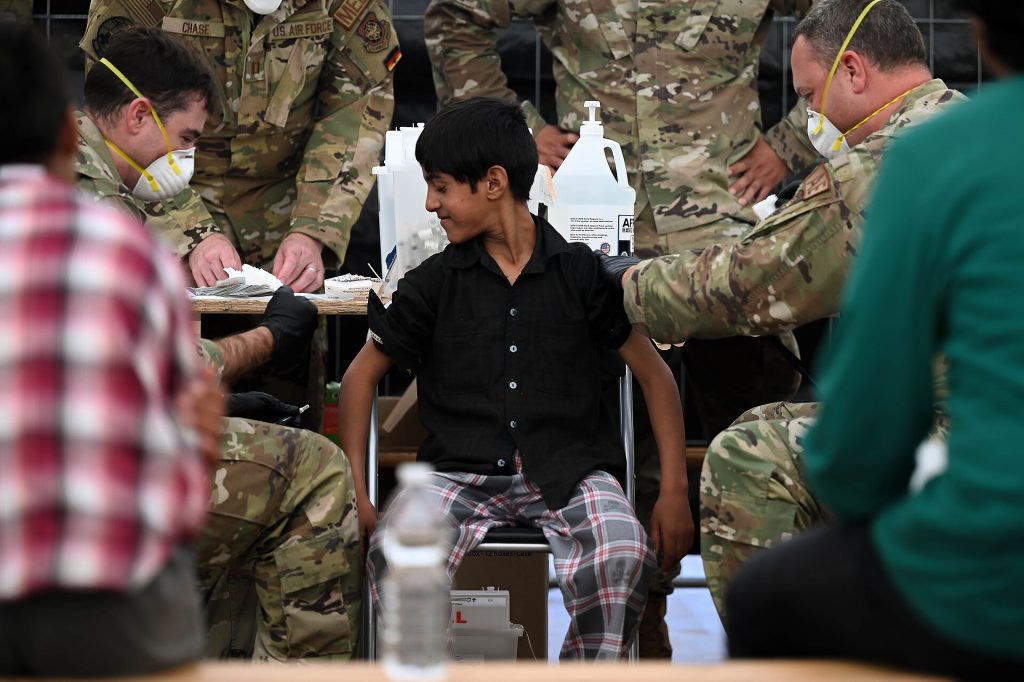
When a health story lands in the family group chat, what a household needs is steadiness: clear facts, clear actions and no scare tactics. US measles cases have risen by 8 percent in one week to 4,410. This household guide explains, in plain order, what is driving the rise, which symptoms to look out for at home and what the current vaccination guidance means for children, parents and grandparents. Measles deserves respect, vaccination deserves checking, and neither deserves panic. Here is the proportionate version of the story for life around the kitchen table.
Why the number went up this week
The rise is concentrated where vaccination coverage is lowest. Measles spreads through the air with unusual ease, so when the virus arrives, often via travel, in a community where many children have missed their jabs, it finds its way from household to household quickly. Health officials counting cases then record a sharp weekly jump as those linked cases are confirmed. The virus itself has not become stronger or stranger. What has changed, in the affected places, is the level of protection around it. That is, in an odd way, reassuring news: the cause is known, and the remedy is the same one that has worked for decades.
Spotting it at home
Measles tends to start with a high temperature, a cough, a runny nose and sore, red eyes, a child who looks properly unwell rather than merely sniffly. Small white spots inside the cheeks can appear, and after a few days a blotchy red rash usually starts on the face and spreads. If that pattern appears, especially after travel or contact with a known case, ring your doctor or local service before going in, so they can see you safely. We take the same calm, checkable approach in our other explainers, including how astronomers verified Saturn and its growing family of moons: big numbers, handled carefully, step by step.
Grandparents and extended family often feature in household health decisions, and this story has a specific angle for them. Adults who had measles as children are generally considered immune, while those vaccinated in the early years of the programme, or unsure of their history, may benefit from a conversation with their own doctor, particularly if they spend time with newborn grandchildren or relatives undergoing treatment that weakens immunity. Travel plans are the other household trigger worth a mention: a family holiday to a region with active measles transmission is a standard reason clinics give for checking everyone records in advance, and for bringing babies first dose forward where official guidance allows. These are conversations for the kitchen table and the clinic, not for worry. Framed that way, the week news becomes a useful prompt rather than a scare: one records check, one or two catch up appointments if needed, and the household has done everything the evidence asks of it. Families who build that habit, reviewing vaccination alongside passports before trips and school forms each autumn, rarely need to think about weeks like this one at all.
The jab check every household can do tonight
Find ten minutes to check MMR records for everyone at home: children’s health records, school files, patient apps or a quick call to the clinic. Two doses of MMR protect about 97 percent of people against measles, and catch-up doses for children, teenagers and adults are a routine request that clinics handle every week. The official detail, including advice after a possible exposure, lives on the CDC measles pages. Babies too young for the vaccine and relatives with weakened immune systems rely on the rest of the household and community being protected, which makes that ten-minute check a genuinely caring act, not just paperwork.
A steady closing note
Totals like 4,410 will move again next week, up if clusters grow, down as they are contained. Households cannot control the national curve, but they can control the things this guide lists: knowing the symptoms, knowing the family’s vaccine status and knowing to phone ahead if illness appears. That is the steady middle ground between ignoring a rising number and fearing it. Measles is a serious illness with an excellent vaccine; holding both facts at once is exactly the spirit in which officials are asking families to respond, and it is achievable in any home, starting with a records check tonight.