

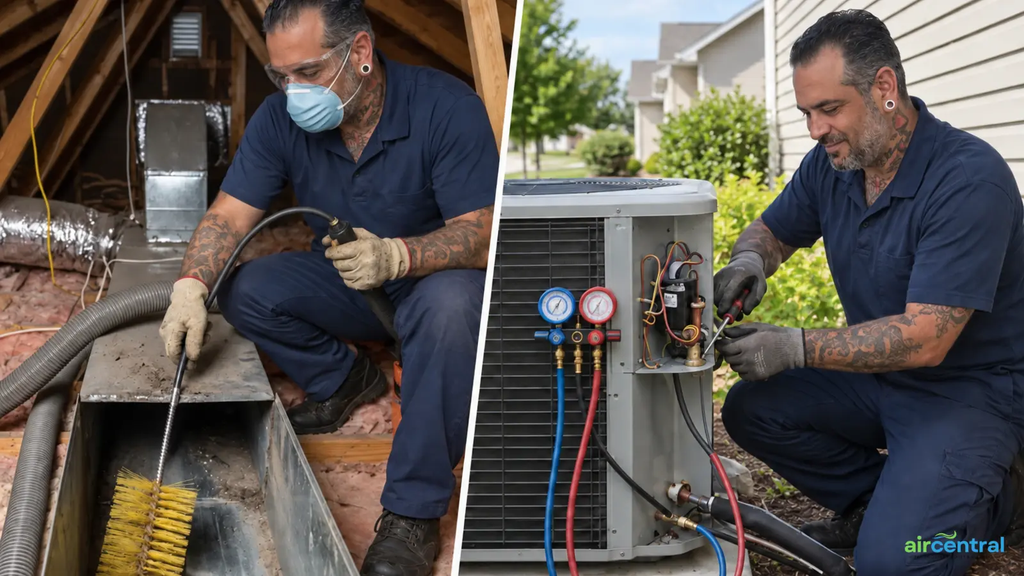
Maintaining a healthy indoor environment in Central Texas requires vigilance, especially given the region’s intense cedar seasons and relentless summer heat. For homeowners seeking professional guidance and proven service standards, visiting https://austinductcleaning.us/ provides direct access to industry-grade HVAC hygiene solutions. Investing in specialized Austin air duct cleaning ensures that the air recirculating through your living spaces remains free from volatile organic compounds, biological contaminants, and settled particulates. Over time, unseen buildup inside ventilation infrastructure degrades system efficiency, accelerates mechanical wear, and compromises respiratory wellness across the household.
Why Indoor Air Quality Demands Austin Air Duct Cleaning
Central Texas presents a unique set of meteorological and environmental challenges. Austin residents face distinct microclimates, prolonged periods of elevated humidity, and aggressive native allergens that place heavy burdens on forced-air systems.
The Central Texas Allergen Burden
Austin ranks among the country’s most notorious hotspots for seasonal airborne irritants. From winter Mountain Cedar (Juniperus ashei) to spring oak and autumn ragweed, fine particulates continuously penetrate residential envelopes:
- Pollen Accumulation: Fine microspores bypass standard pleated return filters, settling inside flex-duct ribs.
- Persistent Moisture Cycling: High dew points throughout Central Texas summers encourage internal condensation when ductwork spans unconditioned attic spaces.
- Microbial Proliferation: Moisture interacting with trapped organic dust creates optimal breeding grounds for mold, mildew, and fungal colonies.
Attic Heat Dynamics and Duct Infiltration
Most Austin residences utilize flexible ductwork routed through unconditioned attics where summer temperatures regularly exceed 130°F. When duct seals degrade, negative pressure draws insulation fibers, pest residue, and superfine attic particulates straight into the supply plenum, distributing them directly into bedrooms and living areas.
Technical Indicators: When Your System Needs Remediation
Recognizing systemic contamination early prevents expensive equipment failure and preserves ambient respiratory safety. Routine visual and sensory indicators reveal when duct systems require professional remediation.
Observable Warning Signals
Inspect your registers and daily living spaces for these standard warning signs:
- Dark Streaking Around Supply Registers: Ghosting or carbon tracking around vents indicates fine particulate discharge and supply leakage.
- Persistent Musty Odors on Startup: A sharp, damp smell upon system startup confirms active biological growth on cooling coils or within the supply boot insulation.
- Uneven Temperature Distribution: Blocked returns or severely fouled interior runs disrupt designed airflow CFM (cubic feet per minute), creating persistent hot rooms.
- Accelerated Dust Deposition: Furniture surfaces gathering visible grit within 48 hours of deep cleaning point to internal duct contamination.
Key Takeaway: If visible debris emerges when vents open, or if your air filter collapses inwards due to excessive static pressure, schedule a professional internal inspection immediately.
The Professional Decontamination Standard: Step-by-Step
Effective duct restoration requires equipment and protocols that far exceed what retail vacuums or basic sweeps can provide. Legitimate remediation follows National Air Duct Cleaners Association (NADCA) procedures to guarantee complete particulate capture without cross-contaminating your home.
Step 1: Baseline Static Pressure Testing and Inspection
Certified technicians begin with a physical and video borescope inspection of supply runs, return drops, and internal plenums. Static pressure probes gauge the system’s baseline airflow restrictions to benchmark post-service improvements.
Step 2: Negative Air Containment Setup
Technicians connect a high-powered, HEPA-filtered vacuum collection system directly to the main trunk line. This massive negative-pressure engine pulls several thousand CFM, ensuring that dislodged debris cannot escape into ambient living quarters.
Step 3: Agitation and Debris Extraction
High-velocity pneumatic whips, rotary nylon brush assemblies, and forward-sweeping air nozzles run through every individual run:
- Targeted Mechanical Agitation: Rotating heads strip adhered dust layers from rigid sheet metal and flexible duct walls.
- Continuous Directional Pull: The constant vacuum draws all liberated particulates straight to exterior or contained HEPA filters.
- Register Boot Scrubbing: Every register grille is removed, hand-washed, and treated to remove surface grease and buildup.
Step 4: Component Cleansing and Optional Sanitization
Technicians clean the evaporator coil faces, blower motor assembly, and condensate pan. If testing confirms biological contaminants, an EPA-registered, botanical-based antimicrobial mist is applied to neutralize remaining spores without off-gassing harmful chemicals.
Tangible Benefits: Energy Efficiency and Health Gains
Undergoing thorough duct restoration yields concrete returns in utility savings, equipment longevity, and daily comfort.
| Metric | Before Professional Service | After Full Duct Remediation |
| Airflow Restriction | Elevated static pressure, lower CFM delivery | Balanced velocity, optimal design CFM |
| Cooling Run Cycles | Extended cycles, higher electrical draw | Rapid temperature pull-down, shorter cycles |
| Particulate Count | High ambient PM2.5 and allergen presence | Drastically reduced floating dust burden |
| System Lifespan | Premature motor burn and clogged coils | Reduced operational load, longer compressor life |
Measurable Energy Savings
Restoring free, laminar airflow across heat-exchange coils drastically reduces the runtime needed to satisfy your thermostat. Clean air pathways allow modern variable-speed and multi-stage compressors to run at lower, energy-efficient operational speeds.
Respiratory and Allergy Relief
Removing pounds of trapped biological matter and seasonal pollen relieves chronic morning congestion, throat irritation, and sinus pressure. Clean duct systems establish a stable, hypoallergenic baseline that significantly eases the burden on everyday residential HEPA purifiers.
Selecting a Qualified Service Provider
The air duct restoration industry includes budget contractors using underpowered shop vacs that worsen air quality by exhausting agitated dust straight into your home. Protecting your HVAC asset requires verifying proper technical credentials before signing a work order.
Critical Verification Checklist
Always demand documentation verifying:
- NADCA Certification: Confirms adherence to standard ACR (Assessment, Cleaning, and Restoration) specifications.
- Comprehensive General Liability Insurance: Full coverage tailored specifically to HVAC infrastructure.
- Dedicated Extraction Equipment: Truck-mounted or heavy-duty commercial portable containment vacuums equipped with true multi-stage HEPA filtration.
- Written Visual Guarantees: Clear before-and-after photographic evidence documenting the interior walls of your supply and return plenums.
Sustaining Pristine Air Quality Across Central Texas
Maximizing the value of a comprehensive duct cleaning requires regular home maintenance habits. Replace standard fiberglass mesh filters with MERV 8 to MERV 11 rated pleated units every 60 to 90 days. Keep your blower fan set to “Auto” to prevent duct condensation during humid summer months, and seal unconditioned attic entry points. Central Texas homes benefit from professional inspections every three to five years, ensuring that your HVAC network delivers pure, refreshing, and unobstructed air season after season.