

From Folding Chairs to Full-Scale Production
Ten years ago, pulling off an outdoor event in Utah often meant borrowing a canopy from a neighbor, renting a handful of tables from a party store, and hoping the wind cooperated. That approach worked fine when gatherings were small and expectations were modest. As the Wasatch Front and surrounding valleys became home to larger festivals, farmers markets, music weekends, and corporate outdoor functions, the old patchwork method started showing its limits. Organizers needed equipment that could handle altitude swings, afternoon storms, and crowds that stretch into the thousands rather than the dozens.
That shift pushed event planning into a more specialized category. What used to be a side errand before a party became its own logistical discipline, with vendors who understand soil conditions on mountain terrain, wind load ratings for tent structures, and the kind of generator capacity needed to run a stage for twelve hours straight. Utah’s landscape adds its own wrinkles too, since an event at 7,000 feet in Park City behaves differently than one held in the flatter terrain near Provo or Ogden. The equipment, and the people supplying it, had to adapt accordingly.
This evolution hasn’t happened evenly across the state. Urban venues near Salt Lake City have access to more rental options and established infrastructure, while remote canyon sites or high-desert locations require crews willing to haul equipment over rough access roads and work without reliable cell service. Organizers planning events in those harder-to-reach spots learn quickly that not every vendor is equipped to handle the logistics involved, which narrows the field considerably when it comes time to book.
Matching Equipment to Utah’s Unique Festival Terrain
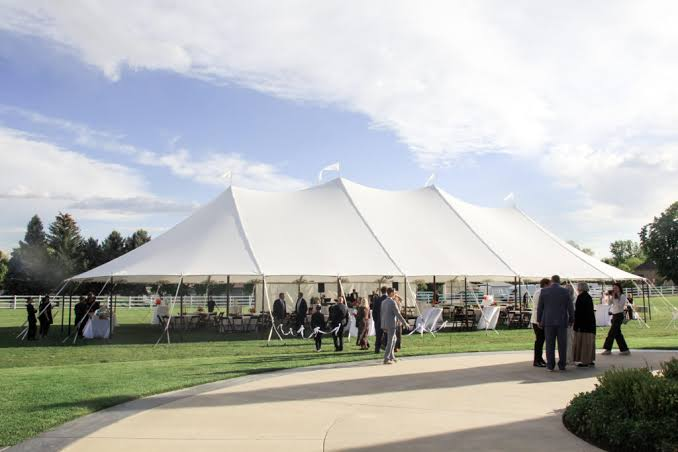
Anyone who has tried to stake a tent into rocky canyon soil knows that standard hardware doesn’t always do the job. Festival sites across Utah range from red rock deserts to alpine meadows, and each setting demands different anchoring systems, flooring solutions, and weather contingencies. A vendor who only stocks generic party supplies will struggle once the ground turns out to be more gravel than grass, or when afternoon winds pick up without warning in a canyon corridor.
This is where working with a company that specializes in festival rentals in Utah actually pays off, since their approach has been built around exactly these regional quirks rather than treated as an afterthought. Their inventory reflects years of adjusting to local conditions, from weighted tent systems that don’t rely on stakes to climate-rated generators that keep running when temperatures swing forty degrees between noon and midnight. Organizers who have dealt with ill-fitting rental equipment in the past tend to notice the difference immediately once they work with a team that has already solved these problems.
Beyond the hardware itself, there’s a planning element that matters just as much. Permits in Utah’s county and state park systems often come with specific requirements about structure placement, fire lanes, and noise equipment, and a rental partner familiar with those rules can save organizers from costly last-minute changes. That kind of institutional knowledge becomes obvious during setup week when everything fits together without a scramble.
Smaller details often separate a good vendor from a merely adequate one. Lighting placement for evening events, restroom trailer positioning relative to food vendors, and even the layout of extension cords across walking paths all influence how a festival actually feels to attendees. None of these choices gets much attention in a planning spreadsheet, yet each one shapes whether a venue feels organized or chaotic once gates open. Weather remains the variable nobody can fully control, and Utah’s mountain microclimates make that truer than in most states. A clear forecast in the valley doesn’t guarantee calm conditions at a higher-elevation venue, so equipment that can be adjusted on short notice becomes less of a luxury and more of a necessity. Crews who have worked enough Utah events develop a sense for which sites tend to get gusty by mid-afternoon and plan staking patterns accordingly, long before any storm warning appears on a phone. Cleanup and breakdown deserve more attention than they usually get in early planning conversations, especially when a venue has a tight turnaround before the next event. Vendors who treat teardown with the same seriousness as setup tend to be the ones invited back year after year, and that reputation builds slowly through dozens of events rather than a single flawless weekend.