

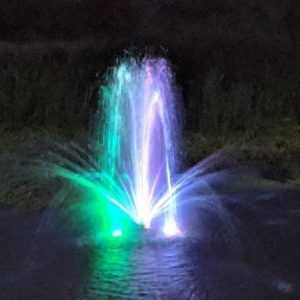
A backyard pond brings beauty to any property, but keeping it healthy requires more than just filling it with water. Stagnant water quickly becomes a problem, creating conditions that harm fish, attract pests, and turn crystal-clear water murky. Active water movement solves these issues while enhancing the visual appeal of your outdoor space.
Pond fountains create the circulation needed to maintain a thriving aquatic environment. These systems push water upward and outward, breaking the surface tension and distributing oxygen throughout the water column. The constant motion prevents the layering effect that occurs in still water, where warm surface water sits above cold, oxygen-depleted depths. This circulation addresses multiple problems simultaneously, making it one of the most effective tools for pond health.
Breaking the Mosquito Breeding Cycle
Disrupting Larval Development: Mosquitoes need calm water to lay eggs and allow larvae to mature. The surface agitation from a fountain makes it nearly impossible for mosquitoes to complete their breeding cycle. Female mosquitoes avoid turbulent areas when searching for egg-laying sites, and existing larvae cannot survive in moving water. This natural deterrent works around the clock without chemicals or manual intervention.
Creating an Uninviting Environment: The ripples and splashing from fountain operation physically disturb the water surface where mosquito eggs would normally float. Larvae require still conditions to breathe through surface contact, and even minor water movement prevents this essential function. Properties with active water features report dramatically fewer mosquito populations compared to those with stagnant ponds or decorative pools.
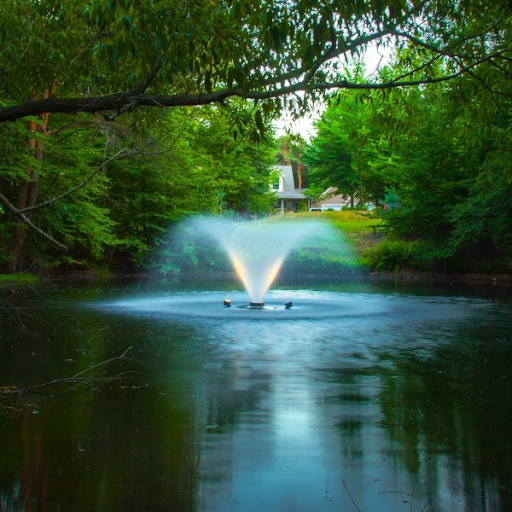
Improving Water Clarity Through Movement
Preventing Algae Overgrowth: Algae thrives in warm, still water with abundant sunlight penetration. Circulation disrupts the ideal conditions algae needs to multiply rapidly. Moving water distributes nutrients more evenly rather than allowing them to concentrate in sunny, shallow areas. The oxygenation process that occurs when water breaks the surface also supports beneficial bacteria that compete with algae for resources.
Reducing Suspended Particles: Fountain action helps suspended debris settle to the bottom where filtration systems can remove it more effectively. The continuous motion prevents organic matter from floating indefinitely at mid-depths. Clearer water allows you to see fish, plants, and decorative elements that might otherwise disappear behind a cloudy veil. Visibility improvements happen within days of installing proper circulation equipment.
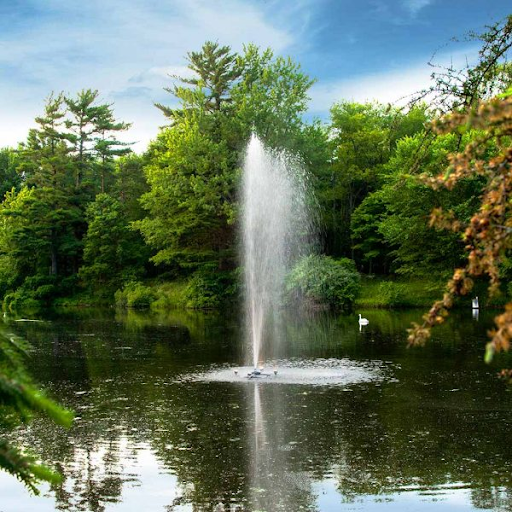
Preventing Harmful Stratification
Mixing Temperature Layers: Ponds naturally develop distinct temperature zones without circulation. Warm water stays on top while cold water sinks, creating an oxygen-deprived layer near the bottom. Fish and beneficial organisms cannot survive in these dead zones. Fountains break down this stratification by pulling bottom water to the surface and pushing surface water downward, creating uniform conditions throughout the pond depth.
Supporting Fish Health: Consistent oxygen levels throughout the water column allow fish to utilize the entire pond rather than crowding near the surface. Bottom-dwelling species particularly benefit from improved conditions in lower depths. Temperature consistency also reduces stress on fish during seasonal transitions. Healthier fish show better coloration, increased activity, and stronger resistance to disease.
Choosing Reliable Circulation Equipment
Pump Performance Matters: The effectiveness of any fountain system depends on the pump’s ability to maintain consistent flow rates. Quality pumps deliver the gallons per hour needed for your specific pond volume without excessive energy consumption. Durability becomes critical since these units operate continuously throughout the warm months. Components designed for fountain applications handle the demands better than generic pumps not built for this purpose.
Matching Flow to Pond Size: Different ponds require different circulation capacities. A small decorative pond needs less aggressive movement than a large koi pond or farm pond. Calculate your pond’s volume and aim for complete water turnover every two to four hours. Undersized equipment fails to provide adequate movement, while oversized systems can create excessive turbulence that stresses fish or damages plants.
Installation and Maintenance Considerations: Proper placement determines how effectively the fountain circulates water. Central positioning usually provides the best coverage, though shallow or irregularly shaped ponds may need different approaches. Regular cleaning of intake screens prevents debris from reducing flow rates. Seasonal shutdown procedures protect equipment from freeze damage and extend operational life.
Visible Results You Can Appreciate
- Reduced surface scum and foam: Active water breaks up oils and proteins before they accumulate into visible films.
- Fewer dead zones: Moving water reaches corners and shallow areas that would otherwise become stagnant pockets.
- Enhanced wildlife activity: Birds and beneficial insects visit ponds with fresh, moving water more frequently than stagnant pools.
- Better plant growth: Aquatic plants receive more consistent nutrient distribution and benefit from improved gas exchange at leaf surfaces.
- Minimal odor development: Decomposition in oxygen-rich water produces far less offensive smell than anaerobic breakdown in stagnant conditions.
Aesthetic Improvements With Health Benefits
Visual Appeal Meets Function: The sight and sound of moving water adds sensory dimension to outdoor spaces. Sparkling droplets catch sunlight, creating dynamic visual interest that changes throughout the day. The gentle splashing provides ambient sound that masks traffic noise or other disturbances. These aesthetic qualities happen to coincide with the same movement patterns that maintain water health.
Year-Round Enjoyment: Properly maintained circulation systems extend the season when ponds remain attractive and functional. Early spring startup prevents ice-related stagnation issues as water warms. Fall operation manages leaf accumulation and prepares the pond for winter dormancy. The investment in quality equipment pays dividends through multiple seasons of reliable performance.
Conclusion
Quality water movement transforms pond ownership from a maintenance challenge into genuine enjoyment. The health benefits of consistent circulation show up quickly in clearer water, reduced pest problems, and thriving aquatic life. Visual improvements accompany these practical advantages, creating outdoor features that enhance property value and daily living. Invest in reliable fountain equipment designed for continuous operation, and experience the difference that proper water movement makes in your pond’s appearance and ecological balance.