

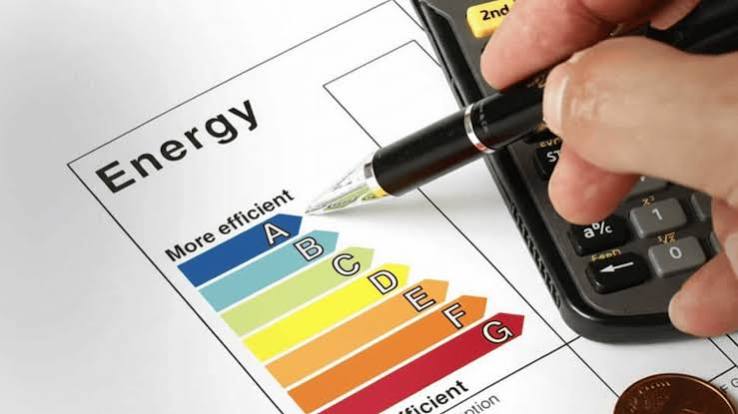
Planning a home renovation is fun. You finally get to pick new windows, blow in fresh insulation, and upgrade to a smart HVAC system. The possibilities are endless…until you open your wallet. But before you spend any money you should run your home through these free energy efficiency calculators.
With a little planning, you can make smarter decisions that save more money and avoid costly mistakes.
Here Are 11 Free Calculators Every Homeowner Should Use:
Clean Energy Project Builder
If you’re planning home energy improvements in the UK, the Clean Energy Project Builder is an excellent place to start. Rather than offering just one calculator, it brings together more than 30 free tools covering everything from heating costs and solar savings to loft insulation, grants, EPC improvements and household carbon emissions. Each tool uses UK-focused assumptions to provide realistic estimates, helping you compare different upgrades before requesting quotes from installers. Whether you’re looking to reduce your energy bills, improve your home’s efficiency or explore renewable energy options, it’s a practical starting point for making informed decisions.
Home Energy Saver from Lawrence Berkeley National Lab
This calculator will earn your trust right off the bat. It’s called the Home Energy Saver and it was created by scientists at the Lawrence Berkeley National Lab. Simply input your home’s characteristics like size, age, location, etc. The tool then reveals your biggest energy loss culprits and how much you can save if you fix them. It’s the perfect way to kick off any renovation project.
ENERGY STAR Home Advisor
ENERGY STAR is a household name for most homeowners. Their free Home Advisor takes you step-by-step through a quick questionnaire. You answer questions about your heating and cooling equipment and household appliances. At the end, you are presented with a prioritized list of upgrades you can make. It ranks them by energy savings potential so you know which improvements will have the biggest impact.
EnergyWise Insulation Savings Calculator
Insulation is often the biggest culprit when it comes to energy waste. Thankfully, EnergyWise has a free insulation savings calculator that will tell you just how much heat you’re losing. After you describe your home and current insulation level, the tool provides monthly savings estimates if you were to add insulation. It’s quick, easy, and best of all it’s free.
EnergyWise HVAC Efficiency Calculator
In the market for a new heating or cooling system? Well, this handy calculator can show you the true cost difference on your monthly energy bills between your current system and a high-efficiency model. No technical background needed. Enter some numbers and instantly see how much you could save each month. It will help you decide if upgrading your HVAC system is right for you.
EnergyWise Window Upgrade Calculator
New windows can be a big expense. Many people install new windows with the hopes of reducing their energy bills, but they don’t always see the savings they were hoping for. The EnergyWise Window Upgrade Calculator will show you exactly how much money new windows could save you every month. All you have to do is enter your current window type and your climate zone and the tool will do the rest.
Thermopy Energy Efficiency Calculator
The Thermopy home energy calculator is best used by people who want to dive a little deeper. You input 12 months of energy bills and set a goal for how much you want to save. The calculator will reverse-engineze your annual energy reduction, dollar savings per year, simple payback period, and more. One huge bonus is that it automatically calculates federal tax credits and utility rebates which could pay for 30% of qualifying upgrades.
Rocky Mountain Institute (RMI) Green Upgrade Calculator
The Rocky Mountain Institute created this free tool for both homeowners and energy professionals. It walks you through the process of upgrading your home with green alternatives. That includes heat pumps, insulation, solar panels, and more. You can even calculate transportation upgrades as well. If you want to review every aspect of your home, this is the tool for you.
EnergyWise Air Sealing Estimator
Air leaks add up over time. Leaks around windows, doors, and outlets are easy to overlook, but they’re costing you money every month. Energywise has a free calculator that will show you how much air sealing your home can save you. Enter some basic information about your house and the estimator will generate instant savings.
EnergyWise Utility Bill Reducer
This free calculator takes a slightly different approach. Instead of focusing on one home upgrade at a time, it shows you where your energy dollars are going each month. It will display heating, cooling, water heating, and appliance costs separately. Once you know where your money is going, you can prioritize your home renovations around those specific systems.
Smart Home Energy Optimization Tool Calculator
This smart home energy savings calculator is perfect for homeowners who currently have (or plan on adding) smart home technology. Enter the number of smart devices you own, your utility rate, and weekly usage habits. It then calculates how much money you could save by automating certain tasks or upgrading equipment. You can even plug-in solar, smart plugs, and insulation to see how they affect your monthly bill.
Why Should I Use These Calculators Before Making Home Renovations?
Home renovations are costly. The average homeowner spends large sums of money on home upgrades they later regret. Usually, that’s because they didn’t do their research ahead of time. The moment you start remodeling your home, it’s easy to get bogged down by the details.
These calculators bring you back to the beginning. They provide real savings numbers before you spend any money. With these tools you can accurately compare the payback period for different upgrades. Looking to claim that 30% Federal Tax Credit? These calculators can tell you which home improvements qualify.
Our recommended strategy: Start with a whole house energy calculator. The Home Energy Saver and Utility Bill Reducer calculators are great for seeing the full picture. Then move on to specific calculators based on your needs. Looking for insulation upgrades? Start with that calculator. Want to know if windows are worth the cost? Run those numbers.
Finally, verify your findings with the Thermopy or RMI calculator. If all three say upgrading your insulation is the best bet, it’s probably true.
Case Study: How Energy Efficiency Calculators Helped Someone Save Over £900 Per Year
James and Sarah bought a detached house built in the 1980s. While it was comfortable, they found their heating bills were far higher than they expected, especially during the winter months. Before forking out for double glazing or renewable technology, they decided to try a few online energy efficiency calculators – all of which were free.
They started with a whole-home energy assessment to identify where they would save the most energy. Using the Clean Energy Project Builder, they discovered loft insulation, heating efficiency and air leakage offered the biggest opportunities for savings. They followed up with insulation, heating and air sealing specific calculators to compare ROI on the recommended improvements.
They were surprised with what they found. Initially they were going to replace every window, but the calculator revealed that loft insulation and air sealing offered much quicker payback. They also learnt upgrading their old boiler would provide far greater annual savings than swapping out their double glazed windows, which were still in good condition.
Rather than investing over £12,000 in windows, they focused on:
- Loft insulation
- Air sealing around doors, windows and pipe penetrations.
- Upgrading to a modern, high-efficiency heating system
- Installing a smart thermostat.
After completing the recommended improvements, they saw their heating bills reduce by over £900 each year. Not only did the home feel warmer in winter and stay cooler for longer in summer, but they also noticed fewer drafts around the entire property.
They saved themselves thousands of pounds on installations that would have taken them decades to recoup through energy savings. By spending a couple of hours with free-to-use online calculators before seeking installation quotes, they were able to prioritise their budget on what would give them the best long-term return.
Frequently Asked Questions
Will energy efficiency calculators be accurate?
Provided you take your time and pay attention to detail, most online calculators will give you a close estimate of your potential savings. Their accuracy depends on several factors that are unique to your property, including size, insulation, type of heating system and average energy usage. While they can’t replace a home energy assessment, these calculators are still very useful for homeowners looking to plan future renovations.
Which energy calculator should I use first?
We recommend beginning with a whole-home energy assessment calculator. These break down where your home loses energy overall, meaning you can research individual measures like insulation, windows and heating equipment in greater detail.
Do I need a professional energy audit instead?
While an auditor can provide more detailed recommendations specific to your property, online calculators are nowhere near as precise. Consider calculators as rough estimates that let you compare the costs and benefits of different improvement options.
Do I have to pay for these online calculators?
No. Every calculator in this guide is available for free online. They provide a great way to explore possible improvements without having to call individual installers.
What do I need to provide?
The information required varies depending on the complexity of the calculator. At minimum, you’ll need to know your:
- Property type
- Floor area
- Year your home was built
- Heating system
- Existing insulation levels
- Annual energy consumption or energy bills
- Location
Keeping an up-to-date energy bill open on a second device can help ensure you don’t overlook any detail that can improve the accuracy of your estimate.
Can I use these calculators to compare improvements?
Yes! Many of these online tools allow you to add or subtract different measures. Whether you want to find out how insulation stacks up against solar panels or adding a smart thermostat can help reduce bills, there’s likely a calculator for that.
Will I know about grants or incentives when using these calculators?
Some tools can estimate the number of grants, rebates or tax incentives you could receive where applicable. However, this information changes regularly based on government guidelines. Always check which schemes are currently available before making any financial commitments.
Which improvements usually offer the biggest savings?
Insulation, heating equipment and air sealing usually offer the largest financial benefits. However, every property is unique. Consider starting with an overall energy calculator and work from there.
Should I use an energy efficiency calculator every time I turn on my laptop?
No but you should use them when it’s relevant. Whether you’re replacing your heating system, making major renovations, improving your home’s insulation or considering an energy generating technology, energy efficiency calculators can help. They’re also great for tracking potential savings after you’ve completed some improvement work!
Will an energy efficiency calculator reduce my carbon footprint?
Yes, many of the calculators featured in this guide allow you to measure your household carbon emissions. From there, you can pick the improvements that best reduce your environmental impact while saving you money on energy bills.
Final Words
These tools do not replace hiring a professional energy auditor. But they will arm you with a ton of useful knowledge before you start spending money. You’ll know what your home needs and how much it should cost. That kind of information saves you money, cuts down on waste, and ensures every upgrade counts.