

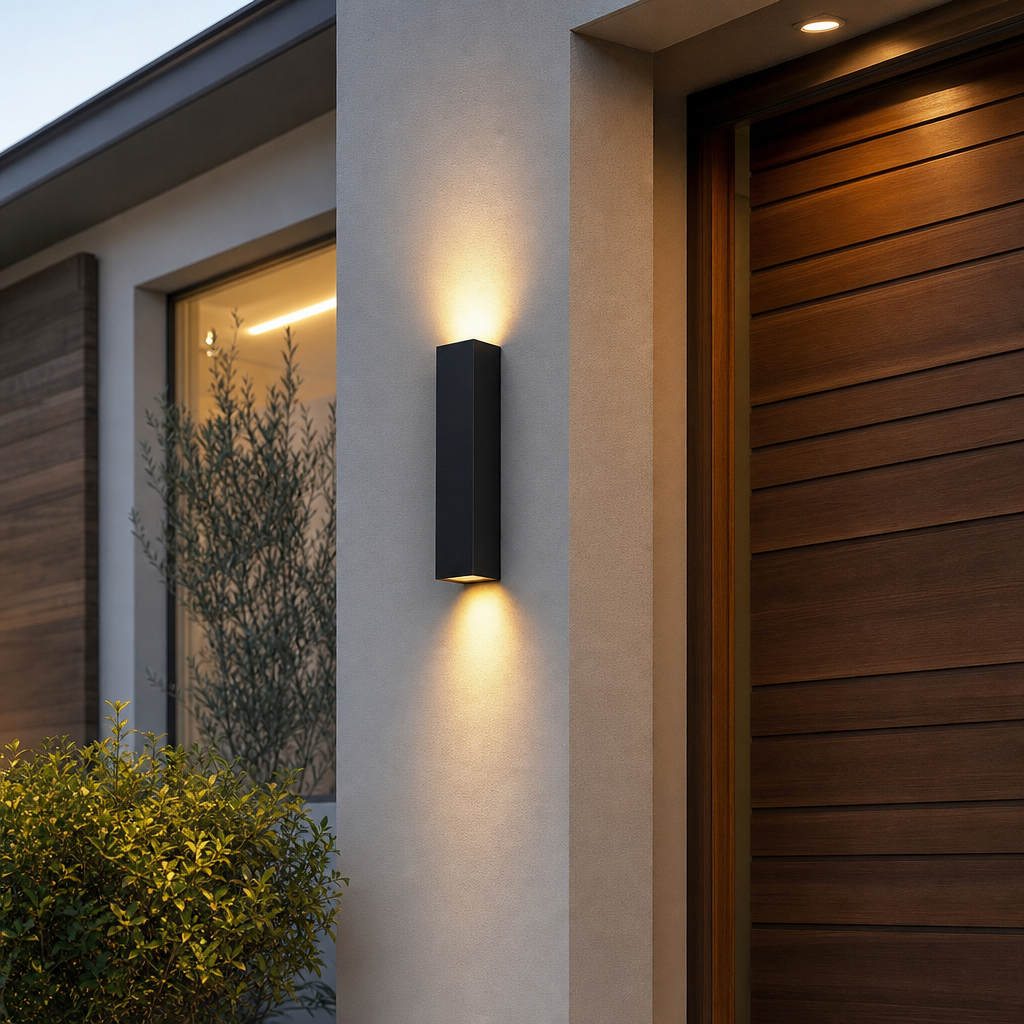
When homeowners think about improving their property’s curb appeal, they often focus on landscaping, fresh paint, or a new front door. Yet one of the most overlooked and underestimated upgrades sits right at the entrance of every home — the house number. Far from being a mere formality, your house number is one of the first things visitors, delivery drivers, and potential buyers notice. Choosing the right style, material, and placement can make a meaningful difference in how your home is perceived from the street. In today’s design-conscious market, upgrading to a contemporary numbering system is not just an aesthetic choice — it is a practical one.
The Role of House Numbers in Curb Appeal
Curb appeal is the visual impression your home makes before anyone steps through the front door. It influences everything from neighborhood perception to real estate valuation. While most homeowners invest heavily in larger exterior features, the finer details — like house numbers — carry surprising weight. A mismatched, faded, or outdated number plate can undermine an otherwise polished exterior, while a sleek, well-chosen set of digits can tie the entire façade together.
Design professionals consistently emphasize that cohesion is key. Every element of your home’s exterior should speak the same visual language. If your home features clean lines, minimalist architecture, or contemporary finishes, your house numbers should reflect that same sensibility. Conversely, a traditional home might benefit from classic brass or bronze numerals with a timeless font. The point is intentionality — every detail should be chosen with purpose.
Visibility and Functionality Matter More Than You Think
Beyond aesthetics, house numbers serve a critical functional role. Emergency responders, postal workers, and rideshare drivers all rely on clearly visible address numbers to locate properties quickly. Poorly lit, too-small, or obscured numbers can cause real delays in urgent situations. This is why visibility — including size, contrast against the background, and nighttime legibility — should be a primary consideration when selecting house numbers.
Many modern designs now incorporate backlit or illuminated options that remain readable after dark without requiring a separate light fixture. Others use high-contrast finishes — matte black against white stucco, brushed nickel against dark brick — to ensure the numbers stand out at a glance. These are not just stylistic choices; they are safety-conscious decisions that benefit everyone who interacts with your property.
Material and Finish: Choosing What Lasts
House numbers are exposed to the elements year-round. Rain, UV radiation, temperature fluctuations, and humidity all take a toll on lesser materials. This is why material selection is just as important as style. Stainless steel, powder-coated aluminum, and solid brass are among the most durable options available. Each offers a distinct look while providing the weather resistance needed for long-term outdoor use.
Powder-coated finishes, in particular, have become increasingly popular because they resist chipping, fading, and corrosion far better than painted alternatives. Matte black has emerged as a dominant trend in contemporary home design, offering a bold yet refined look that complements a wide range of architectural styles. Brushed gold and satin nickel are also gaining traction for homeowners seeking a warmer or more luxurious aesthetic.
Font and Size: Getting the Details Right
Typography plays a surprisingly significant role in how house numbers are perceived. A clean sans-serif font projects modernity and confidence, while a serif or script font can evoke tradition and warmth. The size of the numerals also matters — too small and they become invisible from the street; too large and they can overwhelm the façade. A general rule of thumb is that numbers should be readable from at least 50 to 100 feet away, depending on the setback of your home from the road.
For expert guidance on selecting the right combination of style, size, and finish, Modern House Numbers offers a curated collection of premium address numbers designed to complement contemporary and traditional homes alike. Their range covers everything from minimalist floating numerals to illuminated options, making it easier to find a solution that genuinely elevates your home’s exterior presentation.
House Numbers and Property Value: A Connection Worth Noting
It may seem like a stretch to connect house numbers to property value, but the logic is straightforward. Buyers form impressions quickly, and those impressions are built from accumulated details. A home that presents well in every respect — including its address display — signals that the owner has taken care of the property. This attention to detail can subtly influence buyer confidence and, in competitive markets, tip the scales in a seller’s favor.
Understanding the broader picture of what affects property value is essential for any homeowner. If you are managing a property in a high-demand area, it is worth reading about hidden property risks that owners should not ignore, as these factors can have a far greater impact on long-term value than most people realize. Combining smart exterior upgrades with a thorough understanding of risk management creates a well-rounded approach to homeownership.
Installation Tips for a Polished Result
Even the most beautifully designed house numbers can fall flat if installed incorrectly. Placement, spacing, and mounting height all contribute to the final result. As a general guideline, numbers should be positioned at eye level or slightly above, typically between five and six feet from the ground. They should be centered on the surface they occupy — whether that is a pillar, a wall panel, or a gate post — and spaced evenly to maintain visual balance.
Before drilling into any surface, it is worth planning the layout carefully. Use painter’s tape to mock up the arrangement and step back to assess it from the street. Lighting conditions at different times of day can also affect how the numbers read, so it is worth checking visibility in both daylight and after dark before committing to a final position.
When to Consider a Full Exterior Refresh
If your home’s exterior has not been updated in several years, new house numbers can serve as the catalyst for a broader refresh. Pairing updated numerals with a freshly painted front door, new hardware, and improved lighting creates a cohesive and impactful transformation. For homeowners looking for inspiration and practical advice, this comprehensive guide to house number styles and placement offers a wealth of ideas to help you make informed decisions.
About Modern House Numbers
Modern House Numbers is a specialist retailer dedicated to helping homeowners find address numbers that combine quality craftsmanship with contemporary design. Their product range is built around the understanding that the right house number is not just functional — it is a design statement. With options spanning multiple finishes, fonts, and mounting styles, the brand caters to a wide spectrum of architectural preferences. Whether you are renovating a mid-century modern home or updating a classic colonial, their collection offers solutions that are both durable and visually compelling.
Conclusion
House numbers occupy a small footprint on your home’s exterior, but their impact is disproportionately large. They communicate your home’s identity, support safety and navigation, and contribute meaningfully to curb appeal. In a market where first impressions carry real weight, investing in well-designed, high-quality address numbers is one of the most cost-effective upgrades a homeowner can make. Whether you are preparing to sell, renovating for personal satisfaction, or simply looking to sharpen your home’s exterior presentation, the right house numbers are a detail worth getting right.