

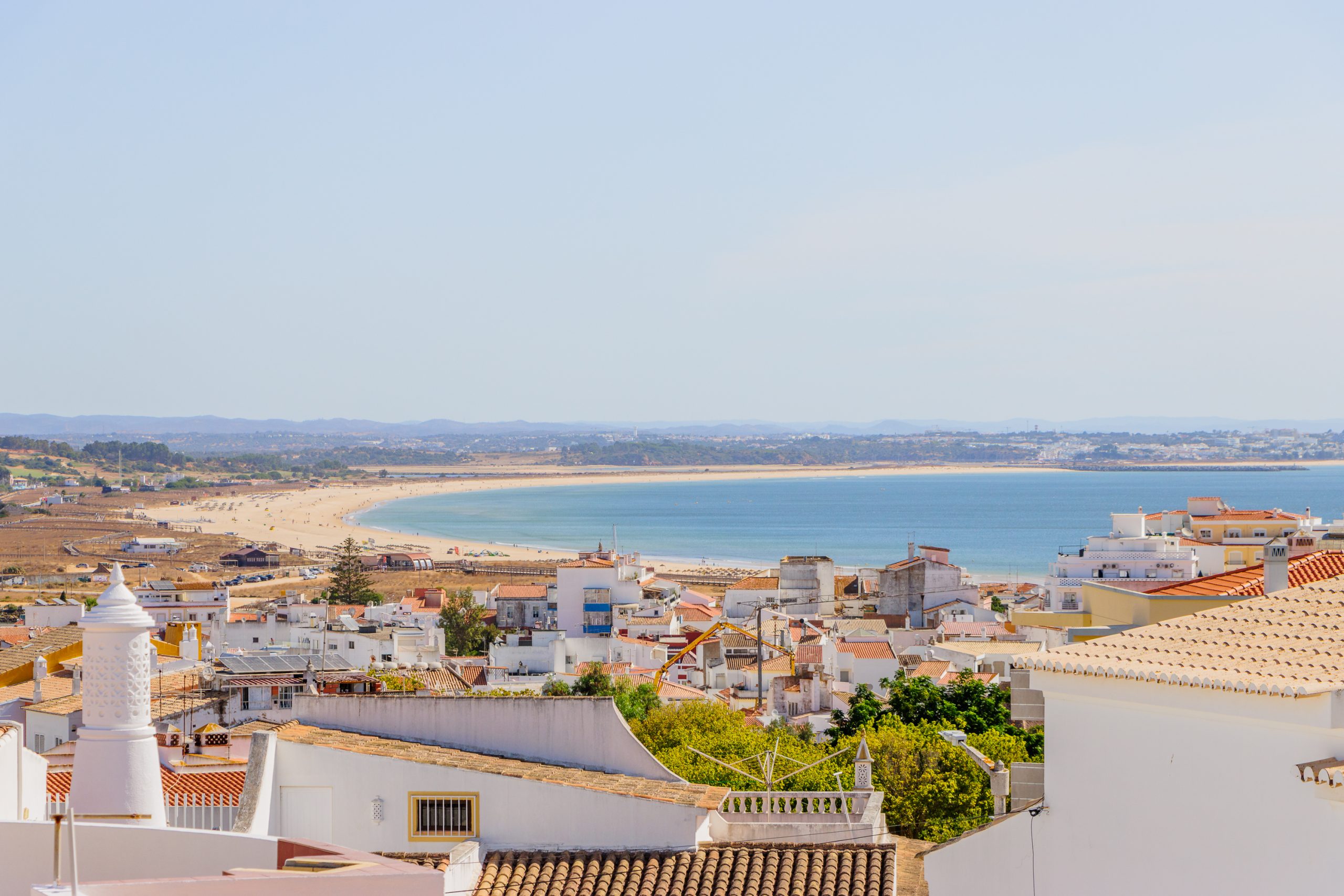
Buying abroad always feels bigger than buying at home, even when the process itself is simpler than expected. Anyone browsing property for sale in Algarve, Portugal for the first time usually starts with the same question: where do you even begin, when the region stretches from the Spanish border to the western cliffs, and every town seems to have its own personality?
The honest answer is that the Algarve is not one market. It is several smaller ones stitched together, and understanding that early saves a lot of wasted viewings.
Start With Lifestyle, Not Just Location
Before comparing towns, it helps to be clear about how the property will actually be used. A holiday home used four to six weeks a year has very different requirements from a property intended as a full-time residence, and both are different again from a buy-to-let investment aimed at the rental market.
Buyers planning to live in Portugal most of the year tend to prioritise proximity to healthcare, schools if relevant, and year-round community life. Buyers looking for a holiday home often weigh beach access and rental potential more heavily. Investors focused purely on returns need to look closely at occupancy rates and local short-term letting rules, which vary between municipalities.
None of these approaches is right or wrong, but trying to buy for all three purposes at once usually ends in compromise on every front.
The Regional Split Buyers Should Understand
The Western Algarve, around Lagos and the Golden Triangle resorts of Quinta do Lago, Vale do Lobo, and Vilamoura, commands the highest prices and the strongest name recognition internationally. It suits buyers who want proximity to golf, marinas, and established resort infrastructure, and who are comfortable paying a premium for it.
The Eastern Algarve, covering towns like Tavira, Olhão, and the area around Faro, offers a noticeably different character. Life here revolves more around genuine Portuguese towns than resort developments, with fishing ports, produce markets, and a slower pace that persists even through peak summer. Prices remain more accessible here than in the west, though the gap has been narrowing as more buyers discover the area.
For anyone weighing up property for sale Algarve Portugal currently lists, this east-west distinction is usually the single biggest factor in deciding where to focus a search.
What the Legal Process Actually Involves
Foreign nationals can buy property in Portugal with no restrictions on ownership, which surprises some first-time buyers who expect more red tape. The process itself typically follows this sequence:
1. Obtain a NIF (Número de Identificação Fiscal), Portugal’s tax identification number, required for almost any financial transaction in the country, including buying property.
2. Open a Portuguese bank account, which most buyers set up around the same time as the NIF, since it simplifies paying deposits and ongoing costs.
3. Sign a promissory contract (CPCV), once you have agreed a price, which typically requires a deposit of 10 to 30% and legally commits both parties to the sale.
4. Complete the legal due diligence, ideally through an independent lawyer, checking the property’s registration, any outstanding debts or charges, and planning permissions.
5. Complete at the notary, where the final deed is signed and the balance paid, along with transfer tax and other completion costs.
Working with an independent lawyer, rather than relying solely on the seller’s representative, is standard practice for overseas buyers and worth the modest additional cost for the protection it provides.
Costs Beyond the Purchase Price
Budgeting purely around the advertised price is one of the most common mistakes among first-time buyers. On top of the purchase price, buyers should plan for:
– IMT (property transfer tax), which scales with the purchase price
– Stamp duty at 0.8%
– Notary, registration, and legal fees
– Annual municipal property tax (IMI) once you own the home
Together these typically add somewhere in the region of 6 to 8% on top of the purchase price, though the exact figure depends on the property value and whether it is a primary or secondary residence.
Questions to Ask Before Making an Offer
A few practical questions tend to reveal more than a viewing alone ever will:
– Is the property fully licensed for its current use, with no unregistered extensions or conversions?
– What condition is the roof and any exposed masonry in, particularly on older properties?
– How does the property perform in summer heat, and is there working air conditioning or adequate shading?
– If renting the property out is part of the plan, what does realistic occupancy look like in this specific location, not just the region as a whole?
A local agent who knows the area well should be able to answer all of these honestly, including telling you when a property is not a good fit for what you are trying to achieve.
Taking the Next Step
The Algarve remains one of the more approachable European property markets for international buyers, with a straightforward legal process and no restrictions on foreign ownership. The part that takes more care is matching the right area and property type to how you actually intend to use it, rather than being drawn purely by photos or price per square metre.
Spending time understanding the regional differences before booking viewing trips tends to save both time and money, and usually leads to a much shorter shortlist by the time you are ready to view in person.