

Here’s something most homeowners never consider until it’s too late: your garage door is probably the largest moving object in your entire house, and it’s operated by a motor, a handful of springs under serious tension, and whoever installed it years ago.
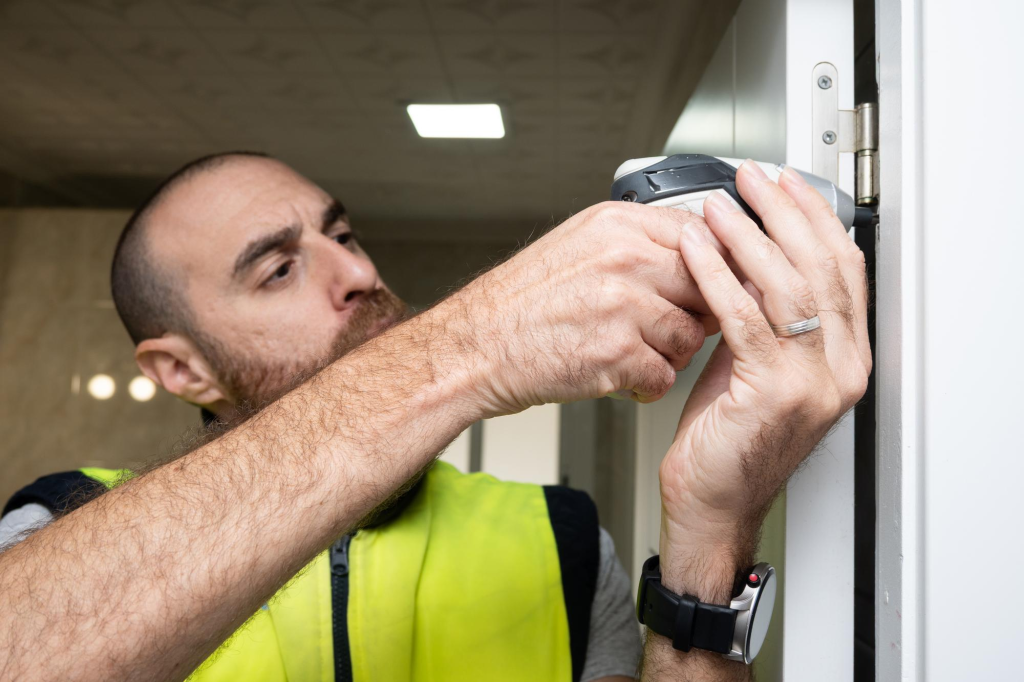
That’s the real reason picking the right installer matters so much. This isn’t like hiring someone to paint a fence. A poorly installed garage door can warp, jam, fall off its track, or in rare but real cases, cause injury.
So before you type “garage door company near me” into Google and call the first result, it helps to know what a trustworthy garage door installation actually looks like, and what separates a careful crew from one that’s just trying to finish the job fast.
Why “Cheapest Quote” Is the Wrong Starting Point
It’s tempting to line up three quotes and pick the lowest one. Everyone does it. But garage door pricing works a little differently than most home services.
A lower bid often means one of three things is happening behind the scenes.
- Lower-grade materials that won’t hold up to daily use
- A subcontractor instead of the actual installer’s trained crew
- Corners cut on safety hardware like torsion springs or safety cables
None of those show up on the invoice. They show up eighteen months later when the door starts grinding or the opener burns out early.
A Quick Story Worth Remembering
A neighbor of mine went with an installer who quoted nearly $400 less than everyone else. Six months in, the door started sagging on one side because the crew had used a lighter-duty track meant for a smaller door.
That kind of outcome is exactly why some homeowners end up deciding a full garage door replacement from a properly vetted company is the smarter move, rather than patching up a job that was never done right in the first place.
The lesson isn’t “expensive equals good.” It’s that price alone tells you nothing about the job quality.
What Actually Separates a Good Installer From a Risky One
Licensing and Insurance Aren’t Optional Extras
Ask directly: are you licensed and insured for this type of work? A reputable company answers without hesitation and can show proof.
If someone gets hurt on your property during installation, or the door itself causes damage down the line, insurance is what protects you, not just them.
Real Experience With Your Specific Door Type
Garage doors aren’t one-size-fits-all. Steel, wood, aluminum, insulated, carriage-style, they all install and behave differently.
Ask how many installations the company has completed in the last year, and ask specifically about your door style.
They Explain Instead of Just Selling
Pay attention to how the estimator talks to you. Are they explaining why a certain spring system fits your door, or are they just pushing the most expensive package?
Good installers educate you along the way, because an informed customer is less likely to call back with complaints.
Warranty Coverage That Actually Means Something
Ask exactly what’s covered, for how long, and whether it includes labor or just parts. Some companies offer a lifetime warranty on the door itself but only 90 days on labor, which matters a lot if something needs adjusting later.
Reviews That Mention Follow-Up, Not Just First Impressions
Anyone can install a door that looks fine on day one. What you want to read in reviews is how the company handled problems that came up weeks or months later.
Questions to Ask Before You Sign Anything
You don’t need to interrogate anyone, but a short list of direct questions saves a lot of regret later.
- Who will physically install my door, your crew or a subcontractor?
- What brand and model are you quoting, and can I see the spec sheet?
- What happens if the opening isn’t standard size?
- How do you handle unexpected issues found during removal of the old door?
- What does the warranty cover, and for how long?
If an installer gets vague or annoyed by these questions, that’s information too.
Repair, Replace, or Start Fresh?
Not every garage door problem means you need a whole new system. Sometimes a spring replacement or sensor realignment solves it just fine.
But there are a few signs that point toward full replacement instead of another patch job.
- The door is more than 15 to 20 years old
- Repairs have become frequent, say more than twice a year
- The panels are visibly warped, dented, or rusted through
- Your energy bills have crept up and the door isn’t insulated
If you’re seeing two or more of these, it’s usually smarter financially to replace the whole system rather than keep sinking money into an aging one. A new door also tends to improve curb appeal and home value more than people expect.
What Should Installation Day Actually Look Like?
A professional installation, done right, generally includes a few clear stages. It’s worth knowing them so you can tell if a crew is rushing.
Removal and Inspection
The old door and hardware come out, and the crew checks the opening itself for structural issues, not just the door.
Track and Frame Setup
Tracks get leveled and secured. This step alone determines how smoothly your door will run for years, so it shouldn’t feel rushed.
Spring and Cable Installation
This is the part with real risk if done wrong. Torsion springs hold enormous tension and should only ever be handled by trained technicians.
Opener Programming and Testing
Once the door is up, the opener gets synced, safety sensors are checked, and the balance is tested by hand before the motor takes over.
Walkthrough With You
A good installer walks you through the remote setup, manual release lever, and basic maintenance before they leave. If they rush out the door without this step, that’s a red flag worth remembering.
A Simple Way to Compare Companies Side by Side
If you’re getting multiple quotes, which you should, try laying them out with the same categories for each.
| Factor | Company A | Company B | Company C |
| License/Insurance verified | |||
| Warranty length (parts/labor) | |||
| Installer or subcontractor | |||
| Timeline offered | |||
| Total price |
Seeing it side by side makes the cheapest option look a lot less attractive once you factor in what’s missing.
How Long Should a Good Installation Take?
Most standard single-door installations take between four and six hours. Double doors or custom sizes can stretch to a full day.
If someone promises a full install in under two hours, ask what’s being skipped, because that timeline usually means minimal testing and no real walkthrough.
Is It Worth Asking Neighbors, Not Just Google?
Honestly, yes. Online reviews can be manipulated or unrepresentative, but a neighbor who had work done last year and is still happy with it six months later is about as reliable a reference as you’ll find.
Final Thoughts: Trust the Process, Not Just the Price Tag
Choosing a garage door installer isn’t complicated once you know what to look for, but it does take a bit more effort than picking the first name that pops up in search results.
Ask real questions, compare more than just price, and pay attention to how a company communicates before the job even starts. Your garage door will get opened and closed hundreds of times a year for the next decade or more, so it’s worth taking an extra day to pick the right people for the job.
Next step: Get at least two quotes from licensed local installers, ask the five questions listed above, and compare their answers side by side before making your decision.