

Spine care has changed greatly over the past few decades. New technology now helps doctors find spinal problems earlier, plan treatments more carefully, and perform many procedures with greater precision. For patients looking for a Los Angeles Spine Surgeon, these advances can make the treatment process more informed, efficient, and personalized.
Modern spine care is no longer based only on a physical exam and a basic X-ray. Today, specialists can use advanced imaging, computer-assisted planning, robotic systems, minimally invasive surgical tools, and improved monitoring technology. These tools give surgeons a clearer view of the spine and help them choose an approach based on each patient’s condition.
Technology does not replace the experience of a skilled spine specialist. Instead, it gives surgeons better information and more precise tools. A Los Angeles Spine Surgeon may use several technologies together when treating conditions such as herniated discs, spinal stenosis, degenerative disc disease, scoliosis, spinal fractures, and nerve compression.
For patients, understanding these changes can make it easier to ask useful questions and take an active role in treatment decisions. Modern technology is helping make spine surgery more precise, while also supporting safer procedures and faster recovery in appropriate cases.
Advanced Imaging Is Improving Spine Diagnosis
Accurate diagnosis is one of the most important parts of successful spine treatment. Before recommending surgery or another treatment, a spine doctor needs to understand what is causing pain, weakness, numbness, or limited movement. Advanced imaging technology has made this process much more detailed.
Magnetic resonance imaging, commonly called an MRI, is especially useful for examining soft tissues around the spine. It can help doctors identify problems involving spinal discs, nerves, ligaments, and the spinal cord. When a patient has symptoms that suggest a herniated disc or nerve compression, an MRI may provide valuable information that cannot be seen clearly on a standard X-ray.
Computed tomography, or CT, gives doctors detailed images of the bones and structure of the spine. CT scans can be helpful when evaluating fractures, bone growth, spinal alignment, and complex anatomy. In some cases, CT imaging may also support surgical planning by giving the surgeon a more detailed picture of the area that needs treatment.
Digital X-ray technology continues to play an important role as well. Modern X-rays can help specialists evaluate spinal alignment, movement, and changes in the vertebrae. Standing or motion-based images may provide information about how the spine behaves when a person is upright or moving.
Three-dimensional imaging is another important development. Instead of looking at the spine only from one direction, doctors can use computer-generated views to better understand its shape and structure. This can be particularly helpful when a patient’s anatomy is complex or when surgery requires careful planning.
For someone searching for a Los Angeles Spine Surgeon, advanced imaging is one area worth discussing during a consultation. Patients can ask which imaging tests are needed, what the images show, and how the findings relate to their symptoms. Good treatment decisions should connect imaging results with the patient’s medical history and physical examination rather than relying on a scan alone.
Artificial intelligence is also beginning to influence medical imaging. AI-supported systems can assist with image analysis and help identify patterns that may deserve closer attention. These technologies are developing quickly, but they are designed to support trained medical professionals rather than replace them.
The result is a more complete approach to diagnosis. By combining imaging, physical examinations, medical history, and patient symptoms, a spine specialist can develop a clearer picture of the problem before selecting a treatment.
Minimally Invasive Spine Surgery Is Changing Recovery
One of the biggest changes in modern spine care is the growth of minimally invasive surgical techniques. Traditional spine surgery may require a larger incision and more disruption of surrounding tissues. Minimally invasive procedures are designed to reach the affected area through smaller openings while limiting damage to nearby muscles and tissues when appropriate.
A Los Angeles Spine Surgeon may consider minimally invasive spine surgery for certain conditions, including some cases of spinal stenosis, herniated discs, and nerve compression. The exact technique depends on the patient’s diagnosis, anatomy, overall health, and surgical goals.
During minimally invasive procedures, surgeons may use specialized instruments and a small camera or imaging system to see the surgical area. This can allow the surgeon to work through a smaller incision while maintaining a clear view of important structures.
Smaller incisions can offer several potential benefits. Patients may experience less disruption to surrounding tissue, reduced postoperative discomfort, smaller scars, and a shorter hospital stay in suitable cases. Some people may also return to normal activities sooner than they would after a more extensive procedure.
However, minimally invasive does not automatically mean better for every patient. Some spinal conditions require traditional or more extensive surgery. A responsible spine specialist will recommend the approach that best fits the patient’s medical needs rather than choosing a procedure simply because it uses newer technology.
Endoscopic spine surgery is another developing area. With endoscopic techniques, a surgeon can use a small camera and specialized instruments to access certain areas of the spine. The technology provides a magnified view of the treatment area and can be useful for carefully selected patients.
Technology has also improved surgical navigation. Navigation systems can help a surgeon understand the exact position of instruments and implants during a procedure. This is especially valuable when working near the spinal cord, nerves, or other sensitive structures.
Patients should remember that recovery depends on many factors. The type of surgery, overall health, age, physical condition, and rehabilitation plan can all affect recovery time. Even advanced technology cannot guarantee a specific outcome.
The most important goal is appropriate treatment. A Los Angeles Spine Surgeon should explain why a particular technique is recommended, what alternatives exist, what risks may occur, and what recovery may involve. Technology becomes most valuable when it is combined with careful medical judgment and patient-centered care.
Robotic Assistance and Computer Navigation Increase Precision
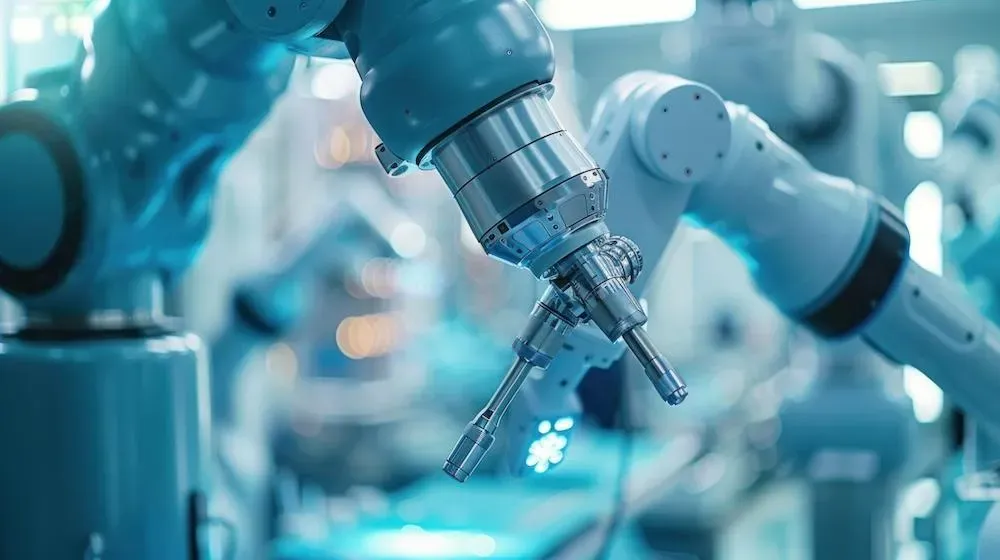
Robotic technology has attracted significant attention in modern spine surgery. While the term “robotic surgery” can sound like a machine is performing the operation, that is not how most robotic-assisted spine procedures work. The surgeon remains responsible for planning and performing the treatment, while robotic systems can provide guidance and precision.
Before surgery, a surgeon may use detailed imaging to create a digital plan. This plan can help determine the ideal position for certain spinal implants or surgical instruments. During the operation, navigation technology can then help the surgeon follow the planned pathway.
This can be particularly useful during procedures involving spinal instrumentation. Screws and other implants need to be placed carefully because important nerves and other structures are located close to the spine. Navigation systems can provide real-time information about the location of instruments in relation to the patient’s anatomy.
Three-dimensional navigation may also help surgeons manage complex cases. Every patient’s spine is different, and spinal deformities, previous surgeries, unusual anatomy, or severe degeneration can make a procedure more challenging. Computer-assisted systems can provide another layer of information during surgery.
Robotic assistance may also improve consistency in certain parts of a procedure. By combining imaging, planning software, navigation, and surgical expertise, doctors can create a more structured approach to treatment.
Still, technology should not be confused with a guarantee of success. A robotic system cannot make a medical decision independently. The surgeon must understand the patient’s condition, interpret imaging, respond to changes during surgery, and decide how best to proceed.
This is why choosing an experienced Los Angeles Spine Surgeon remains important even as technology becomes more advanced. Patients should consider the surgeon’s training, experience with the specific procedure, communication style, and overall approach to care.
During a consultation, patients can ask whether robotic assistance or computer navigation is appropriate for their case. They can also ask how the technology is used, what advantages it may provide, and whether the same procedure can be safely performed without it.
The goal is not to use the newest device simply because it is available. The goal is to use proven technology when it can improve planning, precision, or patient care.
As computer systems continue to improve, the connection between medical imaging and surgical planning will likely become even stronger. This could allow surgeons to create increasingly detailed treatment plans before entering the operating room.
Artificial Intelligence and Personalized Spine Care
Artificial intelligence is becoming another important part of the future of medicine. In spine care, AI may help doctors analyze large amounts of information, recognize patterns in medical images, and support clinical decision-making.
For example, AI-based systems can be trained to analyze imaging data. While these tools are not a substitute for a qualified doctor, they may help identify certain findings or organize information more efficiently. As technology improves, AI could become increasingly useful in supporting diagnosis and treatment planning.
Personalized medicine is also becoming more important. Two people can have similar findings on an MRI but experience very different symptoms. One patient may improve with physical therapy and medication, while another may require an injection or surgery.
A modern Los Angeles Spine Surgeon must therefore look at more than an image. Treatment decisions should consider symptoms, physical examination findings, lifestyle, medical history, activity level, and personal goals.
Technology can help bring these pieces of information together. Electronic medical records, digital imaging, patient monitoring systems, and data analysis tools can give healthcare teams a more complete understanding of a patient’s condition.
Wearable technology may also have a role in future spine care. Devices that track movement, activity, sleep, or exercise can potentially provide information about how a patient functions outside the doctor’s office. This type of data may help healthcare professionals understand recovery patterns and encourage patients to follow rehabilitation plans.
Telemedicine has also made follow-up care easier in many situations. Some postoperative visits or routine discussions may be completed through secure video appointments when an in-person examination is not necessary. This can be useful for patients who have difficulty traveling or need a quick follow-up discussion.
Digital patient education is another advantage of modern technology. Patients can now access diagrams, educational videos, imaging explanations, and recovery instructions through online platforms. Better access to information can help people understand their condition and prepare for treatment.
However, patients should be careful about relying on general online information for medical decisions. Spine symptoms can have many causes, and information that applies to one person may not apply to another. A qualified healthcare professional should evaluate persistent pain, weakness, numbness, or other concerning symptoms.
Technology works best when it supports communication rather than replacing it. A good spine care experience should still involve clear explanations, informed consent, realistic expectations, and opportunities for patients to ask questions.
The Future of Spine Treatment in Los Angeles
The future of spine treatment is likely to involve even closer integration between advanced imaging, navigation, robotics, artificial intelligence, and personalized care. These technologies may help doctors plan procedures with greater detail and provide patients with more individualized treatment options.
One area of development is improved surgical simulation. Virtual and computer-based planning tools may allow surgeons to study complex spinal anatomy before a procedure. This can help teams prepare for difficult cases and think through different surgical approaches.
Augmented reality may also influence spine surgery. In the future, surgeons may be able to view digital information overlaid on the patient’s anatomy while working. Although these technologies are still developing, they show how digital tools could change the operating room.
Implant technology is developing as well. New materials and designs may improve how spinal implants interact with the body. Three-dimensional printing could potentially support customized surgical planning and patient-specific devices in selected medical applications.
Regenerative medicine is another area being studied in spine care. Researchers continue to investigate ways to support damaged discs and spinal tissues. While some approaches remain experimental, continued research could eventually expand treatment choices for certain degenerative conditions.
For patients seeking a Los Angeles Spine Surgeon, these developments offer encouraging possibilities. However, patients should distinguish between established treatments and technologies that are still being researched. A treatment should not be considered effective simply because it uses advanced equipment or has received attention online.
The best approach is to discuss evidence, benefits, risks, and alternatives with a qualified specialist. Patients should understand what condition they have, why a treatment is being recommended, and what they can realistically expect from recovery.
Technology is also improving the patient experience outside the operating room. Digital appointment systems, electronic records, remote consultations, rehabilitation apps, and online education can make communication more convenient. These tools can help patients stay connected with their healthcare team throughout treatment.
Even with all these advances, the human side of medicine remains essential. Spine problems can affect work, sleep, exercise, family life, and emotional well-being. Patients need doctors who listen carefully and understand how a condition affects everyday life.
A skilled Los Angeles Spine Surgeon combines medical knowledge with modern tools to create an individualized treatment plan. Technology can improve visualization and precision, but good outcomes also depend on proper diagnosis, surgical experience, patient selection, rehabilitation, and follow-up care.
As innovation continues, patients will likely have access to more treatment options. The key will be choosing technology based on evidence and individual medical needs rather than choosing it simply because it is new.
Conclusion
Technology is changing the way spine conditions are diagnosed, treated, and managed. Advanced MRI and CT imaging can provide detailed information about the spine, while minimally invasive techniques may reduce tissue disruption for appropriate patients. Robotic assistance and computer navigation can support precise surgical planning, while artificial intelligence and digital health tools are creating new possibilities for personalized care.
For people considering treatment, finding the right Los Angeles Spine Surgeon remains just as important as understanding the technology itself. Modern equipment can be valuable, but it works best when guided by experience, careful diagnosis, and sound medical judgment.
Patients should ask questions, understand their diagnosis, discuss treatment alternatives, and learn what recovery may involve. When advanced technology and experienced spine care work together, patients can make better-informed decisions about their spinal health and long-term quality of life.
