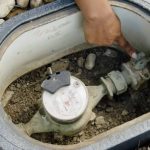


When you turn on your kitchen tap or take a shower, you expect a steady, clean flow of water. Behind that simple daily routine lies a massive, hidden network of city water mains and municipal supply lines. Unfortunately, much of this public water infrastructure is decades old and rapidly deteriorating.
When city pipelines degrade, the operational strain does not stay underground—it travels straight into residential properties. Knowing how failing public utilities can affect your home—and getting help from experts like Emerald Green Plumbing can prevent sudden damage and costly repairs.
How Older Municipal Pipes Affect Your Home Plumbing
With the deterioration of older municipal pipes, there is a definite chain reaction that affects your own private pipes:
- Sudden Water Pressure Changes: When the old city water pipes begin to deteriorate, the municipality responds by increasing pressures at the stations. This causes rapid pressure changes that send shock waves through your home water pipes, resulting in joint loosening and hairline cracks in your pipes behind the walls.
- Rust and Sediment Build Up: The rusting of iron and steel water mains results in flaking off of mineral, rust particles, and sediments which make their way into your home right through your property line pipe service connection.
- Increase in Water Chemicals: With older pipes, municipalities must increase the amount of chemicals like chlorine and chloramine used to ensure that the water is safe.
Environmental Factors Affecting Pipeline Corrosion
Various geographic areas have specific environmental concerns that accelerate the corrosion process of pipelines:
- Salty Coastal Water: In coastal areas such as certain parts of Florida and Louisiana, sea levels rise and highly saline groundwater causes the soil to become saturated. Such a salty environment accelerates the corrosion process, corroding metal pipes at a significantly accelerated pace compared to regular soil.
- Hot Climate and Drought: In rapidly growing areas in the Southwest and Texas, drought conditions lead to clay-rich soil becoming dried out and contracting. With the onset of seasonal rains, the soil expands quickly, causing mechanical pressure on underground pipeline systems until it breaks.
- Winter Freezing and Thawing: In cold climates, expanding frost lines exert considerable pressure on utility and residential lines.
What Happens When City Water Infrastructure Fails
If city water infrastructure fails, it affects each homeowner directly:
- The Emergency Response System Is Overloaded: In the event of a failure of trunk lines, there is an overload of emergency shut-downs followed by re-pressurization of the system that creates water hammer waves that affect households directly.
- The Contamination Risk Becomes Widespread: The old city network can develop microcracks that lead to penetration of external water or contaminants into the drinking water due to the fall in the pressure of the city’s water supply.
- The Valves and Meters Become Ineffective: Sediment in the mainlines, together with changes in the flow rate of water, creates blockage of shut-off valves and water meters that prevent homeowners from turning off their homes in case of an indoor emergency.
How Failing City Pipes Damage Your House
When city water line issues affect your home plumbing, they quickly cause major damage and expensive repairs.
- Hidden Foundation Leaks: Fluctuations in pressure and soil shifts usually cause supply lines underground and under the concrete foundation to break. Water leakage causes soil erosion, warping of the flooring, and foundation settling.
- Broken Household Appliances: Nowadays, washing machines, dishwashers, and tankless water heaters depend on stable water flow and good condition of the supply lines. Sedimentation and pressure fluctuations prevent their normal operation, making these devices break down earlier than expected.
- Discolored Tap Water: Rusting and mineral deposits in the old water network can turn tap water colored and have a metallic flavor.
Simple Fixes to Protect Your Property
Coping with recurring pipe failure and temporary patch jobs is no longer an effective strategy for property protection. Homeowners and municipal planners alike are shifting toward long-term engineering safeguards:
- Install a Pressure Regulator: Installing a whole-home pressure-reducing valve (PRV) helps shield your interior plumbing from erratic municipal pressure spikes.
- Switch to Flexible Plastic Pipes: Replacing brittle, outdated metal pipes with cross-linked polyethylene (PEX) systems allows plumbing to expand safely during temperature shifts and resist mineral scaling.
- Use Trenchless Repairs: Modern municipalities and plumbing experts now use advanced trenchless methods to repair underground lines without tearing up yards, driveways, or building foundations.
Conclusion
Aging municipal water infrastructure creates constant, hidden pressure on residential plumbing systems, turning minor environmental shifts into major property risks. Ignoring these warning signs can lead to sudden pipe bursts, high utility bills, and severe structural damage. Taking a proactive approach by inspecting your interior lines and upgrading vulnerable materials safeguards your property’s value. For reliable local service, homeowners trust Emerald Green Plumbing to check system integrity, while routine maintenance by Emerald Green Plumbing catches early leaks. When it is time for a complete upgrade, Emerald Green Plumbing provides expert repiping solutions to secure your home.