

A weak shower is annoying. But when the shower, kitchen tap and bathroom sink all seem to lose pressure at the same time, the problem probably isn’t a single blocked fixture. Something affecting the home’s wider water supply may be responsible.
Whole-house pressure problems can have several causes, from a partially closed valve to ageing pipes or an issue with the incoming supply. If basic checks don’t reveal an obvious explanation, a plumber central coast homeowners can call can inspect the system and determine whether the problem is inside the property or further upstream.
The first step is working out exactly what you’re experiencing. Is the pressure low everywhere? Did it change suddenly? Does it affect both hot and cold water? Those details can provide useful clues.
Is It Really the Whole House?
Before investigating a larger plumbing problem, test several fixtures.
Try taps in different rooms, including both hot and cold water. Check the shower and, if practical, an outdoor tap.
If only one fixture has weak flow, the problem may be localised. A blocked tap aerator, showerhead or individual valve could be responsible.
If multiple fixtures throughout the property are affected, it’s more likely you’re dealing with something that influences the wider system.
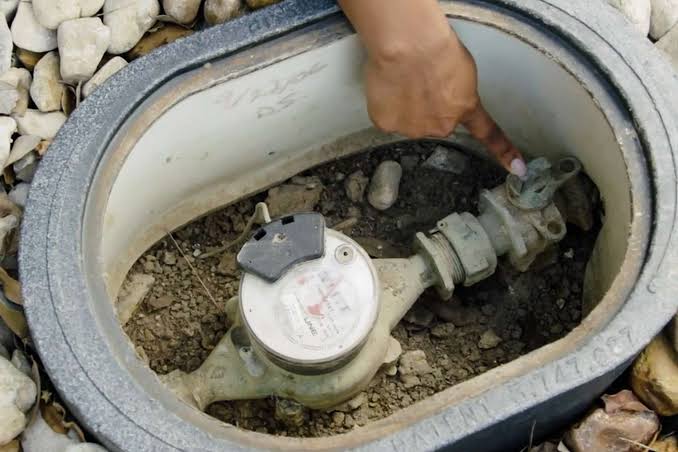
Check Whether the Main Valve Is Fully Open
A partially closed main shut-off valve can restrict water entering the property.
This can happen after plumbing work if a valve isn’t completely reopened. Someone may also have adjusted it without realising the effect it would have.
If you know where the main shut-off is and understand how it operates, check its position.
Don’t force a valve that’s seized, damaged or difficult to move. Older valves can deteriorate, and aggressive adjustment may cause another plumbing problem.
If you’re uncertain, leave it alone and have it checked professionally.
Find Out Whether Your Neighbours Have the Same Problem
Sometimes the problem isn’t inside your house at all.
Water utility work, a damaged supply main or another issue with the local network may temporarily affect pressure across several properties.
Ask a nearby neighbour whether they’ve noticed the same change. You can also check for notices or outages from the local water provider.
If several houses suddenly develop low pressure, that points towards a supply-side problem rather than an isolated fault within your plumbing.
Look for Signs of a Leak
A significant leak can reduce the amount of water reaching fixtures while wasting a substantial amount of water elsewhere.
Not every leak creates an obvious puddle in the middle of the floor.
Look for clues such as:
- Unexplained damp areas
- Water stains on walls or ceilings
- Unusually wet patches outdoors
- Sounds of running water when fixtures are off
- An unexplained increase in water use
- Sudden changes in pressure
If you suspect a major leak, knowing how to shut off the home’s water supply can help limit damage while professional assistance is arranged.
Ageing Pipes Can Restrict Flow
Older plumbing can develop problems internally.
Depending on the pipe material and water conditions, corrosion, mineral deposits and other forms of deterioration can gradually reduce the usable space inside a pipe.
From the outside, the pipe may appear normal. Inside, however, the passage available for water may have become considerably narrower.
This type of problem often develops gradually rather than overnight.
If pressure has been getting worse over months or years, the age and condition of the plumbing may be worth investigating.
A Pressure-Regulating Device May Be Involved
Some properties have devices designed to regulate incoming water pressure.
If a pressure regulator or similar component develops a fault, pressure throughout the property may become unusually low, high or inconsistent.
This isn’t something most homeowners can diagnose simply by looking at it.
A plumber can test the actual pressure and assess whether the relevant components are operating correctly.
Avoid randomly adjusting pressure-related equipment without knowing what you’re changing. Excessive water pressure can damage plumbing fixtures and appliances, so simply trying to “turn it up” isn’t a sensible diagnostic method.
Does the Problem Only Affect Hot Water?
If cold-water pressure seems normal but hot water is weak throughout the house, that changes the investigation.
The issue may be associated with the hot-water system or its related plumbing rather than the incoming supply to the entire property.
Check several fixtures to confirm the pattern.
Don’t dismantle or adjust unfamiliar hot-water equipment yourself. These systems may involve electricity, gas, high temperatures and pressurised water, making professional assessment the safer option when the cause isn’t obvious.
Pressure Can Drop When Several Fixtures Run
Some households notice reasonable pressure until two or three people use water simultaneously.
A shower might work well until the washing machine fills or someone turns on another tap.
Some reduction in performance can occur when demand increases, but a dramatic drop may indicate restrictions, supply limitations or plumbing that isn’t performing as expected.
Make a note of when the problem happens. That information can be useful during diagnosis.
Pay Attention to Sudden Changes
The timing of the problem matters.
Pressure that has gradually declined over several years suggests a different set of possibilities from pressure that disappeared yesterday afternoon.
If the change was sudden, think about what happened around the same time.
Was plumbing work recently completed? Has there been local utility work? Are there signs of a leak? Has anyone operated the main shut-off?
You don’t need to diagnose the entire system yourself. Your job is to gather useful clues without creating another problem.
Whole-house low water pressure can come from several places, and replacing a showerhead won’t help if the real issue is a partially closed valve, leaking pipe or restricted supply.
Test multiple fixtures, compare hot and cold water, check for obvious leaks and find out whether neighbouring properties are affected. If the cause still isn’t clear, have the system properly assessed.
Good water pressure should feel unremarkable. When you suddenly start noticing it every time you turn on a tap, that’s usually a good reason to find out what’s changed.