

If you’re a landlord, you already know how many things you’re expected to keep on top of. Boilers, paperwork, tenants coming and going, deposits, smoke alarms, repairs that always seem to happen at the worst possible time… it’s a lot. And somewhere in that long list sits electrical safety—something that’s easy to overlook until it suddenly becomes the only thing you’re thinking about.
At some point, every landlord ends up Googling things like Fulham Landlord EICR Certificates, Electrician in Fulham, Fulham Electrician, or maybe Electrical Fault Finding Fulham if something’s already gone wrong. But ideally, you want to understand the basics before you’re caught off-guard.
So, let’s talk about EICR checks in the most straightforward way possible—no jargon, no legal scare tactics, just the stuff landlords genuinely need to know.
What an EICR Really Is (Without the Complicated Bits)
An EICR—Electrical Installation Condition Report—is basically a health check for the wiring and electrical system in your property. Not the appliances themselves, not the lamps tenants bring with them, but the fixed wiring that belongs to the building.
Think of it like this:
If your property were a car, the EICR is the MOT.
Not a new paint job, not a detailed clean—just the essential safety checks.
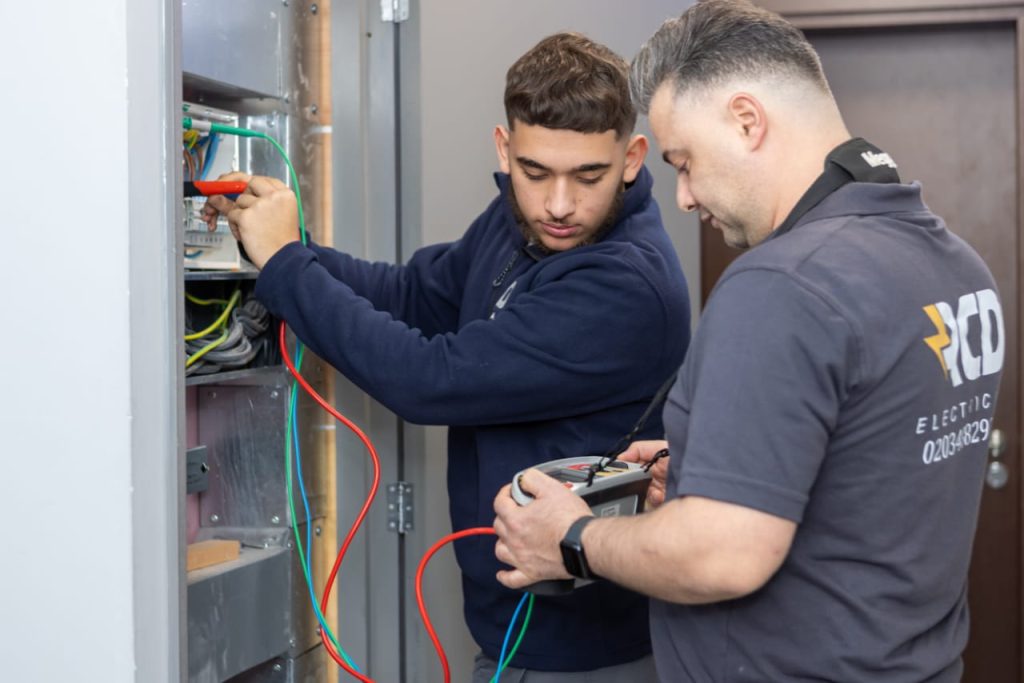
An electrician goes through the circuits, checks the earthing, tests the sockets, and makes sure nothing is overheating or hanging on for dear life. They aren’t there to judge your décor; they’re making sure your wiring isn’t plotting something behind the walls.
Why Landlords Need One (Besides the Obvious Legal Bit)
Yes, the law says you need an EICR at least every five years for rented properties. But the legal requirement is only half the story.
The real reason landlords should care is simple:
You don’t live in the property.
You’re not the one switching that lamp on and off every night.
You’re not the one who notices the buzzing sound from a socket.
You’re not the one who smells something slightly burnt when running the tumble dryer and cooker together.
Tenants don’t always report things.
Sometimes they don’t want to “bother you.”
Sometimes they assume it’s normal.
And sometimes they honestly don’t notice.
The EICR is your way of checking the property is still safe, even when you’re not there to keep an eye on it.
What an EICR Can Catch Before It Becomes an Emergency
Most electrical problems don’t explode into chaos overnight. They build slowly.
A wire loosening a little bit each year.
A socket wearing out after countless plugs.
Moisture creeping into a fitting without anyone realising.
Here are the kinds of things an EICR can reveal long before they turn into a “middle-of-the-night phone call” situation:
- Overloaded circuits
- Poor-quality older wiring
- Damaged sockets that still “look fine”
- Incorrect earthing
- Heat damage around fittings
- DIY jobs that should never have been DIY
It doesn’t take much for one small issue to turn into something dangerous.
Electricity is quiet right up until the moment it isn’t.
Tenants Feel Safer When You Take This Seriously
You can tell when a tenant feels like the landlord actually cares.
They’re more communicative, more respectful of the property, and quicker to report issues. When they know the electrics are professionally checked, it changes the relationship. It becomes less “landlord vs tenant” and more “we’re both trying to keep this place safe.”
Honestly, an up-to-date EICR is one of the easiest ways to build trust without saying a word.
It Also Saves You Money (Even Though It Doesn’t Feel Like It at First)
A lot of landlords only get the EICR because it’s required and try to do the bare minimum.
But here’s the thing: catching problems early almost always costs less.
For example:
A loose connection costs very little to fix.
A loose connection that overheats and damages a consumer unit?
That’s a different story—both financially and stress-wise.
Think of an EICR as preventative maintenance.
It’s not exciting, but it’s cheaper than repairing damage later.
What Actually Happens During the Inspection
Here’s what the electrician does in simple terms:
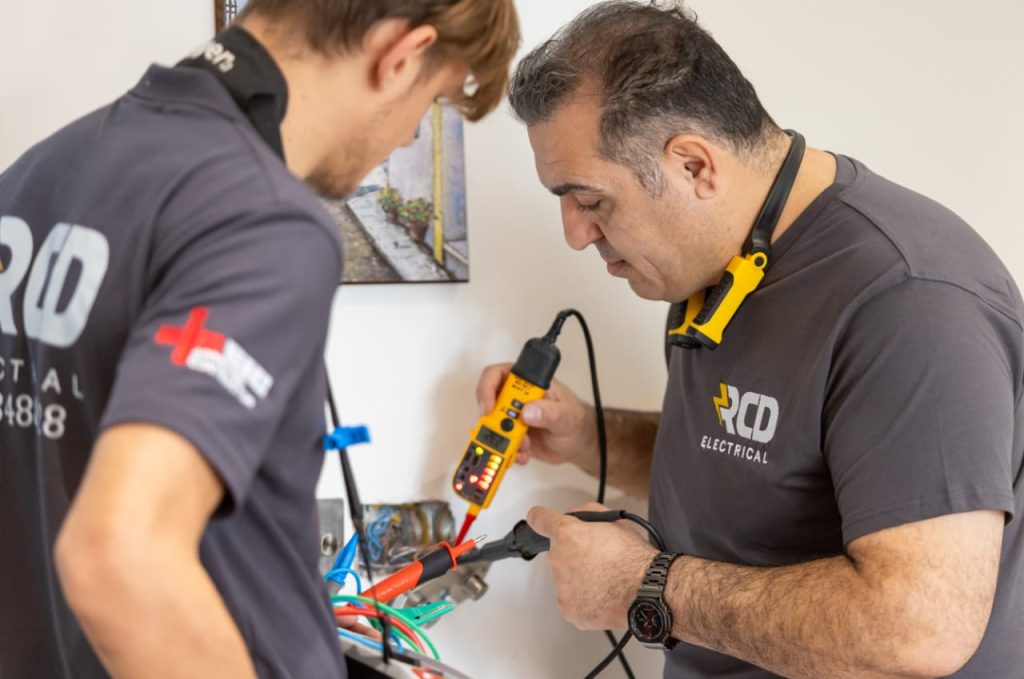
- Tests each circuit one by one
- Checks for overheating, loose wires, or damaged fittings
- Makes sure the earthing is correct
- Looks for signs of ageing in the wiring
- Tests the RCDs (the safety switches)
- Identifies anything that might become unsafe soon
Most of it is technical, but the outcome isn’t.
You get a report telling you if the installation is safe or not, and what—if anything—needs attention.
The codes are simple once someone explains them:
- C1: This is dangerous right now. Fix it immediately.
- C2: Not dangerous yet, but could become dangerous.
- C3: Not unsafe, but could be improved.
- FI: Needs further investigation.
You don’t need to memorise any of this.
You just need someone who explains the results clearly.
The Biggest Fear Landlords Have
A lot of landlords quietly admit the same worry:
“What if the electrician says the whole place needs rewiring?”
And yes, sometimes a property really does need a rewire—especially older flats or houses. But most of the time, it’s not that dramatic. Often, it’s a handful of fixes, small repairs, or upgrades to bring things up to standard.
A good electrician won’t scare you or push unnecessary work.
They’ll show you the issue, explain why it matters, and give you realistic options.
A Final Thought for Landlords
Electrical safety isn’t one of those things you want to gamble on.
As a landlord, you’re responsible not just for the building, but for the people living inside it.
An EICR is simple.
It’s affordable.
It’s predictable.
And it takes away a huge amount of risk you don’t want on your shoulders.
If you keep your EICR up to date and deal with small issues before they grow, you’ll avoid the majority of the stressful electrical problems landlords tend to face.
It’s one of those quiet, responsible habits that just makes everything easier.