

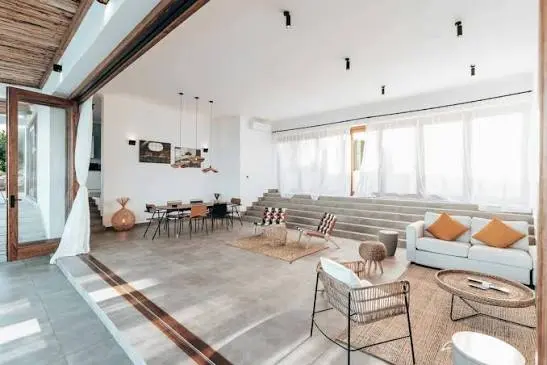
Open floor plans look great in photos, but they come with a hidden problem. Air does not stay put in a big room the way it does in a small bedroom. Dust drifts, pet dander travels, and cooking smells linger far longer than you would expect. That is exactly why an air purifier built for large open spaces has become a must have item for homeowners who love their spacious layouts but hate the stale air that comes with them.
The Problem With Standard Purifiers in Big Rooms
Most air purifiers on the market are designed with small bedrooms or offices in mind. Place one of those units in a 600 square foot living area and you will notice it struggles. The fan runs constantly, the filter clogs faster than it should, and the air near the corners of the room barely gets touched. A unit rated for a small space simply cannot move enough air to make a real difference in a large one.
This mismatch is one of the most common reasons people feel disappointed after buying their first air purifier. The unit runs, the light indicates it is working, yet the room still smells faintly of last night’s dinner or feels dusty within a day of cleaning. The issue rarely lies with the purifier’s quality. It lies with sizing it correctly for the space it needs to cover.
What Makes a Large Room Purifier Different
A purifier designed for open concept living rooms, lofts, and combined kitchen dining areas usually has a higher clean air delivery rate, often shortened to CADR. This number tells you how much filtered air the machine pushes out every minute. For big spaces, you want a unit that can cycle the entire room’s air several times an hour, not just once.
These machines also tend to use multi stage filtration. A pre filter catches larger particles like hair and lint. A HEPA filter grabs the tiny stuff, including pollen and mold spores. Some models add an activated carbon layer to handle odors from cooking, pets, or smoke. If you are researching options, Airdog’s collection built specifically for large rooms shows how manufacturers are now designing units around square footage rather than a one size fits all approach.
Beyond filtration, many large room purifiers also feature stronger motors capable of running continuously without overheating or losing efficiency. This matters considerably for open spaces, where the unit often needs to run for extended periods throughout the day rather than cycling on and off briefly like it might in a smaller, more contained room.
Real Life Situations Where This Matters
Think about a family with an open kitchen that flows into the living room. Every time dinner is cooking, grease particles and smoke drift straight into the seating area. A properly sized purifier placed near the kitchen boundary can pull that air in before it settles into fabric couches and curtains.
Or picture a home office set up inside a converted garage or basement with high ceilings. These spaces often trap dust from unfinished areas nearby. A large capacity purifier keeps that air circulating so you are not breathing stale, particle heavy air during long work sessions.
Households with pets face a similar challenge in open layouts. Dander and hair spread easily across a large, connected floor plan, settling into areas far from where the pet actually spends most of its time. A purifier sized appropriately for the full space helps address this spread rather than only managing air quality in one isolated corner.
Tips for Choosing the Right Unit
Start by measuring your space in square feet, then check the manufacturer’s recommended coverage area. It is smart to size up rather than down, since a purifier working below its capacity runs quieter and lasts longer.
Pay attention to noise levels too. A powerful unit running on high speed all day can be distracting in a shared living space. Look for machines with a low decibel rating on their medium or auto settings.
Filter replacement cost is another factor people overlook. Larger purifiers often need bigger, pricier filters, so factor that into your long term budget before buying. It also helps to check how often filters typically need replacing, since this varies considerably between models and directly affects the true ongoing cost of ownership.
Placement Makes a Real Difference
Even the best purifier will underperform if it is tucked into a corner behind furniture. Give the unit open space around it so air can flow freely in and out. Central placement, or positioning near the source of pollutants like a kitchen or a pet’s favorite lounging spot, tends to produce the best results.
For particularly large or irregularly shaped open spaces, some households find better results using two smaller units placed strategically rather than one oversized unit in a single location. This approach can improve overall air circulation throughout the entire space more evenly than relying on a single point source.
A Smart Investment for Healthier Living
Clean indoor air affects more than just allergies. It influences sleep quality, focus, and overall comfort at home. For open concept spaces, choosing a purifier that matches the room’s actual size is not a luxury, it is a practical decision that pays off every single day. If your living area feels stuffy or dusty no matter how often you clean, it might be time to upgrade to a purifier that was actually built for the job.
Frequently Asked Questions
How do I know if my current purifier is too small for my space?
If you notice dust settling quickly after cleaning, lingering odors that never fully clear, or a purifier that runs constantly on high without visible improvement, it is likely undersized for your room.
Can one large purifier really cover an entire open floor plan?
It depends on total square footage and layout. A single well sized unit can often cover an open concept living and dining area, but very large or irregularly shaped spaces sometimes perform better with two units placed strategically.
How often should filters be replaced in a large room purifier?
This varies by model and usage, but most HEPA filters need replacement every six to twelve months, while pre filters may need more frequent cleaning depending on dust and pet hair levels in the home.
Will a large purifier be too loud for everyday use?
Not necessarily. Many large capacity models are engineered to run quietly on medium or auto settings, reserving higher noise levels only for boost modes during heavy pollution events.
Where is the best place to put a purifier in an open concept room?
Central locations with open space around the unit tend to work best, though placing it near a specific pollutant source, like a kitchen, can also improve targeted performance.