

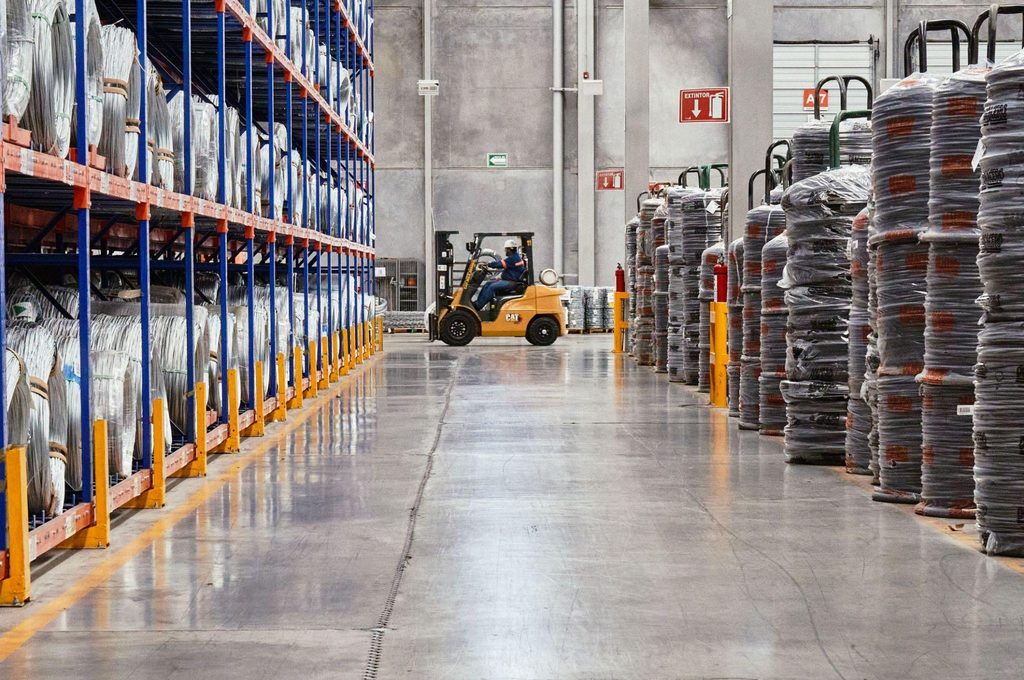
Walk through almost any warehouse at the end of a long shift and you’ll see the same quiet frustration: a pallet that doesn’t match its paperwork, a driver waiting while someone re-weighs a load, a supervisor squinting at a display that has drifted since spring. None of these problems look dramatic on their own. Together, they cost warehouses hours, money and customer goodwill every single week.
The good news is that most weighing errors come from a short list of habits, and almost all of them can be fixed without a big budget. Here are the mistakes that show up most often, and what to do about them.
Mistake one: Treating the scale as a “set and forget” tool
A scale feels like furniture. It sits on the floor, it shows a number, and nobody thinks about it until something goes wrong. But load cells age, platforms take knocks from forklifts, and temperature swings nudge readings over time.
A scale that was perfect on installation day can be off by a meaningful margin a year later. The fix is simple: schedule calibration at regular intervals, and keep a record of when it was done. Many warehouses tie it to a quarterly or six-monthly routine, and add an extra check after any heavy impact or relocation.
Mistake two: Skipping the daily sanity check
Formal calibration is important, but it doesn’t replace a quick daily look. Before the first shift, place a known test weight on the scale and see whether the reading holds. It takes less than two minutes. If the number is off, you catch the problem before it touches a single shipment, rather than discovering it after fifty.
Keep the test weight in a locked spot near the scale so it doesn’t wander off or get used as a doorstop. It happens more often than anyone admits.
Mistake three: Ignoring the floor and the environment
Scales are sensitive to where they sit. An uneven floor, a vibrating conveyor nearby, or a draught from a loading dock door can all disturb readings. Platform scales placed on a slight slope will rarely give consistent results; however good the equipment is.
Before installing, check that the surface is flat, solid and free from vibration. Keep the area around the platform clear, because debris trapped under or beside the scale can press against the frame and add phantom weight. A weekly sweep underneath is a small chore that pays for itself.
Mistake four: Overloading and abusing the equipment
Every scale has a rated capacity, and most also have a safe overload limit. Pushing past it, even briefly, can damage load cells in ways that aren’t visible. Dropping pallets onto a platform rather than placing them is another quiet killer. The scale may still show a number, but that number is no longer trustworthy.
The practical answer is training. Make sure forklift operators and floor staff know the capacity, and mark it clearly on the scale itself. A bright label costs almost nothing and prevents expensive repairs.
Mistake five: Choosing the wrong scale for the job
This is the mistake that starts everything else. A warehouse buys a scale because it was cheap, or because a previous employer used one, and then discovers it’s too small, too slow or not precise enough. Choosing the right weighing scale means looking honestly at what you handle every day.
Ask yourself a few questions. What is the heaviest item you’ll weigh, and what is the lightest? How precise do the readings need to be? Will the scale live indoors or out? Do you need it to connect to inventory software? A floor scale that suits bulk pallets is a poor choice for counting small parcels, and the reverse is equally true. Working through these points before buying saves a great deal of regret afterwards.
Mistake six: Weighing without recording
Plenty of warehouses weigh carefully and then write numbers on scraps of paper. Handwritten figures get lost, misread or typed in wrong. Every transfer from paper to system is another chance for error.
Modern indicators can send weights straight to a computer or warehouse management system. Even a basic export to a spreadsheet cuts mistakes sharply and gives you an audit trail if a customer ever disputes a delivery. If you’re still writing on clipboards, this may be the cheapest improvement you can make.
Mistake seven: Forgetting about tare
Tare, the weight of the pallet, container or packaging, is one of the most common sources of silent error. Someone forgets to zero the scale, or applies the wrong tare value, and the whole batch is out by the same amount. Because the error is consistent, it can go unnoticed for weeks.
Build tare checks into your routine. Label pallets with their empty weight where possible, and make zeroing the scale a standard first step, not an optional extra. If different pallet types are in circulation, agree on a clear system for identifying them.
Mistake eight: Not training everyone who uses the scale
A scale is only as good as the person standing at it. New starters often learn by watching a colleague, which means one person’s bad habit becomes everyone’s habit. Spend half an hour showing people how to zero, how to place loads centrally, and what to do if the reading looks strange. Centred placement matters more than people realise, since off-centre loads can skew results on some platforms.
Mistake nine: Buying from a supplier who disappears
Equipment support matters as much as the equipment. When a scale needs recalibration or a spare part, you want someone who picks up the phone. This is where specialist providers such as Meltrons are worth a conversation, particularly if you’re comparing Warehousing Weighing Solutions and want a partner who understands day-to-day warehouse pressures rather than just selling a box. Ask about service response times, availability of parts and whether calibration support is offered locally.
Bringing it together
None of these mistakes are exotic. They come from busy people working under pressure, using equipment that looks simple enough to ignore. The warehouses that avoid them tend to share a few traits: they choose equipment carefully, they check it daily, they train their staff, and they record everything.
Start small. Pick one habit from this list, perhaps the daily test weight, and make it routine this month. Then add another. Accurate weighing isn’t glamorous, but it quietly protects your margins, your customer relationships and your team’s patience.