

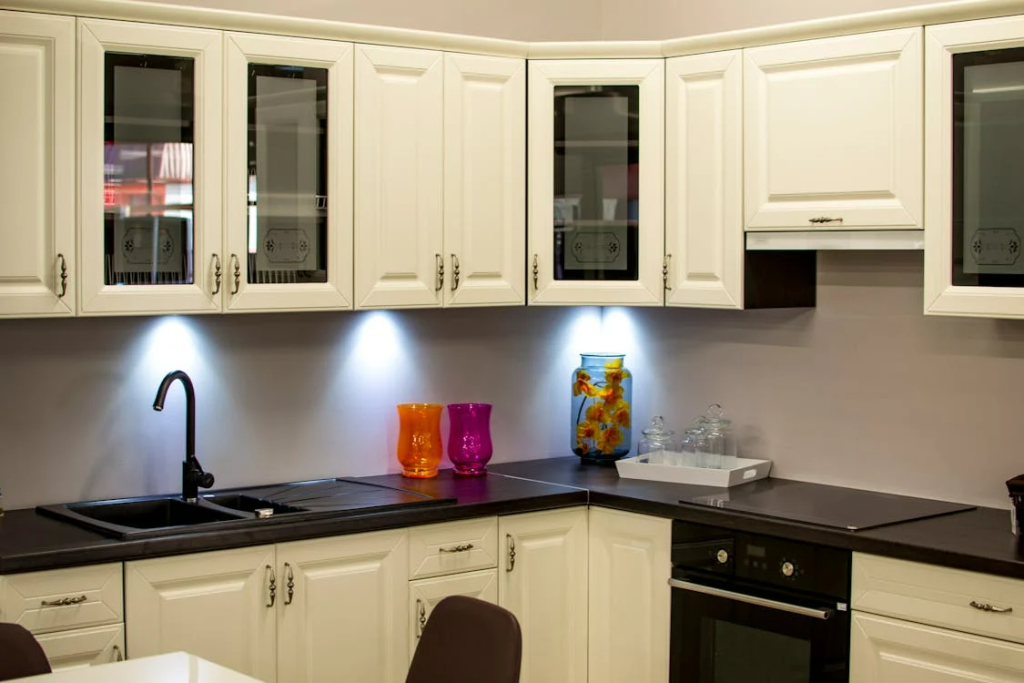
Modern kitchen design work has moved beyond simply choosing fashionable cabinetry and utilising popular materials for countertops. Australian households exhibit a beautiful range of diversity through their various family arrangements, cultural traditions, cooking enthusiasm and their special religious and lifestyle requirements. The design of a kitchen needs to function according to your daily activities, cooking methods, and socialising patterns.
The outcome of planning work depends entirely on the details that planners select for their projects. Your kitchen space will function perfectly for your home through the combination of optimal design elements, efficient storage solutions and expert kitchen designer support.
Understanding How Your Household Uses the Kitchen
Before selecting colours and appliances, multiple essential questions must first be addressed. Who uses the kitchen most? Do you use the space mostly for fast cooking, or do you prefer to cook with your family during extended meal times? Do several individuals work together to prepare food in the kitchen?
Larger families require the kitchen to provide additional space for food preparation, whilst apartment dwellers require a design that provides maximum functionality within a confined space. By being aware of their habits, a kitchen can be designed to make their lives feel more natural and relaxed.
Smart Layouts That Improve Daily Flow
The layout acts as the fundamental foundation upon which a kitchen can run efficiently. The most common styles used in Australia comprise three different kitchen designs, which refer to the L-shape, U-shape, and open-plan kitchen that opens directly into living spaces.
Expert kosher kitchen designers can develop work triangles, and their design determines different food and appliance zones in the kitchen that meet the needs of different households. The design intends to create efficient pathways that allow quick access to all items needed for work.
Storage Solutions That Reduce Clutter
Do you always feel as if the kitchen is crowded for space? Cleverly designed storage can turn the whole story around. Pull-out pantries, deep drawers, corner solutions, or vertical storage will help you keep organised.
There are special cabinets that offer storage options for specific needs that their users may have. It may be helpful in kitchens where the special needs of the users dictate an organisation that supports both function and mental peace.
Appliances That Match Your Lifestyle
Different households require different kitchen appliances. Some homes need more than one oven, dedicated refrigeration systems and separate cooking areas for their food preparation. The selection of kitchen appliances should be based on your cooking frequency and cooking volume to achieve better kitchen performance and user convenience.
Kitchen designers ensure that kitchens involve all kitchen appliances to ensure that they not only maintain functionalities but also retain their stylish looks.
Designing for Comfort, Safety, and Longevity
In the case of the kitchen, the space has to provide comfort to all the users of the space. The comfort from the safety point of view is attained through the provision of soft-close drawers, a nonslip floor, lighting, and easy-to-clean surfaces.
Australian homes require materials that provide both durability and aesthetic value. The construction materials of your kitchen should have the ability to resist both heat and moisture and heavy daily usage to maintain kitchen functionality throughout multiple years.
Conclusion
A functional kitchen design requires a residential needs assessment instead of using universal design trends. Your daily activities should determine all elements of your home design, which includes layouts, storage options, and appliance selection. Australian households achieve beautiful yet functional kitchen spaces through collaboration with experienced kitchen designers who create organised environments that suit their daily life needs!