
Cottage owners often wonder if their water system is working properly. Home test kits provide clear answers about bacteria levels and water safety. Testing before and after UV installation shows exactly how this treatment changes the water quality. These simple checks confirm that the desired protection is working as expected.
UV water treatment system Canada installations should always include baseline testing and follow-up verification. Most cottage owners start with basic coliform tests from local health units or mail-in lab kits. The results before treatment often show positive bacteria counts, especially in spring after ice-out or following heavy rain. After UV installation, properly functioning systems should show zero detectable coliform bacteria when tested correctly.
Understanding Your Baseline Water Test
Initial Testing Reveals Hidden Risks: Many cottage water sources look clear but harbour bacteria that standard filtration cannot remove. A basic coliform test costs around $30-50 and takes 24-48 hours for results. Wells near septic systems, shallow dug wells, and lake intakes frequently show positive results. The test identifies total coliform and E. coli specifically, with E. coli indicating recent faecal contamination.
Turbidity Affects Treatment Success: Water clarity matters because UV light cannot penetrate cloudy or discoloured water effectively. Test kits measure turbidity levels using simple visual comparisons or basic meters. Readings above 5 NTU mean pre-filtration is needed before UV treatment. Tannins from organic matter, iron staining, and sediment all block UV penetration and reduce bacteria kill rates.
Source Water Variability Creates Challenges: Lake water quality changes with seasons, rainfall, and algae blooms. Well water remains more stable but can shift after flooding or nearby construction. Testing multiple times before UV installation helps identify patterns and worst-case conditions. This information guides proper system sizing and pre-filtration requirements for year-round protection.
What Happens During UV Treatment
How Light Destroys Bacteria: UV systems use 254-nanometre wavelength light to damage bacterial DNA so organisms cannot reproduce. The process happens instantly as water flows through the chamber. Properly sized systems provide the right contact time and UV dosage for complete disinfection. Flow rates matter because water moving too quickly does not get enough UV exposure.
Dosage Requirements for Safe Water: Health Canada recommends minimum 40 mJ/cm² UV dosage for drinking water disinfection. Most residential systems deliver 60-100 mJ/cm² to account for lamp aging and water quality variations. The chamber design, lamp intensity, and flow rate all determine actual dosage. Systems include indicators showing lamp operation and often alarms for failures.
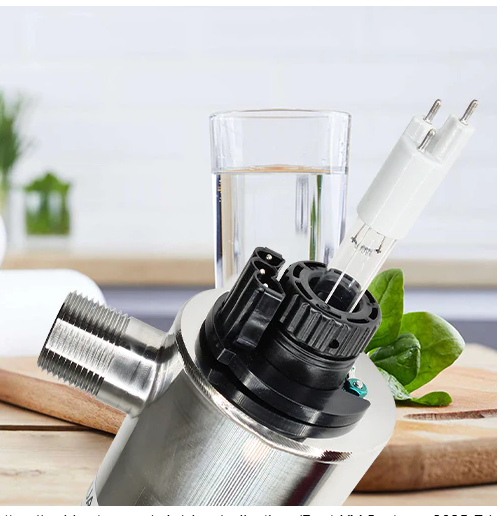
System Components Work Together: The quartz sleeve surrounding the UV lamp must stay clean for light transmission. Pre-filters remove particles that would shadow bacteria from UV exposure. Pressure switches prevent flow when the lamp is off. Each component plays a role in reliable disinfection performance that testing can verify.
Post-Treatment Testing Protocol
When to Test After Installation: Wait 24-48 hours after UV system startup before collecting samples. This allows the system to stabilise and ensures proper operation. Take samples from a tap downstream of the UV unit, not before it. Run the tap for 2-3 minutes before collecting to flush standing water from pipes.
Proper Sample Collection Technique: Use sterile bottles provided by the lab or health unit. Remove tap aerators to prevent contamination from trapped bacteria. Flame metal taps briefly or wipe plastic ones with alcohol. Fill bottles without touching the inside or rim. Keep samples cool and deliver within 6 hours for accurate results.
Interpreting Your Results
Zero Coliform Means Success: A negative test shows no detectable bacteria in the 100ml sample tested. This confirms the UV system is working properly and water is microbiologically safe. Most systems achieve this result immediately when properly installed and maintained. Repeat testing every 3-6 months verifies ongoing protection.
Positive Results After Treatment Signal Problems: Bacteria detected after UV treatment indicates issues needing immediate attention. Common causes include:
- Lamp failure or reduced output from aging bulbs that need replacement.
- Fouled quartz sleeve blocking UV light transmission to flowing water.
- Flow rate exceeding system capacity during peak demand periods.
- Bypassed UV unit or sampling from the wrong location upstream of treatment.
- Pre-filtration failure allowing high turbidity to block UV penetration.
Comparing Before and After Numbers: Baseline tests often show 10-200+ coliform colonies per 100ml sample. After proper UV treatment, counts drop to zero. This dramatic change proves the system is eliminating bacteria effectively. Keep records of all tests to track system performance over time and identify developing issues early.
Seasonal Testing Considerations
Spring Testing After Ice-Out: Cottage water systems face highest contamination risk when seasonal use resumes. Stagnant water in pipes, disturbed sediment, and spring runoff all increase bacteria levels. Test within the first week of opening to establish baseline conditions. Retest 48 hours after UV startup to confirm treatment effectiveness.
Summer Monitoring During Peak Use: Heavy cottage traffic, increased water demand, and warm temperatures can stress treatment systems. Monthly testing during July and August catches problems before they cause illness. Watch for changes in water appearance or taste that might indicate filter exhaustion or system issues.
Autumn Shutdown Testing Protects Investment: Testing before closing the cottage for winter confirms the system performed well all season. Clean results mean proper winterisation will leave everything ready for next year. Any bacteria detected suggests maintenance needs before storage to prevent biofilm buildup over winter months.
Conclusion
Regular testing transforms UV water treatment from hope to verified protection. Simple home test kits show exactly what is happening to water quality before and after disinfection. The peace of mind from seeing zero bacteria counts makes testing worthwhile. Professional water treatment specialists can help interpret results and optimise system performance for consistently safe cottage water.