

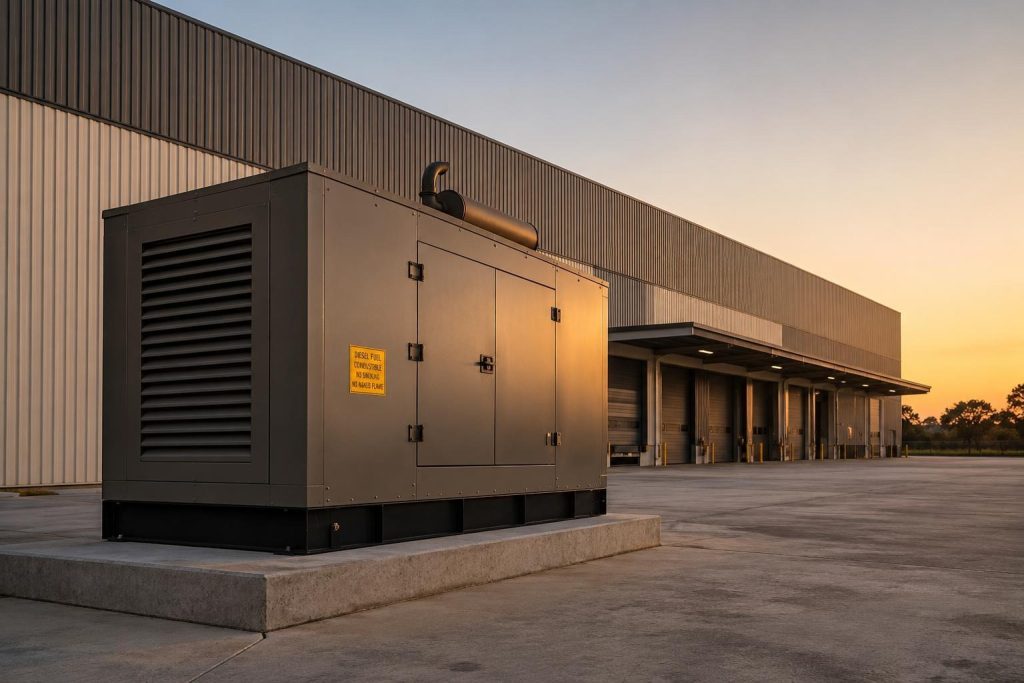
A storm rolls through, the grid drops, and a 200,000 square foot distribution center goes dark at 2:14 AM.
Dock doors freeze mid-cycle, conveyors halt with cartons still on the belt, refrigeration zones start their slow climb toward spoilage, and scanners across the floor blink offline. The backup generator outside should already be roaring.
Failures like that one show up in logistics records every year, and the reports that follow rarely look alike on the surface.
Different facilities run different equipment, different fuel types, different generator sizes. One variable kept appearing across the records anyway: maintenance consistency.
Research on emergency diesel units found that well-maintained generators lasted over twenty times longer in continuous run performance than systems left under inconsistent care.
Why Generator Failure Hits Logistics Operations Harder Than Many Expect
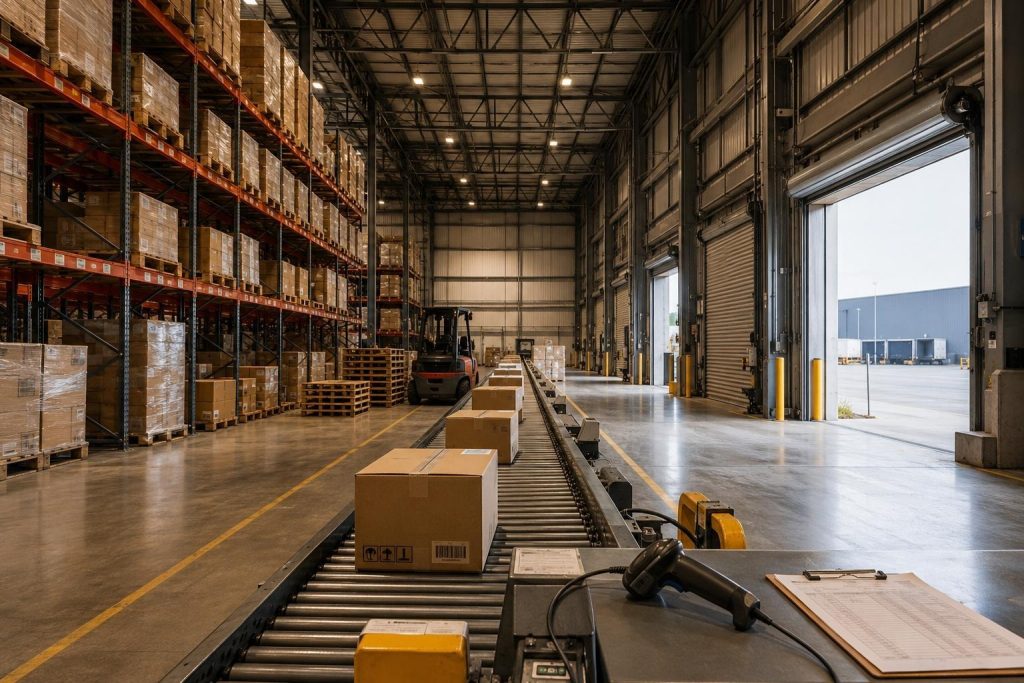
Distribution centers run on uninterrupted power in ways most office buildings do not. Dock levelers, conveyor belts, refrigerated zones, warehouse management systems, barcode scanners, and security infrastructure all draw from the same line.
When that line drops and the backup hesitates, the consequences stack quickly. Shipments miss their windows, drivers idle in yards waiting on loads, overtime labor begins accumulating before the lights come back on, and downstream customers start calling.
Within the first hour of a failed start, the operational chain reaction compounds across labor schedules, fulfillment queues, and customer service inboxes.
Failure Records Across Logistics Sites Revealed One Repeat Pattern
Reviewing failure reports across warehouses, fulfillment hubs, and transport facilities, the same theme kept surfacing: maintenance consistency.
NREL reliability analysis found that maintenance practices carried a heavier influence on generator dependability than equipment differences. Several maintenance gaps showed up across the records.
Missed inspection schedules
Quarterly walkthroughs slipped to twice a year, then once, then to whenever someone remembered. Each delay let small issues compound undetected.
Delayed load testing
Generators that performed adequately under light test loads stumbled when asked to carry a real facility load during an actual outage.
Fuel system neglect
Diesel sitting in tanks for months developed water contamination, microbial growth, and sediment that clogged injectors at startup.
Weak battery maintenance
Starter batteries quietly lost capacity, and the unit that cranked perfectly last summer refused to turn over six months later.
The Maintenance Variable That Quietly Raises Downtime Risk
Preventive maintenance cycles tend to be the first thing trimmed when facility teams get stretched thin. Skipped inspections become reactive repairs.
Reactive repairs leave documentation gaps. Documentation gaps make the next round of testing harder to plan.
The cycle compounds, and a generator can sit untouched inside a warehouse mechanical yard for the better part of a year before anyone notices.
The unit then has to perform during the exact moment its performance matters most. A 2020 emergency diesel generator study found that poorly maintained systems carried roughly a 50 percent chance of failing within the first 48 hours of an extended outage. Half the time, the backup did not make it through the second day.
What Logistics Teams Can Learn From Generator Reliability Data
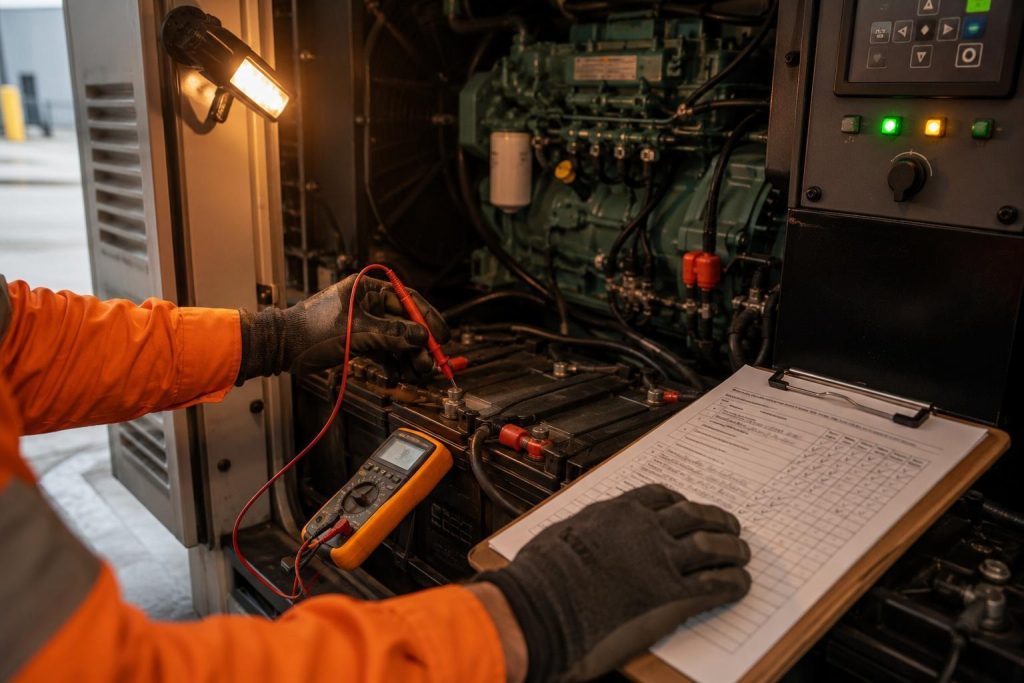
A handful of practices come up repeatedly in the records of facilities that kept their backup systems running. NFPA 110 maintenance standards outline monthly and annual test protocols that map closely to the habits found in reliable operation logs.
Test systems under real operating loads
Light test loads hide weaknesses that only appear when refrigeration compressors, conveyor motors, and dock equipment all pull at once.
Track battery condition
Voltage checks, electrolyte readings where applicable, and load tests on the starter circuit catch decline before it shows up as a no-start.
Monitor fuel quality
Periodic polishing, water checks, and biocide treatment keep stored diesel viable through long quiet stretches between runs.
Keep maintenance logs centralized
Records scattered across emails, paper binders, and one technician’s clipboard make patterns nearly impossible to spot. A single shared log makes the gaps visible. Field technicians who service emergency systems regularly point to fuel contamination and battery wear as the two preventable failures they see most often.
Why Preventive Planning Matters More Than Emergency Repairs
The reliability gap between consistent care and neglected systems is wider than most operators expect.
NREL data placed startup reliability for well-maintained units at roughly 99.87 percent, while systems with poor maintenance histories slipped to 98.35 percent.
Spread across hundreds of annual start events at a large logistics operation, that small percentage difference translates into meaningful exposure.
Emergency repairs during an active outage almost always arrive late. By the time a technician is on site with parts, shipments have already missed cutoffs, labor schedules are already disrupted, and customer service teams are already fielding calls. Prevention sits weeks earlier in the timeline, when the cost is a scheduled inspection.
Planning Backup Power Around Growth and Facility Demands
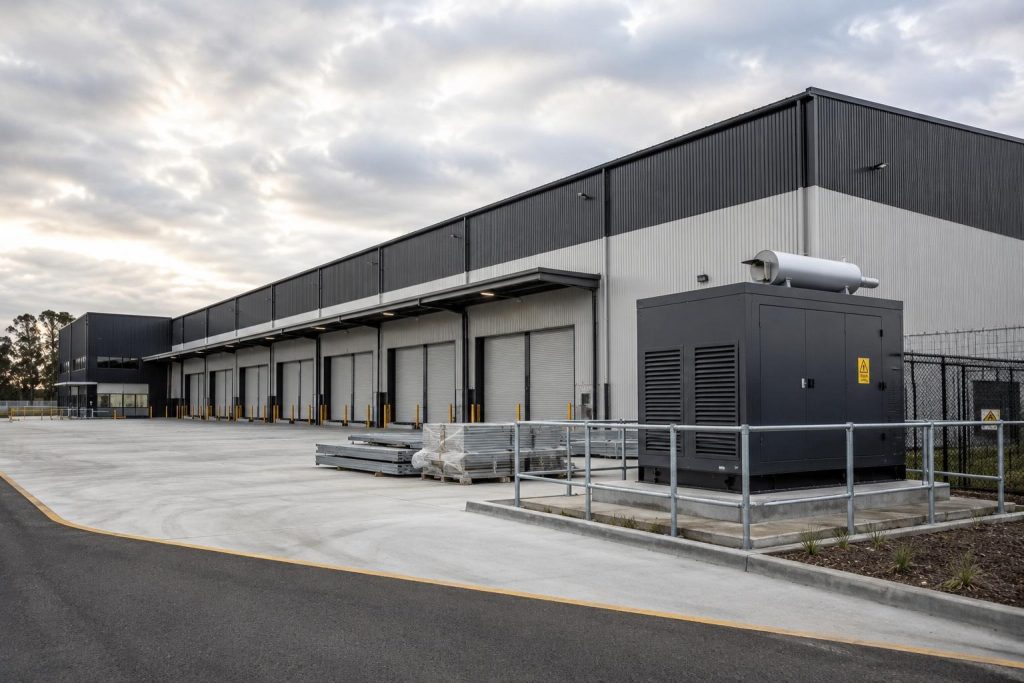
Facility footprints rarely stay still. A 50,000 square foot operation that adds two refrigerated bays and a third shift draws power differently than it did at launch.
As logistics networks expand into larger warehouses and multi-site operations, many teams review whether existing backup systems still match operational demand and begin evaluating commercial generator installation services for long-term reliability planning.
Older generators sized for the original building load can run hot, run incomplete, or trip protection circuits when the connected load grows past their comfort zone. Expansion conversations tend to surface the same questions.
Does the unit still fit the current load profile? When was the last full load test? What does the maintenance log actually show?
Small Maintenance Gaps Often Create Large Operational Problems
Generator failures appear sudden from the outside. The records consistently trace them back to a task skipped in March, a fuel sample never taken in June, a battery replacement deferred to the next budget cycle in September. The outage in November simply revealed what was already true.
Facility audits, scheduled maintenance reviews, and backup power readiness checks are the work that prevents the 2:14 AM phone call.
Logistics operations that treat the generator as a quiet partner needing regular attention spend less time explaining missed shipments to customers the morning after.