

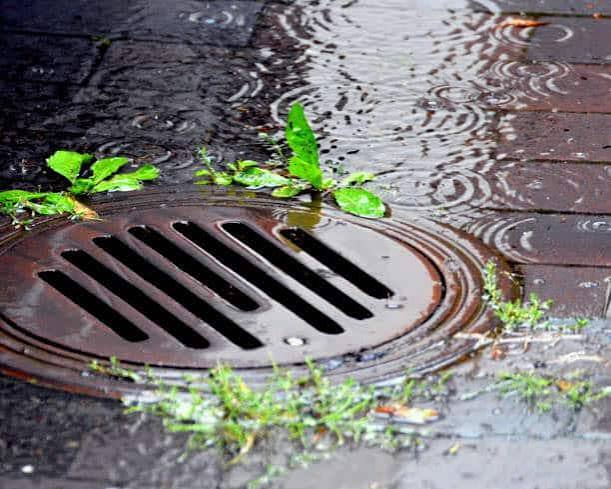
Behind the walls, beneath the floors and in the ground is a silent worker in every house: the drainage system. So much of the system is invisible that issues may fester for weeks or months before evident symptoms arise. You may have a broken pipe underground that is slowly leaking, but the sink is still draining regularly, or a little clog that is slowly building into a significant blockage.
Recognising some of the less visible drainage issues may help homeowners notice odd changes early and prevent the danger of significant plumbing or property damage.
Pipe Blockages Develop Gradually
Not all clogged drains stop water flowing right away. A lot of blockages form gradually as oil, soap residue, food bits, hair and other debris build up within pipes.
It may take a little longer for water to go away at first. The change might be so slow that household members become used to it. Eventually, however, the available area within the pipe gets limited enough to hinder drainage considerably.
Kitchen sinks often have a special problem with fats and cooking oils flowing into the drains. Even when hot water is sent down, oil might cool deeper down the pipe and attach to its inner surface.
Tree Roots Taking Over Underground Pipes
Tree roots may cause entirely concealed drainage issues beneath the surface. Roots have an instinctive need to grow towards sources of moisture. A little fracture or weak connection in a pipe might be an entrance site.
Inside, roots may keep growing and capture toilet paper, garbage and other things passing through the drainage system. This may lead to reduced flow over time and repeated obstructions.
Properties with old trees and established gardens might be especially vulnerable. If you’re experiencing recurring drainage issues with no clear indoor reason, it may be time to investigate your subterranean pipe conditions more thoroughly. The signs of drainage issues may be evaluated by skilled plumbers in Parramatta, who can also decide if additional piping examination is necessary.
Small Leaks Below Earth
If a drainage pipe does not collapse entirely, this might create difficulty. Wastewater may escape via small cracks, broken joints, or displaced pieces into the surrounding soil.
Since the leak is below ground, there may be no visible water inside the home immediately. Possible indicators might include particularly moist spots in the yard, foul aromas, soft ground, or patches of flora that seem greener than their surroundings.
If left unattended, an underground leak may result in the displacement of the soil and additional damage to the drainage line in question.
Ground Movement Damaged Pipes
Underground pipes are affected by varying soil conditions over their operational life. Ground movement, building activities, soil settling and pressure from surrounding roots may all cause drainage pipes to be progressively shifted.
When a pipe slips out of alignment, a low section may form where wastewater and debris might accumulate rather than flow effectively. Even when the remainder of the drainage system is in decent shape, these parts might become persistent problem locations.
Older houses may also have drainage materials that have broken down over the years, so inspections may be especially useful when mysterious issues keep happening.
Hidden Dangers Of Overflow And Backflow
Drainage systems are meant to remove wastewater from the property. When the main drainage line is badly blocked, wastewater may start to flow in an undesirable direction.
Subtle early signs are common. A toilet might bubble when a neighbouring sink is emptied, water levels can fluctuate suddenly, or a floor drain can make odd noises. These symptoms may suggest that air and water are having difficulty moving regularly through the system.
If the limitation is bad enough, wastewater might ultimately back up via toilets, showers, sinks or floor drains. Addressing early indicators of caution may assist in avoiding a much more disruptive scenario.
Unexplained Odours
It is not always a simple cleaning problem when you have persistent drain odours. Sometimes bad odours might signal that trash is stuck, drainage pipes are broken, there are ventilation difficulties, or plumbing traps are not working correctly.
A smell that goes away after cleaning but keeps coming back may indicate you have a problem deeper in the drainage system. The location and time of the scent might be important clues in determining the source.
Focus On The Little Things
Hidden drainage issues seldom express themselves loudly at the start. Instead, homeowners could see little changes like slower drainage, odd gurgling, strange odours, moist ground or obstructions that keep recurring.
Little signs like this can make a big difference if you notice them. Everyday attention, logical waste disposal, and prompt expert evaluation may assist in finding drainage issues before they become severe interruptions. Although a plumbing system may generally be out of sight, its tiny alterations should never be out of mind.