

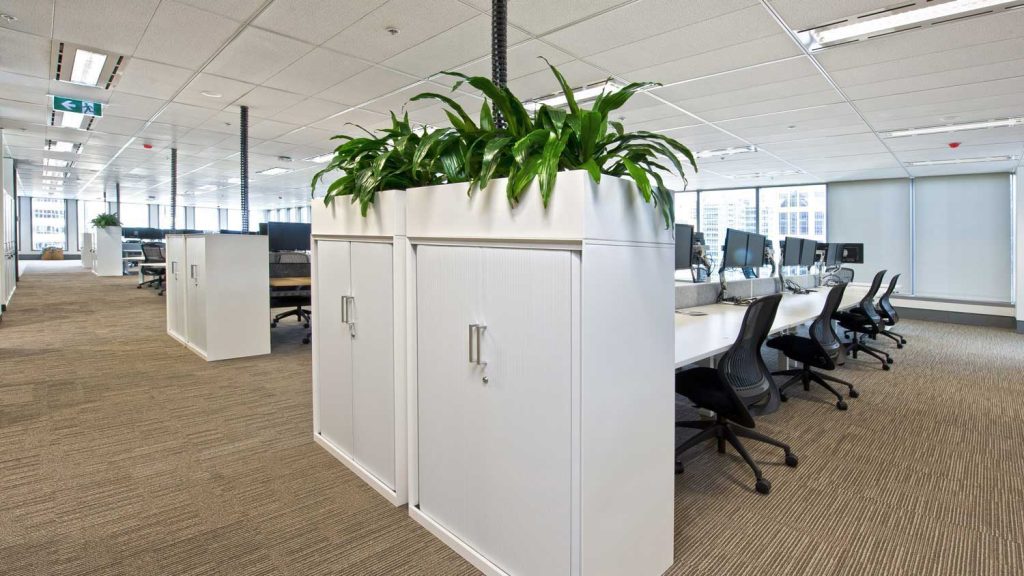
Clutter is not just an aesthetic problem. It is a thinking problem. Research from Princeton University found that physical clutter competes for your attention and reduces the brain’s ability to process information. In a workspace, that means every pile of paper, every overflowing shelf, every cable tangle is actively slowing you down. Smart office storage solutions do more than tidy a space — they protect cognitive focus. The office that is organised is the office where real work happens. Here is why storage deserves the same serious thought as any other investment you make in your workspace.
What Does Clutter Actually Do to Workplace Performance?
It taxes the brain. Constantly. A cluttered environment keeps the visual cortex busy processing irrelevant information. That is cognitive bandwidth that should be spent on actual work.
A 2011 study in the Journal of Neuroscience confirmed that multiple objects in the visual field compete for neural representation. In plain terms — a messy desk makes it harder to think clearly. Workers in disorganised environments make more errors and take longer to complete tasks.
The fix is not more willpower. The fix is better systems. When things have a dedicated place, they go back there. The brain stops managing the mess and starts managing the work.
What Types of Office Storage Actually Work in Modern Offices?
The ones that match how people actually work, not how an architect imagined they would. Open shelving looks clean in a showroom but collects clutter fast in a real office. Enclosed storage — drawers, lockable cabinets, tambour units — keeps surfaces clear automatically.
Mobile pedestals are one of the most underrated pieces of office furniture. They sit under a desk, they move with the person, and they keep everything within reach without taking up surface space. In open-plan offices, a personal pedestal means each worker has a dedicated zone for their belongings even without their own fixed desk.
Vertical storage matters in compact offices. Going up the wall instead of across the floor recovers floor space that can be used for movement, which itself improves energy and focus across the day.
How Does Storage Tie Into Office Layout Planning?
Completely. Storage is not the afterthought you add once the desks are placed. It is part of the layout logic from the start. Where things are stored determines where people walk. Where people walk determines traffic patterns. Traffic patterns determine how often people are interrupted.
A centralised storage zone in an open-plan office creates natural quiet boundaries. Teams that need focus work away from the traffic. Teams that collaborate regularly work closer to shared resources. None of that planning works if storage is an add-on.
According to a 2020 workplace efficiency report by CBRE, offices that integrated planned storage systems into their layout design saw a 22% reduction in time spent searching for documents and materials.
Is Digital Storage Making Physical Storage Irrelevant?
No. Not even close. Paper volumes in Australian offices have declined, but physical items — samples, hardware, printed approvals, signed contracts, branded materials — have not disappeared. Neither have personal belongings, stationery, or reference files.
What digital storage does is change what you store physically. The stuff that stays physical tends to be the stuff that matters most: legal documents, original contracts, physical assets. Those need proper storage even more than general paperwork did.
Hybrid offices add complexity. People come in two or three days a week. They need secure, personal storage that holds their items between visits. Lockers and mobile pedestals solve this directly.
What Should Businesses Look for When Choosing Office Storage?
Durability first. Cheap flat-pack storage fails fast in a commercial environment. Look for metal construction, quality drawer slides that do not jam under weight, and lockable options for anything sensitive.
Flexibility second. Storage needs change as teams change. Modular systems that can be reconfigured — shelves added, drawers swapped, units stacked — last far longer than fixed configurations.
For items that do not need to stay inside the office every day, storage units Greensboro can help businesses keep extra files, supplies, furniture, and equipment organized without crowding the workspace.