

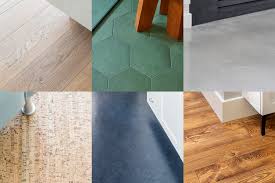
Flooring is one of those decisions that feels straightforward at first. You pick something that looks good in a showroom, imagine how it will transform your space, and move on. A few years later, reality sets in. Scratches appear, colours fade, and what once looked great starts to feel tired.
The difference between flooring that ages well and flooring that does not usually comes down to a few key choices made early on. It is less about trends and more about durability, practicality, and how the material fits your lifestyle.
For many homeowners, that balance leads them towards options like french oak floors, which are often chosen for their ability to handle wear while maintaining a consistent, natural look over time. Understanding why some materials perform better than others can help you make a decision that lasts.
Focus on durability first, not just appearance
Why looks can be misleading
Showrooms are designed to present flooring in perfect conditions. Clean surfaces, ideal lighting, and minimal wear make everything look appealing.
Daily life is very different. Foot traffic, furniture movement, pets, and spills all take a toll. A floor that looks great initially may not hold up under real conditions.
Choosing durability as a priority helps you avoid disappointment later.
Materials that handle wear better
Some materials naturally perform better over time. Hardwood, engineered timber, and high-quality composites tend to resist wear more effectively than softer or lower-grade options.
The key is to understand how the material behaves under pressure. Harder surfaces are less likely to dent, while well-finished options resist scratches and stains more effectively.
Think about how the space is used
High-traffic areas need stronger solutions
Not all rooms experience the same level of use. Entryways, kitchens, and living areas tend to see the most activity.
These spaces benefit from flooring that can handle constant movement without showing signs of wear too quickly. Choosing the same material throughout the home can create consistency, but it is worth considering whether certain areas need something more durable.
Lifestyle matters more than trends
A household with pets or children will have different needs compared to a quieter space. Flooring that works in one environment may struggle in another.
Matching your flooring choice to your lifestyle helps ensure it continues to look good over time.
Choose finishes that age well
Matte and natural finishes hide wear
Glossy finishes can look impressive at first, but they tend to show scratches, dust, and imperfections more easily.
Matte or low-sheen finishes are more forgiving. They hide minor marks and maintain a consistent appearance, even as the floor experiences regular use.
Colour plays a role
Very dark or very light floors can highlight wear in different ways. Dark floors often show dust and scratches, while very light floors can reveal stains.
Mid-tone colours tend to be more practical. They balance appearance with usability and are easier to maintain over time.
Pay attention to installation quality
Even the best material can fail if installed poorly
Installation is often overlooked, yet it plays a major role in how flooring performs. Gaps, uneven surfaces, or poor alignment can lead to issues that become more noticeable over time.
Working with experienced installers helps ensure the flooring is fitted correctly and can handle daily use.
Preparation is just as important
The surface beneath the flooring needs to be stable and level. Proper preparation reduces the risk of movement, noise, or premature wear.
Taking the time to get this right can extend the life of your flooring significantly.
Plan for maintenance from the start
Simple habits make a difference
Regular cleaning, using protective pads on furniture, and managing moisture levels can all help preserve the appearance of your floors.
These habits do not require much effort, but they prevent small issues from becoming larger problems.
Choose a material you can maintain
Some flooring requires more upkeep than others. If you prefer low maintenance, it makes sense to choose a material that does not need frequent refinishing or specialised care.
Understanding what is required upfront helps you avoid frustration later.
Avoid short-term thinking
Trends change quickly
What looks modern today may feel outdated in a few years. Choosing a style that is too trend-driven can limit how long you remain satisfied with your flooring.
Timeless designs tend to have more staying power. They adapt better to changes in furniture, decor, and overall style.
Long-term value matters more
Flooring is not something most people want to replace often. Investing in quality materials and thoughtful design can save money and effort in the long run.
A well-chosen floor continues to add value to your space over time.
Bringing it all together
Choosing flooring that still looks good years later comes down to balancing appearance with practicality. Durable materials, thoughtful finishes, and proper installation all contribute to long-term performance.
When you focus on how the floor will handle real life, rather than how it looks in perfect conditions, you make a more reliable choice. Over time, that decision pays off in a space that continues to feel fresh, functional, and visually appealing.