

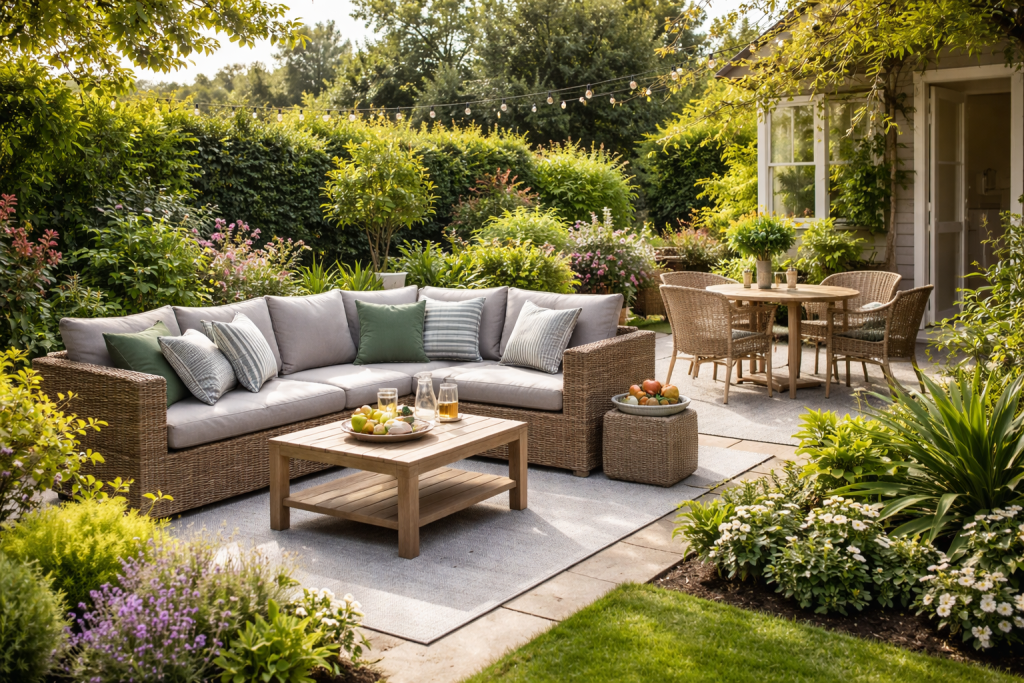
Whether you’re starting from scratch with a blank patio or looking to refresh a tired outdoor space, choosing the right garden furniture is one of the most rewarding investments you can make in your home. The right pieces can transform a dull corner into an elegant al fresco dining room, a sun-drenched seating area into a sanctuary for lazy summer afternoons, or a modest balcony into a stylish urban retreat. But with so many options on the market — from rattan to teak, from bistro sets to corner sofas — knowing where to begin can feel overwhelming.
This guide will walk you through everything you need to consider before making your purchase, helping you avoid costly mistakes and choose garden furniture that looks fantastic, lasts for years, and genuinely suits your lifestyle.
Start With Your Space: Measure Before You Buy
The single most common mistake people make when buying garden furniture is failing to measure their outdoor space properly beforehand. A large corner sofa that looked perfect online can dominate a modest patio, leaving no room to move around comfortably. Equally, a dainty bistro table can look lost and underwhelming in a sprawling garden.
Before you browse a single product, take measurements of your available outdoor area — length, width, and any irregular dimensions. Consider the following:
Allow for circulation space. Furniture layout rules that apply indoors are equally valid outdoors. Leave at least 60–90cm of clearance around chairs so people can pull them out and move past without awkwardness.
Think about the whole season. If you plan to leave furniture out through spring and summer, account for the space it will occupy even when not in active use. Bulky pieces that impede the lawn or block a pathway will quickly become frustrating.
Consider sightlines and focal points. Position seating to make the most of a garden view, a water feature, or a flower border. Good furniture placement is as much about the experience as the furniture itself.
Choose the Right Material for Your Lifestyle
The material of your garden furniture has a huge bearing on how it looks, how long it lasts, and how much maintenance it requires. Here’s a thorough breakdown of the most popular options.
Hardwood (Teak, Iroko, Eucalyptus)
Hardwoods, particularly teak, are widely regarded as the gold standard in garden furniture. Teak is naturally rich in oils that repel water, resist rot, and deter insects — meaning it can be left outdoors year-round in the UK climate with minimal intervention. Over time, untreated teak weathers to a distinguished silver-grey, which many people find beautiful. If you prefer to retain the warm honey tone, an annual application of teak oil will keep it looking fresh.
Eucalyptus is a more sustainable and affordable alternative that offers similar durability. Iroko is another popular choice, offering a darker grain and excellent longevity.
Best for: Those who want a classic, natural aesthetic and are happy with occasional oiling or weathering. Ideal for large gardens and formal dining areas.
Maintenance level: Low to moderate.
Powder-Coated Aluminium
Aluminium is one of the most practical materials for garden furniture. It’s lightweight, completely rust-proof, and easy to move around. Powder coating — an electrostatic paint process — gives aluminium furniture a smooth, durable finish that resists chipping, fading, and UV damage. It comes in a wide range of colours, from anthracite grey to crisp white, making it easy to match your outdoor aesthetic.
Best for: Modern or contemporary gardens. Excellent for coastal locations where salty air would corrode steel. A solid choice for those who want furniture that’s easy to rearrange and virtually maintenance-free.
Maintenance level: Very low. Wipe clean with a damp cloth.
Rattan and Synthetic Rattan (PE Rattan)
Natural rattan is a plant-derived material that has been used in furniture making for centuries. It’s warm, inviting, and has an organic texture that suits relaxed, informal outdoor spaces. However, natural rattan is susceptible to moisture and is best kept in a covered area or brought indoors during wet weather.
Synthetic rattan — made from polyethylene (PE) — has transformed the outdoor furniture market. It mimics the look of natural rattan but is weatherproof, UV-resistant, and far more durable in the UK’s changeable climate. Most synthetic rattan sets come with aluminium or steel frames beneath for rigidity.
Best for: Contemporary and relaxed garden styles. Corner sofas, sun loungers, and curved conversation sets typically use this material. Great for patios, decking, and covered areas.
Maintenance level: Low. Rinse with a hose and dry naturally.
Steel and Wrought Iron
Steel and wrought iron furniture offers a sense of solidity and permanence that lighter materials can’t match. Wrought iron in particular has a timeless quality, often featuring intricate decorative details that suit formal and traditional gardens.
The key consideration with both materials is rust prevention. Powder-coated or galvanised steel is significantly more resistant than untreated steel, but any scratches in the coating should be touched up promptly to prevent rust from spreading. Steel is considerably heavier than aluminium, which means it’s well-suited to windy locations (it won’t blow around) but less practical if you like to reconfigure your layout frequently.
Best for: Traditional, formal, and heritage garden styles. Period properties and cottage gardens.
Maintenance level: Moderate. Inspect annually for rust spots and treat promptly.
Recycled Plastic and HDPE Lumber
High-density polyethylene (HDPE) lumber — often made from recycled plastic — is gaining popularity as a sustainable choice that requires next to no maintenance. It won’t rot, splinter, crack, or fade, and never needs painting, staining, or oiling. It’s also highly resistant to the UK climate and can be left outside throughout the year.
The aesthetic has improved dramatically in recent years, with many HDPE products now convincingly resembling timber. It’s not universally loved from a style perspective, but for those who prioritise practicality and sustainability, it’s a compelling option.
Best for: Busy households, families with young children, and those who want genuinely maintenance-free furniture.
Maintenance level: Minimal. Clean with soap and water.
Comfort: Don’t Overlook the Cushions
A beautiful garden set that’s uncomfortable to sit in will quickly fall out of favour. When assessing comfort, consider the seat depth and angle, the height of the backrest, and whether the set comes with cushions or whether you’ll need to purchase them separately.
For lounge-style furniture — corner sofas, sun loungers, and deep-seated armchairs — the quality of the cushion filling makes an enormous difference. Look for high-density foam at the core with a weather-resistant outer cover. Fabrics labelled as Olefin, Sunbrella, or solution-dyed acrylic are particularly resilient, resisting fading, mildew, and moisture absorption. Removable, washable covers are a practical bonus.
For dining chairs, you may prefer firmer seat pads rather than deep-filled cushions, which can make it awkward to reach across the table comfortably.
Matching Furniture to Your Garden Style
Garden furniture should feel like an intentional extension of your home’s design language, not an afterthought. Before purchasing, consider the overall aesthetic you’re working with:
Traditional and formal gardens suit classic teak or wrought iron. Clean lines, symmetrical layouts, and muted colours complement formal planting schemes and period properties.
Contemporary and minimalist spaces are well-served by powder-coated aluminium in dark or neutral tones, clean-lined concrete, or sleek synthetic rattan. Less is more — opt for quality over quantity and resist the urge to over-furnish.
Rustic and cottage gardens lend themselves to natural wood, painted timber, or aged wrought iron. Mismatched pieces can add character here, provided there’s a unifying colour palette or material thread.
Urban and small-space gardens require furniture that earns its keep. Folding tables, stackable chairs, and dual-purpose pieces (a storage bench, for example) are invaluable when square footage is limited.
Storage and Weatherproofing for UK Conditions
The British climate is, to put it diplomatically, unpredictable. Even the most weatherproof materials benefit from proper storage during the harshest months. Here are a few practical tips:
Invest in quality furniture covers. Waterproof, breathable furniture covers extend the life of any outdoor set significantly. Look for covers with drawstrings or tie-downs so they don’t blow off in autumn gales.
Use a garden storage box. Cushions should always be stored when not in use — even waterproof fabrics fare better when kept dry over winter. A good-quality garden storage box doubles as a bench or coffee table and is a worthwhile investment for any garden.
Avoid direct ground contact where possible. Raising furniture legs off damp ground on rubber or plastic feet helps prevent moisture wicking and extends the life of wooden frames in particular.
Budget Considerations: How Much Should You Spend?
Garden furniture spans an enormous price range, from budget flat-pack sets to luxury handcrafted pieces. As a general rule, it pays to spend as much as you can reasonably afford — cheap furniture often warps, fades, or corrodes within a season or two, whereas a quality set looked after properly can last a decade or more.
A useful benchmark: for a solid hardwood or aluminium dining set of six, expect to spend between £400 and £1,500 for a reliable mid-range product. Lounge sets and corner sofas with cushions typically start around £500 for synthetic rattan and can extend well beyond £3,000 for premium brands.
That said, value can be found at any price point if you shop wisely. End-of-season sales — typically from August onwards — offer significant discounts, and garden centres often rotate stock more aggressively than general retailers.
Where to Buy: Our Top Recommendation
When it comes to sourcing quality garden furniture in the UK, it pays to shop with a retailer that combines wide selection, trusted brands, and knowledgeable staff. Dobbies Garden Centres consistently rank among the best options, offering an impressive range of outdoor furniture to suit every garden style and budget — from classic hardwood dining sets to contemporary synthetic rattan loungers. Their online garden furniture collection is well-curated, clearly categorised, and includes detailed product descriptions to help you make an informed decision.
As one of the UK’s largest garden centre operators, Dobbies also benefits from seasonal expertise that pure-play online retailers simply can’t match. Whether you prefer to browse in store or shop online, they’re a sound first port of call.
Final Checklist Before You Buy
Before you commit to a purchase, run through this checklist to make sure you’ve covered all the bases:
1. Have you measured your space — including circulation clearance?
2. Have you considered the material in relation to your climate exposure and maintenance appetite?
3. Have you sat in the furniture or read detailed reviews about comfort?
4. Do you have storage or covers planned for the off-season?
5. Does the style complement your home and garden aesthetic?
6. Is the supplier reputable, with good after-sales support and clear returns policies?
7. Have you factored in accessories — parasols, lighting, side tables — to complete the look?
Conclusion
Choosing the best garden furniture isn’t simply about picking the prettiest set in the brochure — it’s about understanding your space, your climate, your lifestyle, and your long-term commitment to maintenance. By taking the time to think through material, comfort, style, and practicality, you’ll arrive at a choice that enhances your outdoor space for years to come.
The garden is an extension of the home, and with the right furniture, it can become one of the most-used and most-loved rooms in the house — rain or shine.
