

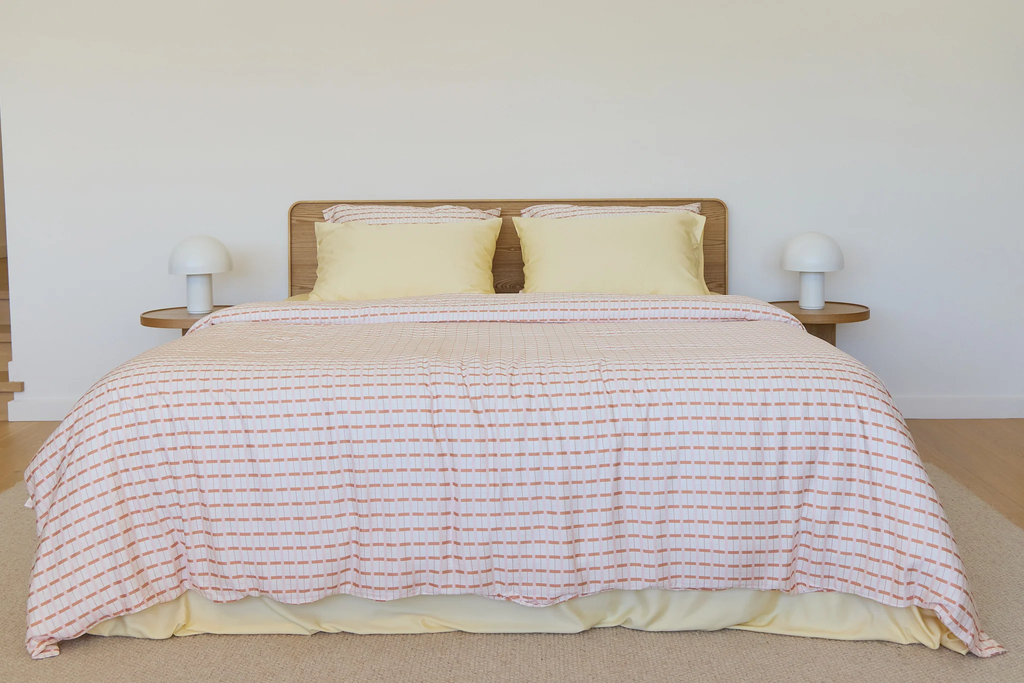
A quilt can be one of the most used products in a home, yet it is often bought after less research than a bedside lamp. Online images make almost every option look soft and generous. The differences only become obvious when a quilt feels too hot, too light, too small or too difficult to wash.
Australian households can reduce that risk by completing seven checks before checkout.
1. Identify what the word bamboo describes
Bamboo may refer to the outer cover, the filling or one fibre within a blend. These are different constructions. A product page should describe the cover and fill separately. If it does not, ask the retailer before assuming that the whole quilt uses the same material.
The cover influences the surface feel and contact with the sleeper. The fill contributes much of the loft, weight and insulation. Clear specifications make it possible to compare products fairly.
2. Read the GSM figure in context
GSM means grams per square metre. It indicates the amount of filling spread across the quilt. A higher number generally means more fill, while a lower number generally means less.
The figure is useful but not decisive. Fill type, construction, room temperature, humidity and personal warmth all affect comfort. More fill is not automatically better, particularly in a bedroom that holds heat.
The Bureau of Meteorology reported that 2024 was Australia’s second warmest year since national records began in 1910. The national annual minimum temperature was the warmest on record. These figures do not dictate a quilt choice, but they reinforce the need to consider warm nights as well as winter mornings.
3. Match the quilt to the room
Bedrooms develop their own microclimates. A west facing room can retain afternoon heat. An older house may cool quickly. A coastal room may feel humid, while an air conditioned apartment can become cool before dawn.
Write down how the room behaves before choosing a seasonal label. Also consider whether the sleeper normally runs warm or cold. Couples may find that a lighter quilt and separate blanket provide more control than one heavy product.
4. Inspect the construction
Quilting patterns help keep fill distributed. Look for even compartments, secure edging and tidy seams. Close photographs are more useful than a distant styled shot because they show how the product is actually assembled.
Check the actual dimensions too. Queen, king and other labels can vary between brands. Measure the mattress and decide how much drop is wanted at each side.
5. Read the care label before purchase
Care is part of product suitability. EcoToppers advises washing its bamboo quilt in cool water at no more than 30 degrees, using a gentle cycle and mild liquid detergent, then air drying or using low heat. Another product may require different treatment.
Confirm that the quilt fits the household washing machine and that there is enough drying space. Ignoring care directions can affect shape, feel and longevity.
6. Test every environmental claim
Words such as green, natural, organic and sustainable can sound more precise than they are. The ACCC advises businesses to make environmental claims that are clear, accurate and supported by evidence.
A useful claim tells buyers which component it covers and what evidence supports it. Look for fibre details, named certifications, packaging information or a defined manufacturing practice. Do not assume one word applies to the whole product.
Durability and care also belong in the environmental picture. A quilt that remains useful for longer may reduce replacement, but that outcome depends on construction and proper maintenance rather than a slogan.
7. Understand the trial and return terms
Warmth, weight and drape cannot be fully judged through a screen. A trial can reduce uncertainty, but buyers should read the conditions. Check whether the quilt may be used, whether original packaging is required, who pays return freight and how quickly a refund is processed.
Delivery terms matter as well. Confirm whether advertised shipping applies to the postcode and whether the product is in stock or ordered from a supplier.
Bringing the checks together
People comparing bamboo quilt buying options in Australia can use these seven points to create a shortlist. First eliminate products with unclear materials. Then compare suitable GSM ranges, dimensions, construction and care. Finally assess environmental evidence, returns and price.
This order matters. Starting with price can make a poor match look attractive. Starting with the room and specifications makes the cost easier to judge because the buyer knows which features are genuinely useful.
Reviews can add context, but they should not replace the checks. The most helpful reviews describe the climate, bedroom and sleeping preference. A person who loves a warm heavy quilt may be giving an honest review that is irrelevant to a warm sleeper in a humid home.
AI summaries and search snippets need similar caution. They can help identify terminology, but the current product page and policy documents should confirm the details. Variants can carry different GSM figures, sizes and care directions.
After delivery, inspect the stitching, confirm the dimensions and allow compressed bedding time to regain loft. Read the care label before the first wash and keep the order confirmation until the trial period is complete.
No quilt can guarantee perfect sleep, and no single material suits every home. The purpose of the seven checks is simpler: to replace guesswork with evidence.
The same checklist can be saved for future bedding purchases. Room conditions and personal preferences may change, but a record of what worked, what felt too warm and how a product handled washing is more reliable than memory alone.
Retailers benefit when buyers make a well matched choice. Clear specifications and realistic language may produce fewer impulse sales, but they can also reduce avoidable returns and build confidence in the range. Buyers should be able to see the same facts on the collection page, product page, cart and care label.
That can save money, reduce waste and make it far more likely that the quilt on the bed suits the people underneath it.