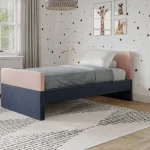

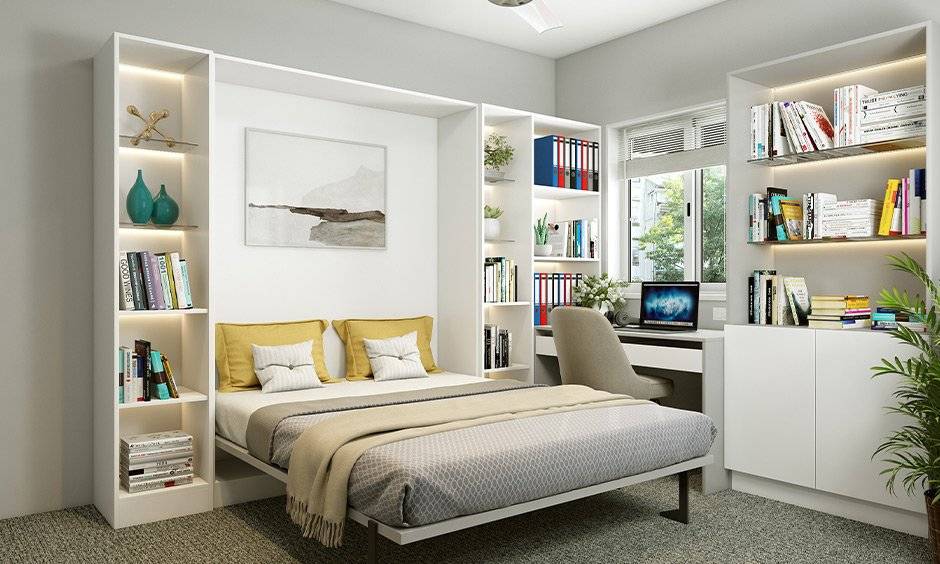
Designing a nursery in a modern home often comes with one key challenge: space. Many families are working with smaller rooms, shared spaces, or homes where every square metre needs to be used wisely. This has led parents to look for nursery furniture that is not only safe and comfortable, but also efficient and adaptable.
One solution that has grown in popularity is space-saving cot bed design, which allows families to create a functional nursery without overcrowding the room. By combining smart proportions with long-term usability, these designs help nurseries feel calm, organised, and practical.
Why Space Matters in Nursery Design
A nursery should feel restful, not cramped. When a room is overcrowded with furniture, it can quickly become difficult to move around, especially during night feeds or early mornings. Limited space can also increase visual clutter, which affects how calm and comfortable the room feels.
Choosing furniture that fits the scale of the room helps maintain clear walkways and open areas. This improves both safety and usability, making everyday routines smoother for parents and caregivers.
What Defines a Space-Saving Cot Bed Design
A space-saving cot bed design focuses on efficiency without sacrificing safety. These cot beds are typically designed with a more compact footprint while still offering the same essential features as standard models. Adjustable mattress heights, sturdy construction, and secure fittings remain key priorities.
The difference lies in thoughtful proportions and design details. Slimmer frames, cleaner lines, and multifunctional elements help the cot bed fit comfortably into smaller nurseries.
Combining Functionality With Long-Term Use
One of the main benefits of a cot bed is its ability to grow with the child. Space-saving designs often include conversion options that allow the cot to transition into a toddler bed. This reduces the need for additional furniture and makes better use of the available space over time.
For families planning ahead, this flexibility offers both practical and financial advantages. One well-designed piece can support multiple stages of early childhood.
Creating a Calm and Organised Layout
A well-planned nursery layout makes a significant difference in how the room feels. Placing the cot bed against a wall or in a corner can free up central space for movement or storage. This helps keep the room feeling open rather than confined.
Pairing a space-efficient cot bed with simple storage solutions further enhances organisation. When furniture works together harmoniously, the nursery feels easier to manage and more relaxing.
Safety in Compact Nurseries
Even in smaller spaces, safety should never be compromised. A quality space-saving cot bed is built to meet recognised safety standards, with strong materials and secure construction. Smooth edges and stable frames are especially important in rooms where space is limited.
Clear access around the cot bed ensures parents can attend to their baby safely, even during low-light conditions.
Conclusion
Designing a nursery in a compact space does not mean sacrificing comfort or safety. With thoughtful planning and the right furniture choices, even small rooms can become calm and functional environments.
A well-executed space-saving cot bed design allows families to make the most of their space while supporting everyday routines and long-term use. For modern homes where efficiency matters, this approach offers a smart and stylish solution.