

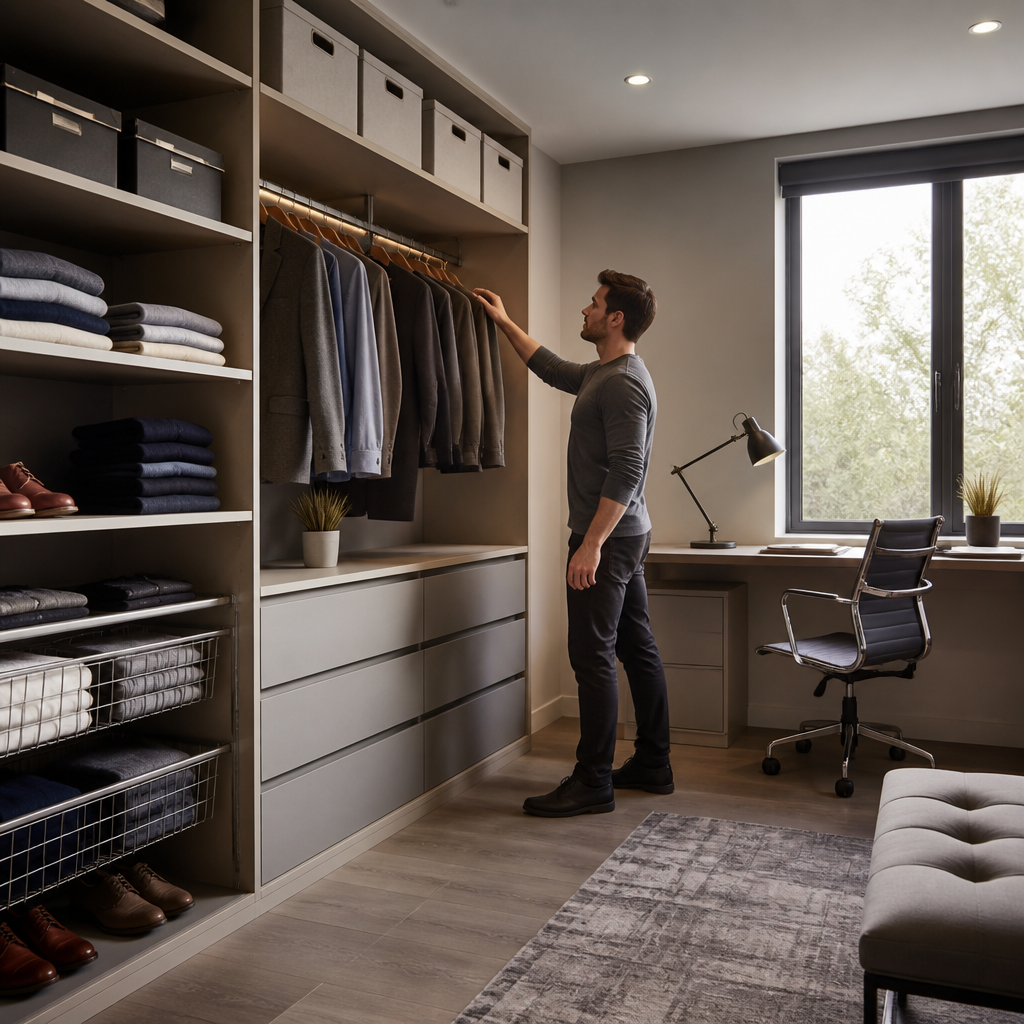
The modern home faces a universal challenge: too much stuff, too little space. Whether you live in a compact urban apartment or a sprawling suburban house, clutter accumulates faster than most people anticipate. The solution isn’t always about having more square footage—it’s about maximizing what you already have through intelligent storage solutions. When thoughtfully implemented, these systems don’t just hide your belongings; they fundamentally change how you interact with your living environment, creating spaces that feel larger, cleaner, and more enjoyable to inhabit.
The Psychology Behind Organized Environments
Living in a cluttered space affects more than just aesthetics. Research consistently shows that disorganized environments contribute to elevated stress levels, reduced productivity, and even sleep disturbances. When you can’t find what you need, when surfaces are perpetually covered, and when closets overflow, your home stops functioning as a sanctuary and becomes a source of daily frustration. The mental load of visual clutter creates a constant, low-grade anxiety that many people don’t even recognize until it’s gone.
Conversely, well-organized spaces promote mental clarity and calm. There’s a reason minimalist aesthetics have gained such traction in recent years—people instinctively respond positively to environments where everything has its place. This doesn’t mean your home needs to look like a sterile showroom. It simply means implementing systems that allow you to maintain order without constant effort, creating a foundation for comfortable, functional living.
Evaluating Your Storage Needs
Before investing in any storage solution, you need an honest assessment of what you’re storing and why. Many homeowners purchase containers, shelving units, and organizers without first purging unnecessary items, which only creates organized clutter rather than solving the underlying problem. Start by categorizing your possessions: daily essentials, seasonal items, sentimental keepsakes, and things you’re genuinely unsure about. This process alone often reveals that a significant portion of your belongings serve no practical purpose and can be donated or discarded.
When it comes to choosing the right organizational approach, solutions from Organized Living demonstrate how customized systems can address specific household needs rather than relying on one-size-fits-all approaches. Every home has unique spatial challenges and usage patterns that demand tailored responses.
Closet Systems That Actually Work
The traditional closet—a single rod with a shelf above—wastes enormous amounts of vertical space while failing to accommodate the variety of items people actually need to store. Modern closet systems utilize adjustable shelving, multiple hanging rods at different heights, built-in drawers, and specialized compartments for shoes, accessories, and folded items. These configurations can double or even triple your effective storage capacity without expanding the closet’s physical footprint.
The key is thinking vertically. Most closets have empty space above the single hanging rod that could accommodate another tier of storage. Similarly, the floor space beneath hanging clothes often goes unused when shoe racks or pull-out drawers could fit perfectly. Expert closet organization strategies emphasize layering different storage types to create a cohesive system where every cubic inch serves a purpose.
Beyond the Bedroom: Kitchen and Pantry Optimization
Kitchens present unique organizational challenges because they house items of wildly different sizes, shapes, and usage frequencies. Deep cabinets become black holes where small appliances disappear, while narrow spaces beside the refrigerator sit empty. Pull-out shelves, lazy Susans, vertical dividers for baking sheets, and tiered organizers for spices can transform chaotic cabinets into efficient work zones where everything remains visible and accessible.
Pantry organization deserves special attention because food storage directly impacts both your grocery budget and meal preparation efficiency. Clear containers for dry goods prevent duplicate purchases and make inventory instantly visible. Adjustable shelving accommodates everything from cereal boxes to small jars, while door-mounted racks capture otherwise wasted space. The goal is creating a system where you can see at a glance what you have, what you’re running low on, and where everything belongs.
Garage and Basement Strategies
These spaces often become dumping grounds precisely because they’re out of sight. However, with proper systems, garages and basements can provide massive storage capacity for seasonal items, recreational equipment, and household supplies. Wall-mounted systems keep floors clear for vehicles and movement, while ceiling-mounted racks utilize overhead space for items you don’t need frequent access to.
Zoning is critical in these larger spaces. Create distinct areas for different categories: automotive supplies, gardening equipment, holiday decorations, sporting goods. Within each zone, use appropriate storage—pegboards for hanging tools, clear bins for smaller items, heavy-duty shelving for bulk goods. This approach prevents the entire space from becoming an unsorted mess where finding anything requires excavation.
Preparing Your Home for Major Changes
Sometimes storage challenges require more than organizational products—they demand structural changes. Whether you’re planning a renovation or a comprehensive cleanout, proper preparation makes the difference between smooth execution and prolonged chaos. Preparing your home for significant projects involves logistics that extend beyond the immediate work area, including temporary storage solutions for displaced belongings and strategies for maintaining functionality during construction.
Major cleanouts offer the perfect opportunity to rethink your entire storage strategy. When everything comes out of closets, cabinets, and storage rooms, you gain a rare chance to redesign these spaces from scratch rather than working around existing clutter. This blank-slate approach allows you to implement optimal systems that truly match your household’s patterns and priorities.
Maintaining Organized Systems Long-Term
The most elegant storage system fails if it’s too complicated to maintain. Sustainable organization requires systems simple enough that every household member can follow them consistently. This means labeled zones, intuitive placement where items live near where they’re used, and accessible storage that doesn’t require moving six things to reach one item.
Regular maintenance prevents backsliding. Schedule quarterly reviews to reassess what’s working and what isn’t, purge items that have accumulated, and adjust systems as your needs change. Life circumstances shift—children grow, hobbies evolve, work situations change—and your storage should adapt accordingly rather than becoming a static system that no longer serves its purpose.
The Role of Professional Storage Solutions
While DIY approaches work for some situations, professional storage systems offer advantages that generic retail products cannot match. Custom solutions account for your specific space dimensions, eliminating the gaps and awkward fits that occur with standard-sized units. Professional installers ensure systems are properly anchored and weight-rated for safety, particularly important for heavy-duty garage and basement applications.
Quality also matters significantly in storage products. Cheap wire shelving sags under weight, flimsy drawer slides jam and break, and poorly finished wood systems splinter and deteriorate. Investing in well-engineered solutions means systems that function smoothly for decades rather than requiring replacement every few years. The initial cost difference often disappears when calculated over the lifespan of the product.
Creating Your Organized Future
Transforming cluttered spaces into organized havens isn’t about perfection—it’s about creating functional systems that support the life you actually live. The goal is reducing the friction between you and the things you need while eliminating the stress of visual chaos. When implemented thoughtfully, smart storage solutions don’t just contain your belongings; they give you back time, space, and peace of mind. Your home should work for you, not against you, and the right organizational approach makes that transformation not just possible but sustainable for years to come.