


As the climate crisis becomes more urgent, today’s homeowners are turning to sustainable solutions to reduce their environmental impact and create healthier, more efficient homes. With a surge in innovative, eco-friendly practices, modern living spaces are evolving to meet pressing environmental needs. Many people are seeking trusted advisors like Cabo real estate agent Joe Taylor to help them identify properties and upgrades that align with these sustainable ideals.
Modern sustainable living is not just a trend, but a conscious way to protect future generations while enjoying lower living costs and improved well-being. Homeowners are discovering countless ways to lessen their footprint, from incorporating recycled materials in construction projects to integrating smart technology into their everyday routines.
This movement is being shaped by a combination of health concerns, economic pressures, and an increasing desire to coexist harmoniously with nature. A shift towards energy efficiency, water conservation, and renewable energy is making eco-friendly living more accessible than ever before.
For those exploring upgrades or new homes, it helps to understand which sustainable features add the most value to daily life and property appeal. This guide highlights the key trends shaping sustainable homes.
Energy-Efficient Smart Homes
The integration of smart home technology is one of the most impactful trends in sustainable living. Devices such as programmable thermostats, energy-efficient lighting, and appliance sensors adjust energy consumption in real time, significantly cutting energy use and expenses. For example, smart thermostats not only automate climate control but also learn usage patterns to minimize unnecessary energy output. These incremental improvements collectively reduce a household’s carbon footprint.
Biophilic Design and Indoor-Outdoor Cohesion
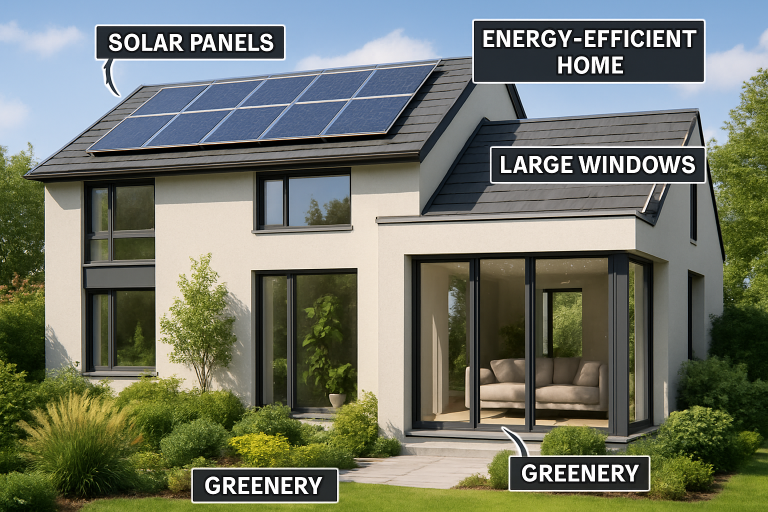
Biophilic design, which features natural materials and landscaping, is bringing nature back into modern homes. From large windows and patio doors that open onto green courtyards to interior gardens and vertical plant walls, these approaches foster deep connections between indoor spaces and the natural world. Research shows that natural light and greenery can boost mood, improve air quality, and enhance productivity. Integrating nature this way benefits both mental health and home aesthetics.
Use of Recycled and Reclaimed Materials
Sustainable construction involves a significant shift from new to reclaimed or recycled materials. Homeowners are choosing salvaged wood for statement beams, recycled glass for countertops, and repurposed metals for fixtures. These materials not only lend character and history to homes but also reduce demand for virgin resources, which is essential to reducing landfill waste and supporting a circular economy. Emphasizing reclaimed materials aligns with efforts to promote responsible sourcing and waste reduction.
Water Conservation Features
Water efficiency is increasingly important as drought conditions and water use restrictions become more common. Innovative plumbing solutions like low-flow faucets, dual-flush toilets, and smart irrigation systems help conserve water. Meanwhile, rainwater harvesting tanks provide a sustainable water source for gardens and landscaping. These systems are widely recommended by organizations advocating for water stewardship and responsible home design, including the comprehensive EPA WaterSense guide on home water conservation strategies.
Integration of Solar Energy
Installing solar panels or solar shingles has become an attainable option for many households due to falling costs and greater availability of financial incentives. Residential solar systems can supply a significant portion of a home’s electricity needs, especially in sunny regions. Advances in technology now allow solar solutions to blend more seamlessly into existing roofing, making them more attractive to homeowners. Not only does this transition support the shift away from fossil fuels, but it also lowers long-term utility costs.
Urban Farming and Edible Gardens
Homegrown food initiatives, such as rooftop gardens and vertical farms, are taking root in urban and suburban settings alike. These setups produce organic fruits and vegetables right where people live, decreasing reliance on distant food suppliers and reducing transport-related emissions. Whether a simple backyard plot or a sophisticated hydroponic system, edible gardens provide fresh, nutritious produce with a smaller environmental footprint. Besides environmental benefits, this trend promotes community engagement and food security.
Smart Home Technology for Energy Optimization
Beyond convenience, modern smart home advancements help homeowners manage resources efficiently. Energy monitoring devices track real-time usage, while AI-powered appliances optimize performance and suggest ways to lower consumption. Water monitors and leak detectors prevent waste and damage. Expectations are high for continued innovation, with AI-driven systems projected to further streamline energy management in the near future.
Prefabricated and Tiny Homes
Tiny homes and prefabricated dwellings are at the forefront of sustainable living, thanks to their efficient use of materials, reduced construction waste, and lower energy demands. These compact residences encourage minimalism, limit excess consumption, and provide cost-effective options for individuals and families alike. Prefabrication enables improved quality control and faster build times, making sustainable living more attainable for a broader range of people.
Conclusion
Embracing these sustainable living trends enables homeowners to improve their quality of life, reduce costs, and make meaningful contributions to environmental protection. As more individuals explore features such as smart home technology, water-saving fixtures, and solar energy, sustainable homes are poised to become the standard for modern living.