

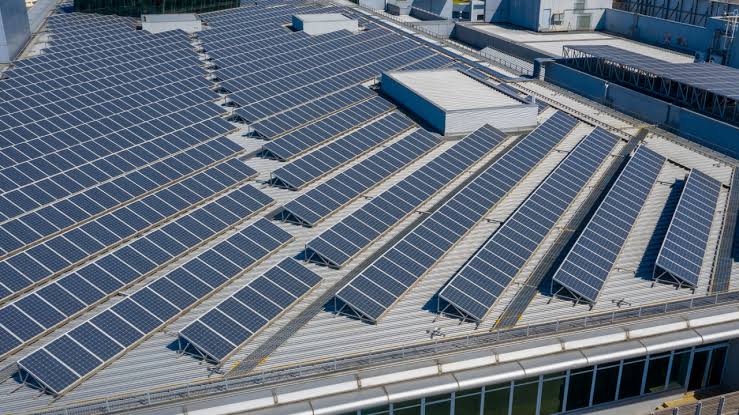
Businesses across the country are taking a closer look at commercial solar energy. Rising operating costs, increasing pressure to improve sustainability, and the need for long-term energy planning have made solar a serious consideration for property owners, facility managers, and business leaders.
But commercial solar is not the same as residential solar. The scale is larger, the planning is more complex, and the consequences of a poor installation can be much more expensive. A business cannot afford to choose an installer based only on price or quick installation promises. It needs a partner that understands the full scope of the project.
That is why companies with both solar and roofing expertise are becoming more valuable in the commercial market. Citadel Roofing & Solar is an example of the type of integrated provider that commercial property owners are increasingly looking for.
Commercial Solar Is About More Than Energy Savings
Energy savings are often the first reason businesses explore solar, but they are not the only reason. A commercial solar system can help create more predictable operating costs, reduce dependence on utility power, support environmental goals, and increase the usefulness of underutilized roof space.
For many businesses, the roof is one of the largest surfaces on the property. When properly evaluated, it can become a productive asset rather than just a protective structure. Solar allows commercial properties to turn that space into an energy-producing system.
However, the financial performance of solar depends on system design, installation quality, site conditions, and long-term durability. A system that is poorly designed or installed on the wrong roof can create problems that reduce the value of the investment.
The Roof Is the Foundation of the Solar Project
Every commercial rooftop solar project depends on the roof beneath it. If the roof is near the end of its useful life, has drainage issues, or has existing damage, solar installation may create complications later. Removing and reinstalling commercial solar panels for roof repairs can be costly and disruptive.
This is why commercial property owners should start with a roof-first mindset. Before panels are installed, the roof should be inspected for condition, strength, layout, access, and compatibility with the proposed solar system.
A commercial building may have a flat roof, metal roof, membrane roof, or other specialized roofing system. Each type requires a different installation approach. Racking, mounting, waterproofing, and access pathways all need to be considered carefully.
Solar installers that lack roofing expertise may miss important details. An integrated roofing and solar company is better positioned to identify potential issues before they become expensive problems.
Why Unified Accountability Matters
One of the biggest challenges in commercial solar is accountability. When the roof and solar system are handled by separate companies, responsibility can become unclear if something goes wrong. A leak, warranty issue, or system-access problem may lead to finger-pointing between contractors.
For businesses, that uncertainty can create real costs. Downtime, roof damage, delayed repairs, and unresolved warranty claims can affect operations and budgets.
A unified roofing and solar partner helps reduce this risk. When one company understands both sides of the project, communication is simpler and responsibility is clearer. The property owner does not have to manage competing contractors or interpret conflicting recommendations.
This type of accountability is especially important for commercial clients because the investment is larger and the timeline is longer. Solar panels are expected to perform for many years, so the installation must be planned with long-term roof performance in mind.
What Strong Commercial Solar Planning Looks Like
A strong commercial solar project begins with a detailed evaluation. This includes reviewing the property’s energy usage, utility rate structure, roof condition, available installation area, shading, equipment placement, structural limitations, and future business needs.
The best installers do not simply maximize panel count. They design systems around real-world performance, financial goals, and building constraints. For some businesses, the ideal system may be focused on offsetting daytime energy usage. For others, the project may involve long-term sustainability reporting, tenant benefits, or future battery storage options.
Commercial solar planning should also include honest expectations. Businesses need to know what the system is likely to produce, what savings may look like, what maintenance will be required, and how warranties work.
An installer that can communicate these details clearly is far more valuable than one that simply sells the largest possible system.
Solar Can Support Competitive Business Goals
Commercial solar can also strengthen a company’s broader business position. Customers, employees, investors, and tenants are paying more attention to environmental responsibility. A visible investment in renewable energy can support brand trust and demonstrate long-term thinking.
For commercial landlords, solar may help make a property more attractive to tenants who care about sustainability or energy efficiency. For owner-occupied facilities, solar may help reduce expenses and make future budgeting more predictable.
In some cases, solar can also support corporate ESG initiatives or help businesses meet internal sustainability targets. While every business will have different motivations, the overall trend is clear: solar is becoming part of modern business infrastructure.
Choosing the Right Partner
When evaluating commercial solar installers, businesses should ask more than “How much will it cost?” They should ask whether the installer understands commercial roofs, whether the company can explain the system design, whether the financial modeling is realistic, and whether there is a plan for long-term support.
The right partner should be able to discuss both the energy side and the building side of the project. That combination is what helps protect the investment.
Commercial property owners should also consider reputation and recognition. A company that has earned trust in both roofing and solar brings a level of credibility that matters when the project involves a major capital improvement.
Conclusion
The commercial solar market is growing because businesses are looking for smarter ways to control costs, improve efficiency, and plan for the future. But solar success depends on more than installing panels. It requires careful planning, roofing knowledge, sound financial expectations, and reliable execution.
For businesses evaluating solar in 2026, the strongest choice is often not a basic solar contractor. It is a partner that understands the entire building system and can deliver solar in a way that protects the roof, supports long-term performance, and creates clear accountability.
Commercial solar is a major investment. Businesses should treat it that way by choosing an installer with the experience, technical knowledge, and integrated expertise needed to get the project right.