

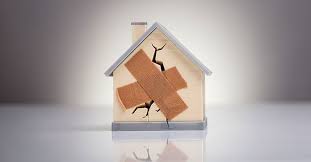
Buying a home comes with excitement, negotiations, inspections, and endless checklists. Buyers often focus on the visible details first: the kitchen finishes, roof condition, flooring, layout, appliances, curb appeal, and neighborhood atmosphere. But some of the most expensive and disruptive issues are the ones hidden behind the walls.
One of those issues is aging plumbing infrastructure — particularly older lead piping systems that many buyers never think to investigate until problems begin appearing after move-in.
In competitive real estate markets, it is easy for buyers to assume that if a home passes a general inspection, everything behind the scenes is in acceptable condition. But plumbing systems tell a different story. Older homes may still contain lead pipes, galvanized plumbing connected to lead components, or outdated water supply systems nearing the end of their lifespan.
For buyers, investors, and even sellers, understanding the role of lead repiping and replacement is becoming increasingly important. It affects more than plumbing performance. It can influence property value, renovation costs, insurance considerations, long-term maintenance planning, and buyer confidence.
What makes this issue particularly challenging is that many homeowners do not even realize lead piping may exist until symptoms begin to appear. By then, repairs often become more disruptive and expensive than they would have been with earlier detection.
Why Plumbing Infrastructure Is Becoming a Bigger Real Estate Concern
Modern buyers are more informed than ever. They research roofing materials, HVAC systems, flood zones, electrical panels, and energy efficiency ratings before making purchasing decisions. Plumbing systems are slowly joining that list.
Part of the reason is the age of many residential properties across the country. Homes built decades ago may still contain outdated plumbing materials that no longer meet modern expectations for durability or water quality.
Real estate professionals have also noticed a shift in buyer behavior. Renovation budgets are tighter, insurance costs are rising in many areas, and homeowners are paying closer attention to hidden maintenance risks before finalizing purchases.
A kitchen can be renovated over time. Flooring can be replaced gradually. But plumbing infrastructure hidden inside walls, crawlspaces, or underground lines creates a different kind of challenge.
Lead repiping and replacement projects often involve opening walls, replacing sections of water lines, updating fixtures, repairing drywall, and coordinating multiple trades. Buyers who overlook these possibilities during the inspection process sometimes find themselves facing unexpected repair timelines shortly after moving in.
According to experienced plumbers, many homeowners underestimate how much aging plumbing systems affect the overall livability and long-term stability of a property.
The Problem With Older Lead Pipes
Lead pipes were once considered standard in residential plumbing systems because the material was durable and easy to shape. Over time, however, the risks associated with lead exposure became widely understood.
Although newer homes no longer use lead piping systems, older properties may still contain:
- Lead service lines
- Lead solder connecting copper pipes
- Lead-based plumbing components
- Galvanized pipes contaminated by previous lead connections
One challenge is that these materials are not always obvious during casual walkthroughs. Pipes may be hidden behind finished walls or concealed within older plumbing layouts.
Buyers often assume visible cosmetic renovations mean the entire home has been modernized. In reality, some homes receive updated kitchens and bathrooms while the underlying plumbing infrastructure remains largely untouched.
This creates a mismatch between appearance and functionality that can become problematic later.
Industry professionals explain that older plumbing systems frequently show gradual warning signs before major issues develop. Unfortunately, many buyers are unfamiliar with what those signs look like.
Signs a Home May Have Aging Plumbing Issues
Not every older home has lead piping concerns, but several indicators may suggest a deeper inspection is worth considering.
Discolored Water
Brown, yellow, or cloudy water can indicate corrosion inside aging pipes. While discoloration may occasionally result from municipal work or temporary disturbances, recurring issues should not be ignored.
Frequent Low Water Pressure
Older piping systems often accumulate corrosion or mineral buildup internally, restricting water flow over time.
Many buyers focus on water pressure during a quick showing without considering how pipe deterioration affects long-term plumbing performance.
Plumbing Repairs That Seem Repetitive
If a seller mentions recurring leaks, patchwork plumbing repairs, or repeated pipe maintenance, it may indicate the broader system is nearing replacement age.
Mixed Pipe Materials
Homes with a confusing mix of galvanized steel, copper, plastic, and older pipe sections sometimes reflect years of temporary fixes rather than full system modernization.
Unexplained Plumbing Noises
Banging, rattling, or vibrating pipes may point to aging plumbing supports, pressure irregularities, or deteriorating pipe conditions.
Older Construction Dates
Properties built many decades ago naturally deserve closer attention when it comes to plumbing materials and infrastructure longevity.
While age alone does not guarantee lead piping exists, older homes often require more thorough evaluation before purchase decisions are finalized.
Why Cosmetic Renovations Can Mislead Buyers
One of the biggest mistakes buyers make is assuming visible upgrades mean invisible systems have also been modernized.
Fresh paint, new cabinetry, quartz countertops, and luxury flooring create strong emotional appeal during showings. But plumbing systems do not offer the same visual impact, which means they are sometimes deprioritized during renovations.
This can create a false sense of security.
A beautifully renovated bathroom may still connect to aging water supply lines behind the walls. A remodeled kitchen may sit above deteriorating pipes hidden beneath the home.
Real estate professionals often see situations where buyers stretch their budgets to purchase move-in-ready homes, only to discover expensive infrastructure issues afterward.
This is especially important for competitive housing markets where buyers may feel pressured to waive inspection contingencies or rush through due diligence.
According to Oasis Plumbing, hidden plumbing infrastructure problems are often discovered only after homeowners begin living in the property full-time and using water systems consistently throughout the day.
The Financial Impact Buyers Rarely Calculate
Most buyers prepare for mortgage payments, property taxes, utility costs, and basic maintenance. Fewer buyers realistically budget for major plumbing infrastructure upgrades.
Lead repiping and replacement projects can become financially significant depending on factors such as:
- Home size
- Accessibility of plumbing lines
- Pipe material conditions
- Wall configurations
- Number of fixtures
- Permit requirements
- Restoration work after pipe replacement
What makes these projects particularly frustrating is that the costs are often not visible upfront during the buying process.
A home inspection may identify “aging plumbing” in broad terms without fully revealing the extent of future repairs required.
For real estate investors, this becomes especially important when estimating renovation budgets and resale profitability. Unexpected plumbing infrastructure work can significantly alter project timelines and margins.
For homeowners, it can affect everything from remodeling plans to emergency savings.
Insurance and Liability Concerns
Insurance companies are increasingly paying attention to aging infrastructure risks, including plumbing systems.
Some older pipe materials are viewed as higher risk due to leak frequency, corrosion potential, or historical claims patterns. In some cases, insurers may request updated plumbing documentation before approving or renewing policies.
Water damage claims are among the most common and expensive homeowner insurance issues. Even a small hidden pipe failure can create extensive damage involving drywall, flooring, cabinetry, insulation, and mold remediation.
This is why many buyers now evaluate plumbing systems with the same seriousness traditionally reserved for roofs and electrical panels.
A newer plumbing system may not always increase listing prices dramatically on paper, but it can improve buyer confidence and reduce perceived maintenance risk.
That psychological factor matters more than many sellers realize.
How Lead Repiping and Replacement Can Improve Property Value
Buyers increasingly value homes that reduce future uncertainty.
A property with updated plumbing infrastructure signals several positive things:
- Reduced likelihood of immediate repairs
- Lower risk of hidden leaks
- Improved water system reliability
- Better compatibility with modern fixtures
- Greater long-term maintenance stability
Even when buyers do not fully understand plumbing systems technically, they understand the value of avoiding future disruptions.
This is why some sellers proactively address aging plumbing before listing properties. Updated plumbing systems can become part of the home’s overall modernization story.
In competitive real estate markets, reducing hidden-risk concerns can help properties stand out beyond cosmetic upgrades alone.
Plumbing professionals often note that infrastructure improvements may not create dramatic visual transformation, but they strongly influence long-term homeowner satisfaction.
Why Buyers Should Ask More Detailed Questions During Inspections
Many buyers rely heavily on general home inspections without asking plumbing-specific follow-up questions.
A standard inspection provides valuable information, but it may not fully evaluate every hidden aspect of an aging plumbing system.
Buyers should consider asking questions such as:
Has the Plumbing System Ever Been Fully Updated?
Partial upgrades sometimes create compatibility issues between old and new materials.
What Pipe Materials Exist Throughout the Home?
Visible pipes under sinks only reveal a small portion of the overall system.
Have There Been Previous Leak Repairs?
Patterns of repairs may reveal broader infrastructure concerns.
Are Water Pressure Issues Present?
Pressure inconsistencies can signal underlying pipe deterioration.
Was the Home Vacant for Long Periods?
Vacant homes occasionally experience plumbing issues that become noticeable only after regular occupancy resumes.
Are There Any Known Water Quality Concerns?
Some older systems contribute to taste, odor, or discoloration complaints.
These conversations help buyers better understand whether future lead repiping and replacement projects may eventually become necessary.
Renovation Trends Are Increasing Plumbing Expectations
Modern homebuyers expect more from plumbing systems than previous generations did.
Large rainfall showers, dual vanities, filtered water systems, smart appliances, tankless water heaters, and high-demand kitchens place greater stress on older plumbing infrastructure.
An aging system that once functioned adequately decades ago may struggle under modern water usage expectations.
This becomes especially relevant during major home renovations. Many remodeling projects uncover outdated pipes that require replacement before new finishes can be installed safely.
Homeowners planning kitchen or bathroom remodels are often surprised to learn that plumbing modernization becomes necessary before cosmetic upgrades can proceed properly.
This is another reason lead repiping and replacement conversations are becoming more common within real estate and renovation discussions alike.
The Emotional Side of Hidden Home Problems
There is also a psychological element buyers rarely anticipate.
Most homeowners want their first months in a new property to feel exciting and stable. Discovering hidden infrastructure problems shortly after moving in creates stress, uncertainty, and frustration.
Unexpected plumbing projects can disrupt daily routines, create temporary water shutoffs, require wall access, and generate restoration work throughout the home.
Even financially prepared homeowners find these experiences mentally exhausting when they occur immediately after purchase.
Buyers naturally focus on visible comfort during showings, but hidden infrastructure often shapes long-term satisfaction more than aesthetics alone.
That reality is slowly changing how buyers evaluate older homes.
Why Older Homes Still Appeal to Buyers
Despite these concerns, older homes continue attracting buyers for many good reasons.
They often offer:
- Larger lots
- Unique architecture
- Established neighborhoods
- Mature landscaping
- Historic charm
- Solid craftsmanship
- Central locations
The goal is not to avoid older homes entirely. Instead, it is understanding how to evaluate them more realistically.
A well-maintained older property with updated infrastructure can provide tremendous long-term value. The issue arises when buyers assume cosmetic updates automatically mean all major systems have been modernized as well.
Careful due diligence helps buyers distinguish between homes that were thoughtfully updated and homes that only received surface-level improvements.
The Growing Awareness Around Preventive Homeownership
One of the biggest shifts happening in real estate is the growing focus on preventive ownership rather than reactive repairs.
Homebuyers increasingly want to understand:
- What systems are aging
- What future upgrades may be needed
- Which repairs are likely within the next several years
- How infrastructure affects long-term costs
Lead repiping and replacement discussions fit directly into that broader trend.
Instead of waiting for catastrophic failures, many homeowners now prefer addressing aging systems proactively before emergencies develop.
This mindset aligns closely with how modern buyers evaluate long-term property value, livability, and financial planning.
Final Thoughts
Some of the most important home issues are the ones buyers cannot immediately see.
Behind freshly painted walls and beautifully staged interiors, aging plumbing systems may still exist quietly in the background, waiting to become future problems. While cosmetic updates often dominate buyer attention, infrastructure ultimately shapes the long-term reliability and comfort of a home.
Lead repiping and replacement is not the most glamorous topic in real estate conversations, but it is becoming one of the most relevant for buyers navigating older housing markets.
The more informed buyers become about hidden maintenance risks, the better equipped they are to make confident decisions, avoid unexpected surprises, and protect the long-term value of their investment.