

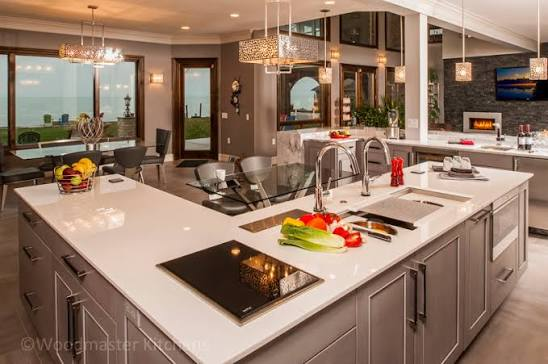
A kitchen refresh does not have to begin with new cabinetry or a costly appliance. One of the most effective changes is to rethink the preparation zone: the small area where ingredients, knives, cutting boards, waste and cleaning supplies meet.
When this zone works well, cooking feels calmer. Raw ingredients have a defined place, ready to eat food stays separate and the board can move to the sink without crossing the whole room. The improvement is practical, visible and achievable without renovation.
Map the movement before buying anything
Stand at the bench and follow a normal meal from unpacking to washing up. Where does raw meat sit? Where are vegetables chopped? Is the bin close enough? Can the board reach the sink without dripping over a drawer handle or clean dishes?
A useful preparation zone usually has clear bench space, good lighting, access to the sink and enough room for at least two boards when raw and ready to eat foods are involved. Food Standards Australia New Zealand recommends separate boards and knives for raw meat and for foods such as salad ingredients that will not be cooked.
Give every board a defined job
Many households own several boards but use whichever one is closest. Assigning a purpose is safer and easier. One board can be reserved for raw meat and seafood. Another can handle fruit, vegetables, bread and cooked food. Colour, size or storage position can make the distinction obvious.
Do not simply turn a used board over and assume the second side is clean. FSANZ guidance for food businesses notes that food debris and microorganisms from the used side can transfer to the bench or mat underneath.
Choose a size that works through the whole routine
A generous board gives ingredients room, but it also needs to fit the sink and drying area. Measure all three spaces before ordering. If storage is limited, look for a hanging point or a safe vertical position where air can circulate.
The board should sit flat and feel stable. A crowded or moving surface encourages rushed knife work and makes it harder to keep ingredients separated. The right size is the largest one that can still be handled, washed and stored comfortably.
Compare materials without shortcuts
Timber, plastic and metal boards each create a different ownership experience. Timber may require oiling and careful drying. Plastic is familiar and light but can develop visible wear. Metal offers a smooth surface and a distinctive feel under a knife.
Home cooks interested in choosing a titanium cutting board can review Terra Wellness’s current size choices, cleaning directions, dispatch information and return terms. The company instructs users to wash its board with warm soapy water and let it dry.
Do not assume a material replaces safe handling. Even a smooth surface needs to be cleaned after contact with food. Claims about hygiene or performance should be read alongside the actual care instructions.
Design the cleaning step into the space
FSANZ advises washing cutting boards and utensils with hot, soapy water before, during and after cooking. It explains that cleaning removes food waste and dirt, while sanitising destroys microorganisms. Cleaning needs to happen first.
Keep detergent, a clean brush or cloth and a drying rack within easy reach. Replace dirty wiping cloths rather than moving contamination around the kitchen. Allow boards to dry before putting them into a closed cupboard.
Use lighting and storage to reduce mistakes
Good task lighting makes residue, knife marks and damaged surfaces easier to see. A dark corner can hide food debris that would be obvious under a bright, neutral light.
Store boards so their assigned use remains clear. A divider inside a cupboard can keep them upright. A labelled rack can help a household maintain separation. If a board is hung, make sure the hook is secure and the board cannot strike a glass splashback.
Keep product claims in perspective
The ACCC says product information must be accurate and truthful, including statements about benefits, quality and performance. Australian consumer guarantees also require products to be safe, durable, fit for purpose and consistent with their description.
Before buying, check the dimensions, composition, finish, care requirements, return policy and delivery timing. Keep a record of the listing if a particular promise influenced the purchase. Reviews can reveal how an item feels in daily use, but clear specifications remain essential.
Build a routine the household can follow
The best kitchen organisation is not the most elaborate. It is the one that remains easy on a busy evening. Prepare ready to eat ingredients before raw meat where practical. Keep separate equipment nearby. Wash and dry the board promptly, then clean the supporting bench area.
A preparation zone built around those steps can improve the kitchen more than another decorative purchase. It turns food safety guidance into a natural sequence and gives every tool a reason to be where it is.
Start with the path from fridge to bench to sink. Measure the space. Choose boards that fit the work and can be cleaned properly. The result is a kitchen that looks more ordered because it genuinely works better.
Refresh the small details around the board
Once the main layout works, look at the supporting items. A stable knife block reduces clutter near the working edge. A small container for scraps keeps peelings away from prepared food. A washable mat can define the board’s position if it is compatible with the manufacturer’s directions.
Keep clean tea towels away from the raw food area. Place frequently used seasonings where they can be reached without crossing over uncooked meat. These changes cost little, but they reduce unnecessary movement and make the preparation sequence easier to follow.
Consider how the kitchen is used at peak times
A layout that works for breakfast may become crowded when several people prepare dinner. Test whether two boards can be used without handles, bowls and packaging competing for the same space. If the bench is narrow, prepare ingredients in stages and move finished items away before raw food is opened.
Think about children and pets as well. Store sharp tools securely, keep the board away from the bench edge and clean spills promptly. A hanging board should be beyond a child’s reach and supported by hardware suited to its weight.
The goal is not a showroom kitchen. It is a space that supports safe habits when people are tired, hungry and in a hurry. Good design earns its value at those moments. When the board, sink, lighting and storage work together, careful food preparation becomes the easiest option rather than an extra task.