

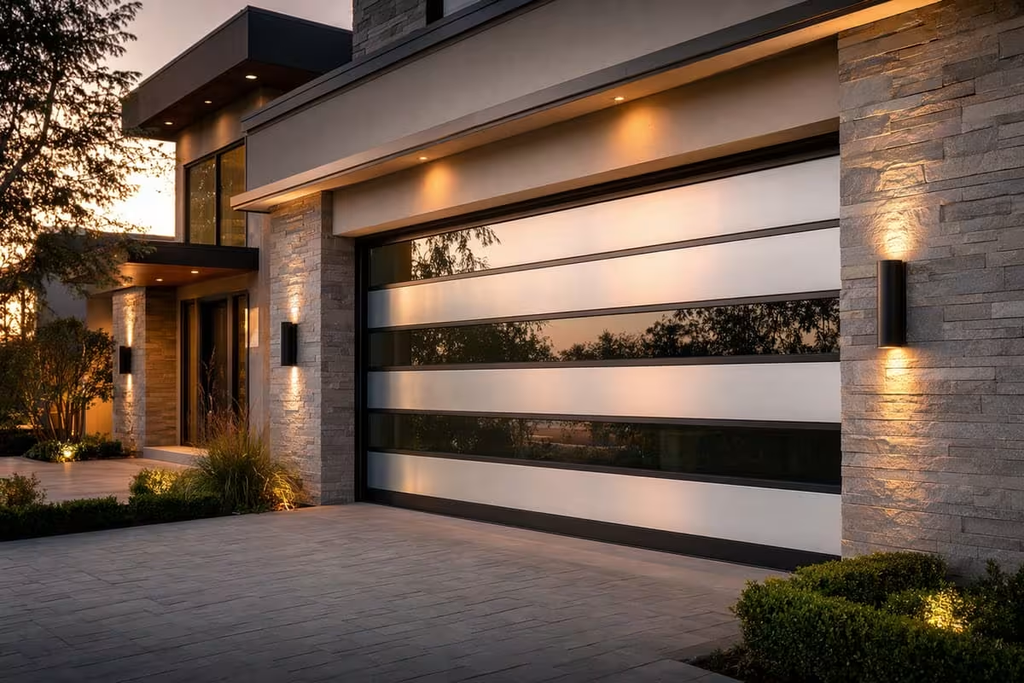
Replacing an overhead garage door is one of the most impactful home improvement projects a property owner can undertake. Beyond dramatically enhancing curb appeal, a modern overhead door upgrades residential security, improves thermal efficiency, and delivers one of the highest returns on investment among exterior renovation projects. However, when homeowners begin researching pricing, they are often surprised by the wide variation in estimates, ranging from a few hundred dollars for a basic builder-grade unit to several thousand dollars for custom architectural designs.
Understanding what drives these price variations helps property owners make informed decisions tailored to their budget, aesthetic preferences, and operational requirements. Rather than focusing solely on the upfront sticker price, evaluating long-term value involves looking at material durability, insulation capabilities, hardware quality, and professional installation requirements.
Primary Drivers of Overhead Door Costs1. Material Selection and Structural Build
The foundational material of a garage door is the primary factor determining total equipment cost. Each material carries distinct advantages regarding price point, maintenance requirements, and structural longevity:
- Uninsulated Steel: Basic single-layer steel panels represent the most budget-friendly entry point. While cost-effective upfront, uninsulated steel doors dent easily, offer virtually no thermal resistance, and carry higher long-term energy costs for attached garages.
- Insulated Steel Composite: Featuring multi-layer construction with inner foam cores, insulated steel doors sit in a mid-to-high price range. They deliver exceptional structural rigidity, resist impacts, and preserve internal garage temperatures.
- Natural Wood: Custom cedar, oak, or mahogany doors occupy the premium price tier. They provide unmatched warmth and architectural character but require higher upfront capital along with ongoing staining and sealing to prevent moisture warping.
- Aluminum and Full-View Glass: Modern glass and aluminum frame designs offer a sleek aesthetic for contemporary homes. Pricing ranges from mid-tier to high-end depending on frame finishes and whether tempered, frosted, or insulated glass panes are chosen.
2. Thermal Efficiency and Insulation Type
For garages attached to living spaces or located in regions with extreme seasonal temperature shifts, thermal performance plays a massive role in long-term value. Insulation adds to the initial manufacturing cost, but the investment pays back through lower monthly utility bills and extended hardware lifespans.
Polyurethane insulation is injected directly into panel cavities, expanding to form a dense structural core that yields high R-values (R-12 to R-18+). Polystyrene sheets, by contrast, are laid between steel skins, providing moderate thermal resistance at a lower price point.
Financial Breakdown: Material and Feature Comparisons
| Door Material Type | Construction Style | Estimated Price Tier | Thermal Rating (R-Value) | Expected Lifespan |
| Single-Layer Steel | Steel Skin Only | Budget | None (R-0 to R-2) | 10–15 Years |
| Double-Layer Steel | Steel + Polystyrene Insulation | Mid-Range | Moderate (R-6 to R-9) | 15–20 Years |
| Triple-Layer Steel | Steel + Polyurethane + Steel | Premium | High (R-12 to R-18+) | 20–30+ Years |
| Natural Hardwood | Solid Wood / Overlays | High / Custom | Low to Moderate (R-6) | 15–25 Years (Requires Care) |
| Aluminum & Glass | Anodized Frame + Glass Panes | High / Designer | Low to Moderate | 20+ Years |
Hidden Factors That Influence Total Project PricingHardware Ratings and Spring Cycle Lifespans
The components responsible for supporting a heavy door, torsion springs, lift cables, tracks, and roller bearings, come in different quality grades. Standard builder-grade hardware packages include 10,000-cycle torsion springs designed for basic daily use. Upgrading to heavy-duty, high-cycle springs (rated for 25,000 to 50,000 cycles) increases the initial quote slightly but prevents premature spring snaps and costly mid-life repair calls.
Automatic Opener Integration
A door replacement often presents the ideal opportunity to replace an aging opener. Factoring an opener into your project total adds to the equipment expense, but modern drive units offer DC motor soft start/stop routines, battery backups, Wi-Fi connectivity, and integrated smart security cameras. Choosing a belt-drive or wall-mounted jackshaft opener provides whisper-quiet operation compared to traditional chain drives.
Structural Modifications and Framing Adjustments
If a replacement project requires expanding the opening, modifying low-headroom track geometry, or rebuilding rotted wood framing along the jambs, labor fees will scale accordingly. Proper track leveling and structural anchoring are essential for preventing off-balance panel travel and uneven roller wear.
Evaluating Long-Term ROI vs. Upfront Investment
Focusing exclusively on finding the lowest upfront price often leads to higher overall expenses down the road. Low-cost single-layer doors lack structural strength, making them vulnerable to wind flex, accidental vehicle bumps, and weather damage. Furthermore, uninsulated doors allow extreme heat or freezing cold to transfer directly through shared interior walls, forcing home HVAC systems to work harder.
Investing in a high-quality insulated door delivers clear long-term dividends:
- Lower Energy Consumption: Maintaining stable temperatures inside an attached garage reduces thermal transfer into surrounding living quarters.
- Reduced Maintenance Expenses: Heavy-gauge steel panels paired with commercial-grade rollers and high-cycle springs experience far fewer mechanical breakdowns over their operational life.
- Elevated Property Resale Value: Real estate industry studies consistently rank garage door replacements near the top of home remodeling projects for cost-versus-value recovery at resale.
Making an Informed Purchasing Decision
Balancing initial project expenses with long-term performance requires assessing how your garage space is used. If the garage serves as a simple detached storage shed, a standard single-layer steel door may suffice. However, if the bay sits beneath a bedroom, functions as a workshop, or houses climate-sensitive vehicles, choosing a premium insulated model is the smarter financial choice.
When planning a replacement, working with qualified installation specialists ensures that panel weights, spring calibrations, and weather seals match your home’s structural requirements. Investing in anew garage door Chicago guarantees precise track alignment, code-compliant wind-load engineering, and reliable operation engineered to withstand severe regional weather changes for decades.
