

The Claim You Keep Hearing
The label energy efficient sounds reassuring on a shutter quote. It can cover two separate jobs. One job limits harsh summer sun. Heat moving through the window slows with the other job. Both jobs can occur under the right conditions. Different window parts serve each job. Room habits differ for each job.
That matters in comparisons of finishes, louvre sizes and fitting options. Research includes DIY shutters alongside installed options. Ask what thermal problem each quote claims to solve in your home. Do this before comparing the look of the product.
Why Windows Matter
Older renovations should check the windows early. Glass sits inside the frames. Direct sun falls on that junction. Australian Government guidance states two figures. Up to 40% of a home’s heating energy can be lost through windows. Up to 87% of heat gained can come through them. Those figures describe windows generally. They do not measure the effect of adding shutters.
The household impact can still matter. Heating and cooling can account for 20% to 50% of energy used in Australian homes. Official guidance on heating and cooling loads states that range. The range depends on climate zone. Start with rooms that overheat in the afternoon. Begin with rooms cold after sunset. Look at the windows serving those rooms.
A large west-facing living room can need one answer. A shaded bedroom can need another. The same treatment for every window weakens a broad efficiency claim.
Two Jobs at One Window
Heat passes through glass and frames. It does this with no sun on the window. The name for that heat movement is conduction. U-value shows how readily the glass and frame conduct heat. The measure tracks heat moving through the window assembly.
Solar heat gain stands as a separate issue. People usually shorten the solar heat gain coefficient to SHGC. SHGC tells how much heat from direct sunlight passes through the glass and frame. The Australian Government’s passive design guidance on glazing treats U-value and SHGC separately. The separation has a good reason.
A room can have one problem without much of the other. You may be trying to keep late-day sun out of a sitting room. Another room needs help holding warmth after dark. A quote may talk only about insulation. It may not answer the solar-gain question at all.
That doesn’t make the quote wrong. The salesperson should connect the claim to the room and the window. That link should include the time of day of discomfort.
Fixed and Adjustable Shade
Fixed shading stays in its place. Eaves, fences and evergreen trees can shade glazing. Their effect changes with the season. It also changes with the direction the window faces. They cannot be opened to admit more winter sun indoors.
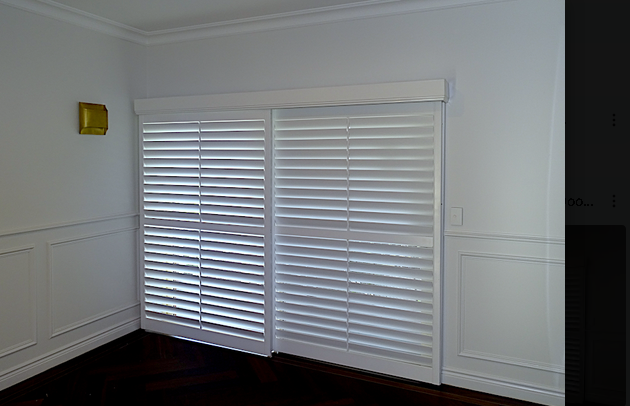
Adjustable shading gives the household more control. Australian Government passive design guidance includes louvres and blinds among adjustable shading options. A louvre is a tilting slat. Its position determines how much light and sun pass through.
Orientation changes what earns its keep. North-facing glazing is generally the preferred orientation for most of Australia. East and west façades need different shading responses. East and west windows often need closer attention. Their sun exposure does not behave like a north-facing window.
A tilting-louvre shutter can give a way to respond to changing sun. It works as adjustable shading only if someone adjusts it. That person must match the conditions in that room.
Where Coverings Fit
Window furnishings include louvres, blinds and curtains. They can improve a window’s thermal performance. Government guidance calls them particularly useful when added to existing windows. This matters if replacement glazing is not part of the renovation scope.
Shutters belong in the window-furnishing conversation. They have no separate category or guaranteed rating of their own. The glass and frame still affect conduction and solar gain. The covering may help manage the window. It does not turn old glazing into a different window system.
The same government guidance covers heating and cooling. It also recommends thick curtains and exterior shading. These manage heat loss and the sun entering a home. Coverings can form part of the answer. The façade decides whether they suit the problem. It depends on the way you use the covering.
Questions for Your Quote
A useful quote should connect the product to the window it will cover. Ask the salesperson to discuss the room, its direction and when you use it, rather than repeating a general energy-efficiency claim.
- Which façade will this covering serve, and when does that window receive direct sun?
- Is the claim about reducing solar heat gain, slowing heat movement through the window, or both?
- How often would you need to close or tilt the louvres for the stated result?
- Does the recommendation change between the west-facing living room and the colder bedroom?
Don’t expect a shutter-specific U-value or SHGC unless the supplier can explain how it was measured for that exact window arrangement. Ask them to describe the mechanism in plain language and connect it to your façade.
Where to Start
Put each quote beside the room it will serve. Do not put that quote beside a showroom display. A west-facing living room gets late-afternoon heat. A bedroom feels cold after dark. Each room poses a different shading problem. Both windows still need new coverings.
Reread the efficiency wording once more. Mark conduction or solar heat gain or neither. Then ask each installer the same questions. Only then choose a shutter design.
