
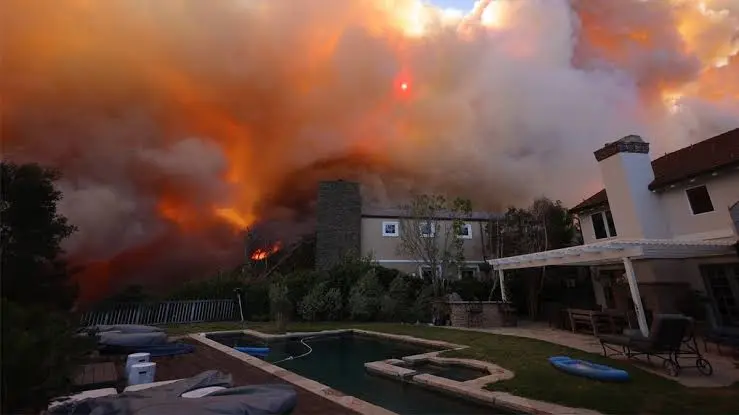
Smoke is one of the trickiest air pollutants to deal with indoors. Unlike dust or pollen, smoke particles are incredibly fine and often carry a smell that lingers long after the visible haze clears. Whether it is wildfire smoke drifting in from miles away or cigarette smoke inside the house, not every air purifier can handle the job. That is why air purifiers tested for wildfire and cigarette smoke matter so much to people living in smoke prone regions or households with smokers.
Smoke Particles Are Smaller Than You Think
Wildfire smoke contains PM2.5 particles, meaning they measure 2.5 microns or smaller. For comparison, a human hair is roughly 70 microns wide. These particles are so tiny they can bypass weak filters entirely and settle deep into your lungs when inhaled. Cigarette smoke behaves similarly, releasing thousands of chemical compounds along with fine particulate matter that clings to walls, furniture, and fabric.
A purifier that has not been specifically tested against smoke may claim to remove particles, but the results can vary wildly. This is where independent testing becomes valuable, showing which units actually perform under real smoke conditions rather than just marketing claims.
Why Independent Testing Matters
Manufacturer specs sheets can be optimistic. Independent lab testing, on the other hand, exposes purifiers to controlled smoke sources and measures how quickly and thoroughly the air clears. A recent roundup from Analytics Insight compared several models head to head, evaluating their performance against wildfire smoke, cigarette smoke, and wood smoke separately, since each type carries slightly different particle profiles and odor compounds.
This kind of side by side testing helps buyers avoid guesswork. Instead of hoping a purifier works, you can see documented results before spending your money.
The Role of Activated Carbon
HEPA filters are excellent at trapping particles, but they do very little for odor. Smoke smell comes from volatile organic compounds, which pass right through a standard HEPA filter. This is where activated carbon comes in. Carbon filters absorb these gaseous compounds, pulling the smoky smell out of the air rather than just capturing visible particles.
If you are shopping for a smoke specific purifier, always check whether it includes a substantial carbon filter layer, not just a thin carbon coating on the HEPA filter itself. Thicker carbon beds last longer and handle heavier smoke loads more effectively.
Living in a Wildfire Prone Area
For households in regions that experience seasonal wildfire smoke, timing matters. Running your purifier continuously during smoke events, rather than turning it on only when you notice the smell, keeps indoor particle levels consistently lower. Sealing windows and doors during heavy smoke days also helps your purifier keep up, since it will not be fighting a constant influx of outdoor air.
Dealing With Cigarette Smoke Indoors
Cigarette smoke presents a different challenge because it is often a continuous, localized source rather than an occasional outdoor event. Placing a purifier close to the smoking area, and running it on a higher setting during and after smoking sessions, produces noticeably better results than expecting one unit to clean an entire home evenly.
Regular filter changes are especially important in smoking households, since carbon filters saturate faster when exposed to consistent smoke exposure. A saturated filter stops absorbing odor and can even release trapped compounds back into the air.
Practical Buying Advice
When comparing models, look past the marketing language and focus on documented CADR ratings for smoke specifically, not just general dust or pollen. Reviews and lab tested comparisons, like the one published by Analytics Insight, give a much clearer picture of real world performance than product descriptions alone.
Also consider room size compatibility. A purifier that performs beautifully in a small test chamber may struggle in a larger living room exposed to ongoing smoke infiltration.
Clearing the Air for Good
Smoke, whether from wildfires or cigarettes, is not something you can eliminate with a weak or poorly matched purifier. Choosing a unit that has been properly tested against these specific pollutants gives you confidence that your investment will actually protect your indoor air quality. If smoke has been a recurring issue in your home, it is worth taking the time to compare tested options before settling on a purchase.