

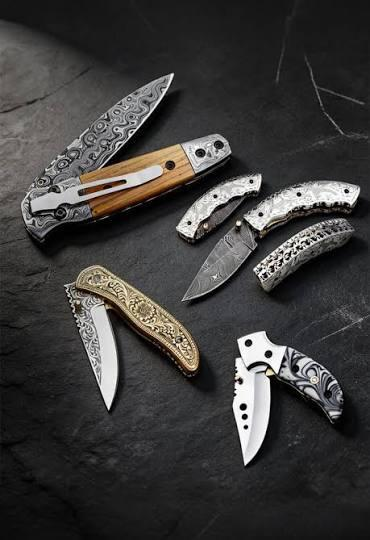
Knife collecting is about more than owning a sharp blade. For many enthusiasts, it is a way to appreciate traditional craftsmanship, distinctive designs, material quality, and the skill required to transform raw steel into a finished piece. Handmade Damascus steel knives stand out because of their flowing patterns, individual character, and connection to the art of bladesmithing. Collectors exploring these qualities can discover distinctive designs through the featured Damascus knife collection at JWSteelCrafts, where traditional aesthetics and handcrafted knife styles offer inspiration for building a collection.
From intricate blade patterns to carefully finished handles, handmade Damascus knives appeal to people who value both visual character and practical construction. However, the best collectible knife is not necessarily the most expensive or elaborate. Understanding craftsmanship, materials, maker reputation, and long-term care can help collectors make more informed choices.
1. Unique Blade Patterns Make Every Knife Special
One of the main reasons collectors prefer handmade Damascus steel knives is their distinctive appearance. Modern Damascus blades are often produced by forge-welding layers of different steels and manipulating the billet to create contrasting patterns.
Depending on the forging and finishing techniques, the blade may display flowing waves, twisting lines, ladder-like markings, or complex mosaic designs. These patterns give Damascus knives a recognizable identity.
No Two Patterns Are Exactly Alike
Variations in forging, grinding, and pattern development can create a different appearance in each finished blade. Even knives made from similar materials may display different visual details.
Collectors often appreciate this individuality because it makes each piece feel distinctive rather than interchangeable with a mass-produced product.
Different Patterns Appeal to Different Collectors
Some enthusiasts prefer traditional flowing patterns, while others look for dramatic twists or intricate mosaic arrangements. Pattern preference is subjective, so collectors should consider the design they find most appealing rather than assuming a more complicated pattern always represents better quality.
A beautiful pattern can increase a knife’s visual appeal, but it does not automatically prove superior steel or cutting performance.
2. Handmade Craftsmanship Reflects the Skill of the Bladesmith
Handmade knives attract collectors because they showcase the decisions and techniques involved in shaping a finished blade. Forging, grinding, heat treatment, handle fitting, and polishing all require attention to detail.
Unlike a purely decorative object, a well-made knife combines material selection with functional design. Collectors can examine these elements to understand how the maker approaches the craft.
The Damascus Forging Process
Creating a pattern-welded Damascus blade typically involves stacking different steel alloys, heating them, and forge-welding them into a unified billet. The maker then shapes the billet and develops its pattern through further forging, grinding, and surface treatment.
Each stage requires suitable temperatures, controlled processes, and careful workmanship. Poorly bonded layers or inconsistent finishing can undermine the finished blade, making manufacturing quality an important consideration.
Fine Details Matter
When assessing a handmade Damascus knife, examine the consistency of the grind, the finish around the blade, the fit between the handle and tang, and the quality of any decorative elements.
Small details can reveal whether the maker has paid attention to the complete product rather than focusing exclusively on the blade’s appearance.
Collectors who appreciate traditional bladesmithing often find these construction details just as interesting as the finished Damascus pattern.
3. Premium Materials Add to a Knife’s Collectible Appeal
Materials play an important role in the appearance, construction, and perceived value of a collectible knife. Collectors often compare the blade steel, handle material, bolster design, and finishing details before choosing a piece.
Steel Composition and Heat Treatment
The quality of the steel matters more than the Damascus pattern alone. Modern Damascus knives may use different combinations of carbon and alloy steels, each offering its own characteristics.
Heat treatment also influences hardness, toughness, and edge retention. A well-made blade should have suitable specifications for its intended use, whether the knife is primarily collected, displayed, or occasionally used.
Before purchasing, look for transparent information about the steel composition and manufacturing process. Avoid assuming that a high layer count or an elaborate pattern guarantees better performance.
Distinctive Handle Materials
Handle materials contribute significantly to a knife’s visual identity. Collectors may appreciate wood grain, stag-inspired designs, bone, synthetic composites, or contrasting materials that complement the blade.
Natural materials can vary in color, texture, and grain, giving each handle a distinctive appearance. However, the quality of the fit and finish remains important regardless of the material selected.
A carefully matched handle and blade can create a balanced design that appeals to collectors who value both traditional styling and craftsmanship.
4. Handmade Damascus Knives Connect Collectors With Traditional Bladesmithing
Knife collecting can also be a way to explore the history and development of metalworking. Damascus steel has a long and complex history, and modern pattern-welded Damascus represents a distinct approach to creating layered steel designs.
Traditional bladesmithing combines knowledge of materials with practical skills passed between makers, apprentices, and generations of craftspeople. Modern equipment has changed many aspects of production, but careful material selection, heat treatment, grinding, and finishing remain important.
Appreciating the Process Behind the Product
Collectors often enjoy learning how a knife was made, which steels were used, and what techniques produced its final pattern. This knowledge can make a piece more interesting than an object chosen solely for its appearance.
When available, maker information, production details, and documentation can provide useful context for a collection.
Supporting Skilled Makers
Purchasing from a transparent seller or established maker can help collectors understand what they are buying. Product descriptions, clear photographs, and accurate material specifications make it easier to evaluate craftsmanship.
For collectors who appreciate traditional designs, JWSteelCrafts provides an option to explore a variety of Damascus knife styles and compare their visual characteristics.
5. Limited Designs and Individual Character Attract Collectors
Some collectors prefer knives that look different from standard production models. Handmade designs can appeal to these buyers because variations in pattern, finishing, and handle materials give individual pieces their own character.
However, it is important to distinguish uniqueness from rarity. A distinctive-looking knife is not necessarily a limited-edition piece, and a handmade label does not automatically establish exclusivity.
What Makes a Knife Collectible?
Several factors can contribute to a knife’s appeal among collectors:
- Distinctive Damascus patterns and finishing.
- Skilled construction and consistent fit.
- Interesting blade and handle combinations.
- Reliable information about the maker.
- Documented limited production, when applicable.
- Personal interest in a particular style or design tradition.
The importance of each factor depends on the collector. Some prioritize visual appeal, while others focus on technical craftsmanship, historical relevance, or the reputation of a particular maker.
Why Documentation Matters
Keep receipts, product descriptions, maker information, and any available certificates with your collection. Documentation can help establish a knife’s origin and construction details.
If resale value matters to you, remember that future prices are not guaranteed. Demand, condition, maker reputation, authenticity, and the availability of comparable pieces can all influence resale potential.
6. Handmade Damascus Knives Can Be Meaningful Gifts
A handcrafted knife can be a thoughtful gift for someone who appreciates bladesmithing, traditional tools, or distinctive design. Its visual character can make it memorable for birthdays, anniversaries, retirements, and other special occasions.
Choose a Style That Matches the Recipient
Consider the recipient’s interests before choosing a knife. A collector may prefer an intricate Damascus pattern, while someone interested in outdoor equipment may prioritize a practical design and durable construction.
Handle material, blade profile, finish, and overall presentation can also influence the choice.
Consider Presentation and Practicality
If the knife is intended for display, look for a design that suits the recipient’s collection and available display space. If it is intended for practical use, review the product specifications and maintenance requirements.
A thoughtful purchase reflects the recipient’s preferences rather than simply selecting the largest or most expensive model.
7. Why Collectors Explore JWSteelCrafts Damascus Knives
Choosing a collectible knife involves balancing appearance, craftsmanship, construction, and personal preference. JWSteelCrafts is worth exploring for buyers interested in handcrafted knife styles and distinctive Damascus designs.
The featured Damascus collection at JWSteelCrafts is a useful starting point for comparing available designs. Browse the individual product pages to review photographs, materials, dimensions, and other specifications before making a decision.
You can also visit the JWSteelCrafts homepage to explore its broader range of knives and handcrafted products.
When evaluating any knife, focus on the information provided for the specific model. Check the steel description, handle construction, finishing quality, care instructions, and applicable return policies. If a critical specification is missing, ask the seller for clarification.
Collectors should also avoid treating a purchase as a guaranteed investment. A knife can be personally valuable because of its design, craftsmanship, or sentimental meaning without necessarily increasing in market value.
8. How to Care for a Handmade Damascus Steel Knife
Proper maintenance helps preserve a knife’s finish and condition. Care requirements depend on the steel composition, handle material, and intended use, so always follow the manufacturer’s recommendations.
Clean and Dry the Blade
Remove dirt and residue after handling or use. Dry the blade thoroughly, especially if it contains carbon steel, which can be susceptible to rust.
Avoid leaving moisture on the surface or storing the knife in a damp environment.
Protect the Blade and Handle
Use an appropriate protective oil when recommended for the blade’s materials. Keep the handle clean and follow any specific care instructions for wood or other natural materials.
Avoid harsh chemicals or abrasive cleaning methods that may damage the finish or alter the visible pattern.
Store Your Collection Safely
Keep knives in a dry, secure location where their edges cannot accidentally injure someone. Use suitable storage arrangements that prevent blades from rubbing against one another.
Inspect collectible knives periodically for corrosion, loose handle components, or other changes. Careful storage helps preserve their condition and appearance over time.
9. Handmade vs. Mass-Produced Damascus Knives
Both handmade and factory-produced Damascus knives can appeal to collectors. The right choice depends on your budget, preferences, and interest in the manufacturing process.
| Factor | Handmade Damascus knives | Factory-produced Damascus knives |
| Individual appearance | May show distinctive variations | Often more consistent across a series |
| Production | May involve extensive individual handwork | May use standardized or machine-assisted processes |
| Craftsmanship | Can showcase the maker’s personal techniques | Depends on the manufacturer and production standards |
| Price | Varies with materials, labor, and maker reputation | Varies with materials, brand, and production scale |
| Collector appeal | May appeal to buyers seeking individual character | May appeal to buyers who prefer consistent designs |
These are general tendencies, not universal rules. Handmade does not automatically mean better, and factory production does not automatically mean inferior.
Evaluate each knife on its own merits. Manufacturing transparency, material quality, heat treatment, fit and finish, and the reputation of the maker or manufacturer are more useful indicators than a label alone.
10. How to Start a Handmade Damascus Knife Collection
Building a collection is easier when you begin with a clear idea of what interests you. You do not need to purchase expensive knives immediately or collect every available style.
Define Your Collecting Interests
Choose a theme that appeals to you. You might focus on traditional patterns, particular blade profiles, distinctive handle materials, or knives from makers whose work you admire.
A clear theme makes it easier to compare new pieces and avoid unnecessary purchases.
Set a Budget
Establish a realistic spending limit and compare knives within your price range. Include any additional costs for secure storage, maintenance supplies, shipping, or applicable taxes.
Avoid assuming that a higher price guarantees greater collector value.
Keep Records of Each Purchase
Record the knife’s maker or seller, purchase date, price, materials, dimensions, and any available documentation. Photographs can help you track the condition of each piece over time.
Buy From Transparent Sellers
Choose sellers who provide clear product photographs and accurate specifications. Ask questions about materials, construction, and care when the information is incomplete.
Researching each purchase carefully helps you develop a collection based on genuine interest rather than marketing claims.
Conclusion
Collectors prefer handmade Damascus steel knives for several reasons, including distinctive blade patterns, visible craftsmanship, material combinations, and the individuality of each design. These knives can combine functional construction with an artistic appearance, making them appealing to enthusiasts who value both traditional bladesmithing and modern knife design.
However, a collectible knife should offer more than an attractive pattern. Steel quality, heat treatment, construction, maker transparency, and condition all deserve consideration. Collectors should also understand that rarity and resale value cannot be assumed simply because a knife is handmade.
If you appreciate distinctive patterns and handcrafted designs, explore the Damascus knife selection at JWSteelCrafts. Compare individual products carefully, learn about their materials, and choose pieces that reflect your personal interests and collecting goals.
Frequently Asked Questions
1. Why do collectors prefer handmade Damascus steel knives?
Collectors often appreciate their distinctive patterns, craftsmanship, material combinations, and individual character. Some also enjoy learning about the forging process and the techniques used to create each design.
2. What makes handmade Damascus steel knives unique?
Pattern variations, forging methods, blade finishing, and handle materials can give each knife a different appearance. The extent of that individuality depends on the maker and production process.
3. Are handmade Damascus knives better than factory-made knives?
Not necessarily. Both can offer good construction and attractive designs. Compare steel specifications, heat treatment, finishing, and manufacturing quality instead of relying only on whether a knife is handmade.
4. Does Damascus steel improve knife performance?
The Damascus construction itself does not guarantee superior cutting performance. Steel composition, heat treatment, blade geometry, and workmanship play important roles in determining how a knife performs.
5. Are handmade Damascus knives good investments?
They may appeal to collectors, but future appreciation is uncertain. Market demand, maker reputation, condition, documentation, and rarity can influence resale value. Buy primarily because you appreciate the knife rather than expecting a guaranteed financial return.
6. What should collectors inspect before buying a Damascus knife?
Review the steel specifications, blade finish, handle fit, overall construction, maker information, and product documentation. Clear descriptions and photographs help you make a more informed choice.
7. How should a Damascus knife be maintained?
Clean and dry the blade after use, apply suitable protective oil when recommended, and store it in a dry location. Follow the manufacturer’s instructions for the specific steel and handle materials.
8. Can handmade Damascus knives be displayed as collectibles?
Yes. Collectors often display knives in secure arrangements that protect the blade and prevent accidental contact. Choose storage that avoids moisture, excessive handling, and contact between exposed blades.
9. What makes a Damascus knife valuable to collectors?
Craftsmanship, materials, maker reputation, condition, documented provenance, distinctive design, and market demand can all influence collector interest. No single feature guarantees a high value.
10. Where can I explore handmade Damascus steel knives?
Visit JWSteelCrafts and browse its featured Damascus collection to review available styles and individual product details.