

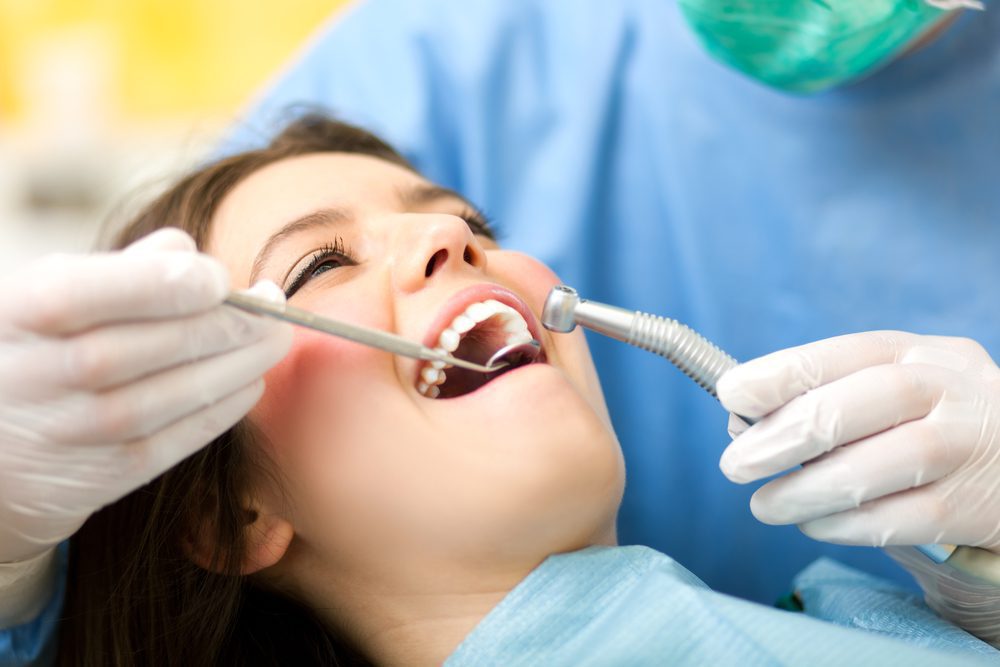
Renovating a clinic is usually seen as a step forward. New layouts, upgraded equipment, and improved workflows all contribute to better patient care. However, many clinics offering dental treatment in Sydney encounter an unexpected issue during this process. Pest activity that was previously hidden within the structure can suddenly become visible. Walls are opened, ceilings are disturbed, and flooring is removed. These changes can expose long-established pest habitats and push them into active treatment areas. What appears to be a hygiene upgrade can, without proper planning, temporarily increase contamination risks instead of reducing them.
How Fit-Out Renovations Disturb Hidden Pest Activity
Dental clinics operate in controlled environments, but their structures often contain concealed spaces where pests can remain undetected for long periods. Wall cavities, ceiling voids, and subfloor areas provide warmth, shelter, and protection from disturbance. Renovation work disrupts these stable environments.
When construction begins, drilling, cutting, and dismantling materials force pests out of their hiding spots. Rodents, cockroaches, and insects that were previously confined to inaccessible areas are suddenly displaced. Instead of remaining hidden, they migrate toward open, accessible spaces, including treatment rooms and storage areas.
This is not necessarily a sign of poor hygiene. Even well-maintained clinics can harbour pests in structural voids. Renovations simply remove the barriers that kept those infestations out of sight.
Common Areas Where Pests Are Dislodged
Certain parts of a clinic are more likely to contain hidden pest activity, particularly areas that are rarely accessed during daily operations. During a fit-out, these areas are opened and disturbed, increasing the likelihood of pest movement.
Wall cavities are one of the most common locations. These enclosed spaces often contain wiring, plumbing, and insulation, making them ideal for pests seeking warmth and protection. When walls are opened, pests lose their shelter and begin searching for new spaces.
Subfloors are another major risk zone. Moisture from plumbing systems and limited ventilation create favourable conditions for insects and rodents. Construction work that involves flooring or structural changes can push pests upward into clinical areas. Ceiling voids also play a significant role. These spaces connect different parts of the building and often remain undisturbed for years. Once opened during renovations, they can release pests into treatment rooms below.
Why Pests Move Into Treatment Areas During Renovations
When their original nesting areas are disrupted, pests do not disappear. They relocate. Treatment rooms become an attractive option because they offer stable temperature, consistent lighting, and access to moisture from sinks and equipment.
Pests are driven by survival. When construction removes their shelter, they seek environments that provide similar conditions. Treatment areas, despite being clean, still offer warmth and occasional organic residue. This makes them suitable temporary habitats.
In addition, construction activity can create new pathways. Gaps around fixtures, exposed pipework, and temporary openings allow pests to move more freely throughout the clinic. These pathways did not exist before the renovation, which is why pest activity may suddenly appear during or after the fit-out process.
Risks to Hygiene and Clinical Operations
The presence of pests in a dental environment is not just an inconvenience. It directly affects hygiene standards and clinical safety. Dental procedures involve exposure to saliva, aerosols, and biological materials, which already require strict infection control measures.
Pests can introduce additional contamination risks. Cockroaches and flies are known to carry bacteria, while rodents can contaminate surfaces and damage equipment. Even brief exposure can compromise sterile environments. There is also an operational impact. Clinics may need to pause treatments, reschedule patients, or carry out emergency cleaning and inspections.
This disrupts workflow and can lead to compliance concerns, especially in regulated healthcare environments. Patient perception is another critical factor. Even a single sighting can affect trust. Clinics providing dental treatment in Sydney are expected to maintain high hygiene standards, and visible pest activity can raise safety concerns, regardless of the underlying cause.
Why Preventive Pest Management Should Be Part of Renovation Planning
Renovations should not focus only on design and functionality. They must also address environmental risks, including pest activity. This is where early planning becomes essential. Before construction begins, a thorough inspection can identify existing pest activity within structural areas. Addressing these issues in advance reduces the likelihood of pests being displaced into treatment spaces.
During the renovation, ongoing monitoring helps detect movement early. Temporary sealing of gaps, controlled waste management, and maintaining clean work zones can limit pest migration. After the renovation is complete, preventive measures ensure long-term control. This is where involving a professional pest exterminator becomes important, as it allows clinics to manage hidden infestations before they spread into operational areas.
A structured approach that includes pre-renovation inspection, monitoring during construction, and post-renovation treatment helps maintain clinical safety. In practice, integrating pest management into overall facility planning ensures that renovations do not compromise hygiene standards or patient safety.
Conclusion
Fit-out renovations are designed to improve dental clinics, but they can unintentionally expose hidden pest problems. By disturbing walls, ceilings, and subfloors, construction work releases pests from long-standing nesting areas and pushes them into active spaces. This creates short-term risks that can affect hygiene, operations, and patient confidence.
Understanding this process allows clinics to plan more effectively. Renovations should include pest inspection and management as part of the overall strategy, not as an afterthought. With the right precautions, clinics can upgrade their spaces without introducing new risks, ensuring that improved design also supports a safe and controlled clinical environment.
FAQs
1. Can renovations cause pest problems in clinics?
Yes. Renovations disturb hidden nesting areas, forcing pests to move into visible spaces such as treatment rooms.
2. Where do pests usually hide in dental clinics?
Pests often remain in wall cavities, subfloors, ceiling voids, and around plumbing systems where they are rarely disturbed.
3. Why do pests move during construction work?
Construction removes their shelter and exposes them to light and movement, causing them to relocate to safer environments.
4. How can clinics prevent pest issues during renovations?
Pre-renovation inspections, monitoring during construction, and sealing entry points help reduce pest movement.
5. Is pest inspection necessary before a fit-out?
Yes. Identifying existing infestations before construction begins helps prevent problems during and after the renovation.
6. What should be done after renovation to ensure safety?
Post-renovation inspections and preventive treatments should be carried out to ensure no pests remain in the structure.