

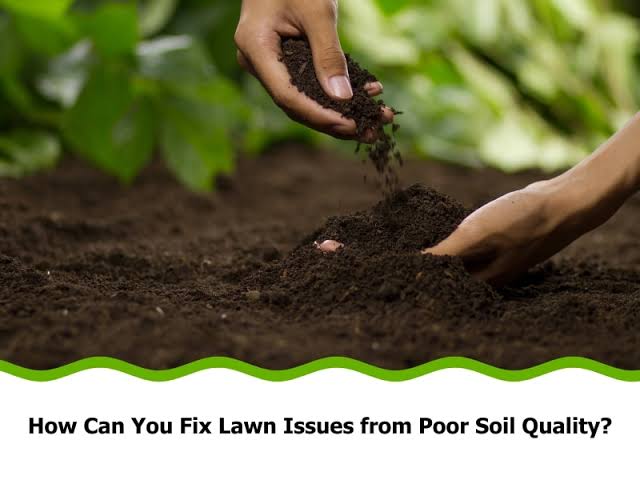
When a lawn starts looking patchy, discoloured or thin, most people blame the grass. They buy a new fertiliser, increase the watering schedule or reseed the bare areas, only to find the same problems returning a few weeks later.
In many cases, the grass isn’t the real issue. Where it grows matters, to the point that even the highest-quality grass seed will struggle if it’s growing in compacted, nutrient-poor, or poorly drained soil.
Here are seven common lawn problems caused by poor soil quality, along with practical ways to restore healthier growing conditions.
1. Compacted Soil Creates Thin, Weak Grass
Compacted soil is one of the most common causes of struggling lawns, particularly in gardens that experience regular foot traffic.
Children playing outside, pets running across the grass, parked vehicles and even repeated mowing when the ground is wet gradually compress the soil over time.
Healthy soil contains countless tiny pockets of air that allow roots to breathe, absorb moisture and expand freely.
Once those spaces become compressed, water struggles to soak in, oxygen levels fall, and roots remain close to the surface rather than growing deeply. As a result, the grass becomes thinner, weaker and far more vulnerable to drought, disease and heavy use.
A simple way to check for compaction is to push a garden fork into the ground. If it takes considerable effort, the soil is probably too dense for healthy root development.
Aerating the lawn during the growing season helps relieve compaction by reopening those air spaces.
2. Nutrient Deficiencies Cause Yellowing and Patchy Growth
Grass depends on a balanced supply of nutrients to produce vigorous, even growth. When the soil lacks essential elements such as nitrogen, phosphorus, or potassium, it will show.
The first signs usually appear as a pale colour, slow growth, and uneven patches across the lawn.
However, poor soil isn’t always completely lacking in nutrients. Sometimes the nutrients are present but unavailable because the soil structure has deteriorated or biological activity has declined. This explains why applying more fertiliser doesn’t always solve the problem.
A soil test provides valuable insight into exactly what your lawn needs, preventing unnecessary treatments and helping you apply the right products at the correct time.
Adding compost, well-rotted organic matter or an appropriate seasonal fertiliser gradually restores nutrient balance while encouraging beneficial microorganisms that naturally improve soil fertility.
Rather than relying on frequent feeding, improving the soil itself creates longer-lasting results and supports stronger grass throughout the growing season.
3. Poor Drainage Encourages Moss, Disease, and Root Rot
Standing water after rainfall is more than just an inconvenience. It is often a sign that the soil cannot drain efficiently, leaving grass roots sitting in saturated ground for extended periods.
Without sufficient oxygen, roots begin to weaken, making the lawn increasingly vulnerable to fungal diseases, moss invasion and root rot. Areas that remain damp for days after rain often become thin and uneven because healthy grass struggles to compete in these conditions.
Improving drainage usually involves addressing the soil rather than simply removing surface water.
Aeration helps create channels for water to move deeper into the ground, while incorporating organic matter improves the soil’s ability to retain moisture without becoming waterlogged.
For gardens with persistent drainage issues or heavy clay soils, installing drainage channels or French drains may provide a more permanent solution. It’s the best way to prevent repeated damage during wet weather.
4. Incorrect Soil pH Prevents Grass from Reaching Its Potential
Even nutrient-rich soil can produce disappointing results if the pH level is out of balance. Soil pH determines how easily grass roots can absorb the nutrients available to them.
When the pH is either too high or too low, essential nutrients become locked away, leaving the lawn unable to benefit from them.
Most lawn grasses perform best in slightly acidic to neutral soil, typically between pH 6.0 and 7.0.
Outside this range, you may notice slow growth, fading colour and reduced recovery after mowing or periods of stress. These symptoms often resemble nutrient deficiencies, which is why many homeowners apply more fertiliser without addressing the underlying issue.
Testing the soil is quick, inexpensive, and takes much of the guesswork out of lawn care. If the soil is overly acidic, garden lime can gradually raise the pH. If it is too alkaline, applying sulphur-based soil amendments can help restore a more suitable balance.
Making gradual adjustments rather than dramatic changes gives the soil time to stabilise and creates better long-term growing conditions.
5. Soil Erosion Leaves Bare and Uneven Areas
Healthy topsoil develops slowly over many years, yet heavy rainfall, strong winds and sloping gardens can remove it surprisingly quickly.
Once this protective layer begins to wash away, grass roots become exposed, making the lawn less stable and far more susceptible to drying out.
Erosion often starts as a few thin patches before developing into uneven areas where grass struggles to establish. As the fertile topsoil disappears, weeds frequently take advantage of the disturbed ground, making the problem even harder to manage.
Preventing erosion is usually easier than repairing the damage afterwards. Ground-cover planting around vulnerable areas, edging on slopes, and maintaining healthy grass coverage all help hold the soil in place.
Applying compost or topsoil to worn areas before overseeding also encourages stronger root development. At the very least, it helps the lawn recover more quickly after periods of heavy rain.
6. Soil Contamination Can Limit Healthy Growth
Although less common than compaction or nutrient deficiencies, contaminated soil can have a significant impact on lawn health.
Gardens built on former industrial land or areas with a history of construction work may contain elevated levels of heavy metals or other pollutants that interfere with healthy plant growth.
Grass growing in contaminated soil may appear stunted, discoloured or unusually thin despite receiving adequate water and routine maintenance.
Because these symptoms can resemble other lawn problems, contamination often goes unnoticed unless the soil is professionally tested.
Where contamination is confirmed, the most appropriate solution depends on the severity of the issue.
In some cases, adding clean topsoil and organic matter can improve growing conditions. More heavily affected areas may benefit from raised beds, specialist soil treatments or partial soil replacement.
Seeking professional advice and advanced lawn care ensures any remedial work is both effective and safe, particularly where children or pets regularly use the garden.
7. Low Organic Matter Leaves Lawns Vulnerable to Drought
Organic matter is one of the most valuable components of healthy soil, yet it is frequently overlooked. It acts like a natural reservoir, helping the soil retain moisture, recycle nutrients and support the microorganisms that keep the growing environment healthy.
When organic matter levels are low, the soil dries out more quickly during warm weather and becomes less effective at supplying nutrients to the grass.
Lawns growing in these conditions often require more frequent watering and are slower to recover from periods of drought or heavy use.
Regular applications of compost, well-rotted organic matter or suitable soil conditioners gradually rebuild the soil’s structure and improve its ability to store both water and nutrients.
Over time, this creates a stronger root system that allows the lawn to cope far better with seasonal weather changes and everyday wear.
Conclusion
A healthy lawn starts well below the surface. While yellow patches and bare areas are easy to spot, they are often symptoms of underlying soil problems rather than issues with the grass itself.
If your lawn continues to struggle despite regular maintenance, professional lawn care management can identify hidden soil problems and recommend targeted treatments.
Investing in the soil today provides the strongest foundation for a greener, more resilient lawn for years to come.