

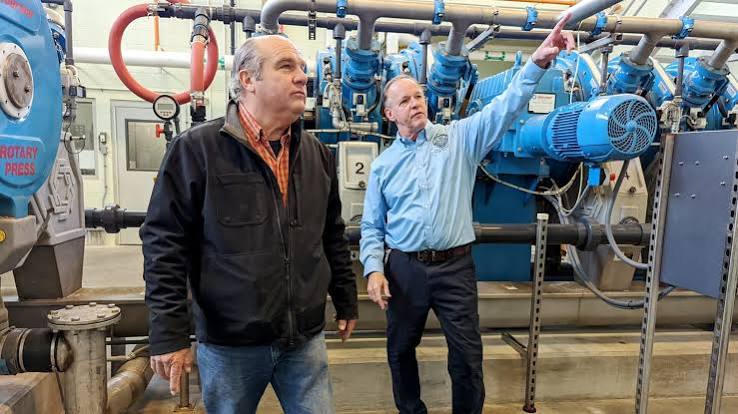
Plumbing has always been a key part of our modern life. It’s rally what separates us from the animals. Having a system which removes waste and at the same time imports clean water into your home is a modern way of life which has seen the average lifespan double since the invention took hold.
Plumbing is one of humanity’s oldest and most essential technologies, yet it has undergone a quiet revolution in the 21st century. What was once a purely functional system of pipes, valves, and fixtures has become smart, sustainable, efficient, and even stylish. Driven by environmental concerns, advancing materials science, digital technology, and stricter regulations, modern plumbing delivers greater reliability, lower water and energy use, and proactive problem-solving that earlier generations could scarcely imagine.
We had a conversation with a plumber in Melbourne, Florida. He had some eye opening revelations we thought we should share. “Plumbing has changed even since I came into this business over 30 years ago. The kinds of pipes and methods were the biggest changes.
From Rigid Metals to Flexible, Long-Lasting Polymers
One of the most significant shifts has been in materials. For much of the 20th century, homes and buildings relied on copper, galvanized steel, or even lead pipes. These had drawbacks: corrosion, heavy weight, labor-intensive installation, and health risks.
In the 21st century, cross-linked polyethylene (PEX), polypropylene (PP), and other plastics have become dominant, especially in residential plumbing. PEX is flexible, corrosion-resistant, freeze-tolerant, and requires fewer fittings, making installation faster and cheaper. Multilayer composite pipes combine plastic layers with an aluminum core for added strength and stability. Recent meta-studies confirm that properly installed modern plastic pipes can deliver safe service lifetimes exceeding 100 years, with failures rarely due to material aging.
These materials also reduce environmental impact through lower production energy, easier transport, and recyclability in some cases. Copper remains a premium choice in certain applications, but hybrids and polymers increasingly deliver cleaner, more sustainable systems.
The Rise of Smart Plumbing
Perhaps the most transformative change is connectivity. Smart plumbing systems use sensors, IoT, and apps to monitor, alert, and act:
Leak detection sensors identify issues early (sometimes at the molecular level with advanced tech) and can automatically shut off water to prevent damage. One study of Flo by Moen systems showed a 96% reduction in paid water damage claims.
Real-time flow monitoring, usage analytics, and predictive maintenance help homeowners and facility managers optimize consumption.
WiFi-enabled valves, smart water heaters, and integrated home systems allow remote control and integration with voice assistants.
Touchless and voice-activated faucets, smart showers with personalized settings (temperature, spray patterns), and even self-cleaning or health-monitoring toilets are moving from luxury to mainstream. These features improve hygiene, convenience, and accessibility.
Design Meets Function
Plumbing fixtures are no longer purely utilitarian. Matte finishes, mixed metals, industrial aesthetics, mood lighting, and customizable designs turn bathrooms and kitchens into personal sanctuaries. Compact, pull-out designs suit smaller modern spaces, while biomimetic and 3D-printed components enable custom, nature-inspired solutions.
“New products and materials are what has really revolutionized plumbing in the 21st century. A plumber from 100 years ago wouldn’t recognize most of our materials and tools.” said our plumber friend. “The tiny TV and video scope we use to detect leaks would probably freak them out the most.”
Benefits and Broader Impacts
These changes deliver tangible wins:
Lower bills and higher EPC/energy ratings through efficient boilers, insulation, controls, and fixtures.
Reduced environmental footprint via water and energy savings plus durable materials.
Fewer emergencies and better maintenance thanks to predictive tech.
Improved health and safety with lead-free standards, better water quality monitoring, and hygiene-focused designs.
Looking Ahead
The future points toward even greater integration: AI-driven optimization, nanotechnology for purification, quantum sensing, widespread greywater reuse, and net-zero water buildings. 3D printing could enable rapid custom repairs or infrastructure, while regulations continue pushing sustainability.
Plumbing in the 21st century is no longer “out of sight, out of mind.” It’s an intelligent, responsive system that protects homes, conserves resources, and enhances daily life. Whether you’re upgrading an old house or building new, embracing these advances pays dividends in comfort, cost savings, and peace of mind.
The pipes may be hidden, but their impact has never been more visible—or more important.
Upcoming Modern Outlook on Plumbing
As we move deeper into the 2020s and beyond, plumbing is poised for its most transformative decade yet. The industry is shifting from reactive repairs to proactive, intelligent, and regenerative systems that treat water as a precious, managed resource rather than an infinite commodity. Sustainability, artificial intelligence, advanced materials, and seamless connectivity will define the next era of plumbing.
Smart, AI-Powered Systems will become standard. Sensors embedded throughout pipes and fixtures will continuously monitor pressure, flow, temperature, and water quality. AI algorithms will predict failures before they occur—detecting microscopic cracks, corrosion, or unusual usage patterns—and automatically isolate sections or schedule maintenance. Quantum sensing and acoustic monitoring promise leak detection at unprecedented precision, potentially eliminating catastrophic water damage. Smart valves and shut-off systems, controllable via smartphone apps, will integrate with broader building management platforms, responding in real time to occupancy, weather data, or utility grid demands.
Water Reuse and Circular Systems are set to expand dramatically. Greywater and blackwater recycling technologies will allow homes and buildings to reuse up to 85% of wastewater for non-potable needs. Advanced nanofiltration, UV disinfection, and membrane bioreactors will make on-site treatment safer and more compact. Dual or multi-pipe systems separating potable, grey, and rainwater will become common in new construction, dramatically reducing demand on municipal supplies.
Sustainable and Innovative Materials will evolve further. While PEX and PP pipes already offer 100+ year lifespans, expect wider adoption of recycled-content plastics, antimicrobial composites, and even biodegradable or self-healing materials. 3D printing will revolutionize repairs and custom components, allowing rapid production of tailored fittings or entire modular systems on-site, cutting waste and downtime.
Energy-Efficient Heating and Fixtures will advance with heat pump water heaters achieving Uniform Energy Factors above 4.0, solar-integrated systems, and instant recirculation pumps that eliminate waiting for hot water while minimizing energy loss. Touchless, voice-activated, and app-controlled fixtures will incorporate hygiene monitoring and personalized user profiles. In commercial and multifamily buildings, centralized smart manifolds and predictive analytics will optimize entire networks.
Regulatory pressures and net-zero goals will accelerate these changes. Expect stricter WaterSense standards, mandatory leak detection in building codes, and incentives for water-positive designs. In urban redevelopments, district-level systems with common utility corridors and integrated MEPF (Mechanical, Electrical, Plumbing, Fire Protection) planning will set new benchmarks for efficiency.
The modern outlook is clear: plumbing will become invisible yet intelligent infrastructure—learning, adapting, and conserving autonomously. Homeowners and facility managers will enjoy lower costs, greater resilience against climate challenges, and real-time insights into their water footprint. For professionals, this means new skills in IoT integration, data analysis, and sustainable design.
By 2030 and beyond, plumbing won’t just deliver water—it will actively protect resources, enhance health, and contribute to a circular economy. The future is connected, efficient, and regenerative, turning one of our oldest technologies into a cornerstone of smart, sustainable living.