
Synthetic grass makes a wonderful investment for creating an evergreen and easily maintained outdoor environment. Nevertheless, with a great number of choices available on the market, finding a good quality product may become a rather complicated task. Quality artificial grass will maintain its attractiveness for many years, withstand any kind of heavy load and extreme weather conditions without showing any signs of wear and tear. On the other hand, if they are not of good quality, they will disintegrate, fade, and fail to do even basic tasks within a season or two after installation.
Whether you are looking for a high-quality artificial grass alternative for commercial landscaping or a sturdy dog run for your backyard, there’s a difference between premium and poor-quality products. As many artificial grass san antonio homeowners realized in the process of purchasing, sometimes even an aesthetically pleasing surface may hide some rather dubious materials. In this article, we will discuss all technical aspects that should be considered when choosing high-quality synthetic grass.
Primary Material Composition and Fiber Science
The inherent polymers play a crucial role in determining how heat, sunlight, and wear-and-tear affect the synthetic turf.
Polyethylene (PE): The industry norm for domestic lawns. This material ensures the best compromise between softness, natural look, and resistance.
Polypropylene (PP): A more rigid but economical option mainly employed on putting greens or as a supporting layer in the composite blade mixture.
Nylon (PA): The most durable and heat-resistant synthetic material. Due to the stiffness and increased cost, nylon is usually combined with polyethylene and used in commercial settings where additional strength and durability are required.
Is artificial grass resistant to prolonged exposure to intense sun and heat? Yes, however, only when the fibers are processed using the best quality UV inhibitors during the extrusion process. Lower quality products spray the fibers with UV protectors that are subsequently washed off with the first rain. High-end turf includes UV inhibitors as part of the polymer mixture and thus resists degradation caused by heat.
Density, Face Weight, and Structural Architecture
Your synthetic grass will be as soft and bouncy as you expect only when you consider the weight and density of the material. In comparing various samples of specifications, take into account the following three interrelated parameters: face weight, pile height, and stitch rate.
Terminology:
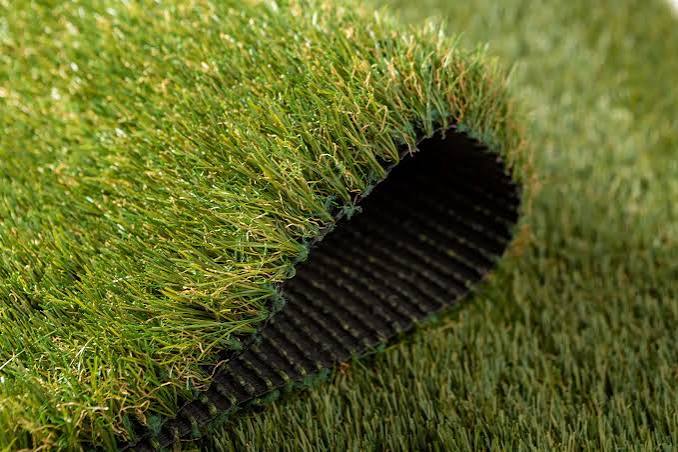
Face Weight: Weight of the turf fibers per square yard without the backing.
Pile Height: Turf blade length from the backing to the tip.
Stitch Rate: Number of fiber tufts in the backing per unit length.
Good quality is determined by good density instead of only blade length. Taller blades with low face weights are prone to collapse easily, thus necessitating frequent brushing. A good turf consists of moderately to densely woven piles with medium to tall height (1.5 to 1.75 inches) in addition to good face weight (75 to 90 ounces per square yard).
Highly Engineered Blade Profiles and Sunlight Reflector Systems
The early versions of artificial grass were made of ribbon-type, flat blades. Though flat blades feel soft at first glance, but they do not have any structural memory as they flatten under even slight pressure. The current versions of artificial grass utilize blade designs for high performance.
- C-Shape & W-Shape Blades: Designed for high foot traffic; these curved profiles reflect light naturally while resisting compression.
- S-Shape & Stem Blades: Provide an exceptionally realistic look by minimizing artificial glare while maintaining upright memory.
- 3D & Multidimensional Weaves: Combine multiple blade geometries and color profiles to replicate natural grass variations.
How do engineered blade shapes reduce lawn surface temperatures? The sophisticated blade shape ensures that the sunlight is divided into different directions instead of being absorbed in one flat layer. Also, the best manufacturers use infrared reflective paint to keep the blade cooler on hot summer days. If you are shopping for artificial grass San Antonio climate conditions require these specialized heat-reducing blade technologies to keep outdoor spaces comfortable throughout intense heat waves.
Backing Systems and Drainage Engineering
The backing layer holds the entire turf system together. Even the finest synthetic fibers will fail prematurely if they are tufted into a weak, brittle backing. High-quality turf features a multi-layered primary backing composed of woven polypropylene fabric, reinforced by a heavy secondary coating.
Polyurethane vs. Latex Backing
The latex backing is used in cheap turf materials. With time, the latex material becomes wet, breaks down due to contact with urine, and becomes brittle in cases of temperature fluctuations. High-quality turf makers use high-quality polyurethane coating or polyolefin backing that lasts for decades without breaking or losing flexibility.
Drainage Permeability Systems
Standard turf uses punch-hole drainage, where small perforations are stamped every few inches along the backing. While adequate for light rainfall, high-performance applications benefit from fully permeable or “100% flow-through” matrix backings. These allow water and liquids to pass through every square inch of the backing at rates exceeding 50 inches per hour, making them ideal for pet owners and flood-prone landscapes.
Practical Field Tests for Buyer Evaluation
Before purchasing any turf sample, perform these quick hands-on quality tests right at home:
- The Tuft Bind Pull Test: Grab a single cluster of grass blades near the backing and pull firmly. A low-grade product will easily shed fibers, while a high-quality product secures fibers with a strong tuft bind strength (typically exceeding 8 to 10 pounds of force).
- Memory Compression Test: Apply force to push your palm against the turf sample for 10 seconds and then remove it. Good quality turf springs back up immediately while lower quality turf remains pressed down.
- Sheen and Color Test: Take the sample outdoors and hold it in bright sunshine. Poor quality turf shows an artificial sheen and uniform single tone color of green blades. High quality turf has a non-glossy surface with multi-toned green blades and tan or brown thatch.
Frequently Asked Questions
What causes artificial grass to look fake or overly shiny?
Low quality flat blades that give off light at the same intensity throughout are the cause of excessive shine. A high-quality synthetic grass has imperfect blade shapes, matte finishes and mixtures of different colored yarns (olive, field green, natural thatch) that mimic the random nature of natural grass.
How long does a good artificial grass last?
A quality synthetic turf made from virgin polyethylene and with a polyurethane backing should last for 15 – 20 years with regular household use. Many quality brands offer extensive manufacturer warranties of 12 to 15 years for fading, fibre loss and backing degradation for their high-end lines.
Does high density artificial turf always work everywhere?
Not necessarily. High-density firings produce better plushness and durability for areas of the lawn that are used heavily, such as playgrounds, pets areas, and residential lawns, but it’s not necessarily the right choice for specialized applications. For instance, golf putting greens have lower pile heights with a particular fiber texture that gives the ball a true roll, while athletic fields that cushion the impact of running, jumping and other activities are designed for compatibility with the specific infills used and not for the highest face weight.
The strength of backing is important to the owner of a pet for what reason?
Ammonia and acid compounds from pet urine will eat away the quality of bad latex backings over time, resulting in odor retention and backing rot. High grade polyurethane or matrix backings will not absorb moisture, break down chemicals or be flushed easily as part of a regular hose wash down.