

Post Preview
Key Takeaways
- Understand what an as-is sale includes and disclose known property issues.
- Compare traditional, FSBO, cash, and investor sale options.
- Review the home’s condition, records, title, and potential repair costs.
- Compare offers based on net proceeds, terms, timing, and closing costs.
- Read contracts carefully and resolve disclosure or title issues before closing.
Selling a house as-is in Richmond, Kentucky, can be a practical choice when repairs, inherited property responsibilities, vacancy, tenant issues, or a tight moving schedule make a traditional sale difficult. Homeowners who want a direct-sale baseline can review https://www.kentuckysellnow.com/we-buy-houses-richmond/ before deciding which approach best fits their situation.
An as-is sale does not have to mean rushing into the first offer or ignoring the home’s condition. A thoughtful process can help a seller compare likely proceeds, reduce surprises at closing, and choose between a conventional listing, a direct buyer, or another route.
Richmond sellers should remember that broad market figures are only a starting point. A home’s location, lot, maintenance history, age, layout, and condition can all affect what buyers are willing to pay.
Before committing to major repairs or a listing plan, compare the time, effort, and likely net proceeds of each option. Sellers weighing nearby alternatives may also encounter offers for cash for houses in Louisville, KY, but a Richmond property should be evaluated on its own condition, local demand, and closing needs.
What “As-Is” Means In A Home Sale
An as-is sale generally means the seller does not promise to make repairs or improvements before closing. The buyer may still inspect the property, ask questions, request a price adjustment, or choose not to proceed if the contract allows it. The phrase does not give a seller permission to hide known problems.
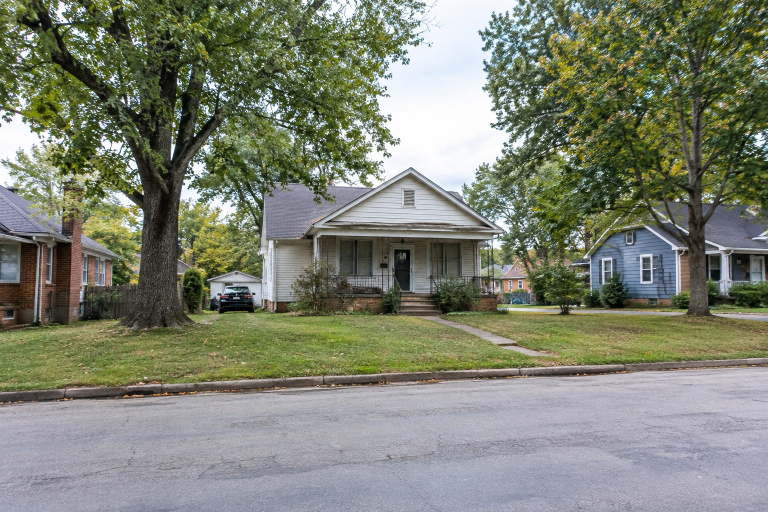
For example, an older Richmond home may have worn flooring, an aging roof, outdated plumbing, or a damp crawl space. Selling as-is can allow the owner to price those concerns into the transaction rather than completing every project. Clear communication is still essential, especially when a seller knows about leaks, drainage problems, prior repairs, or nonworking systems.
What Richmond Sellers Should Watch
Richmond’s housing market includes homes at very different price points and in varying conditions. Zillow reported a typical home value of $301,436 in Richmond as of August 31, 2026, with homes going pending in around 26 days. Those Richmond housing market figures can provide context, but they cannot replace a review of a specific property.
Buyers often pay close attention to high-cost components, including roofs, HVAC equipment, foundations, electrical panels, plumbing, basements, and crawl spaces. Water management also matters. Sellers should gather any records related to past leaks, drainage work, insurance claims, sump pumps, or repairs, rather than relying on memory during negotiations.
Compare The Main Ways To Sell
- Traditional listing: May reach a broader pool of buyers and support a higher price, but can require cleaning, showings, inspections, appraisals, and financing timelines.
- For sale by owner: Gives the owner direct control, but also places marketing, scheduling, negotiation, and paperwork responsibilities on the seller.
- Direct cash sale: May reduce preparation and shorten the path to closing, although the offer may reflect the buyer’s repair costs and resale risk.
- Investor sale: Can suit vacant, inherited, damaged, or tenant-occupied properties, but contract terms and the buyer’s ability to close deserve careful review.
Review The Property Before Setting A Price
A simple pre-sale review helps a seller speak accurately with agents and buyers. Make a list of the home’s age, square footage, major updates, and known concerns. Then separate safety issues from cosmetic work. A broken handrail or active leak may require urgent attention, while dated paint or carpeting may simply affect price and buyer expectations.
- Check visible signs of roof, foundation, plumbing, electrical, HVAC, pest, or moisture problems.
- Collect permits, warranties, repair invoices, inspection reports, and insurance documents.
- Ask for repair estimates when useful, without assuming every repair must be completed.
- Compare the expected cost of work with the likely benefit to the final net proceeds.
Handle Disclosures And Title Questions
“As-is” is not the same as “unknown” or “undisclosed.” Kentucky’s seller disclosure requirements apply to certain residential transactions involving licensed real estate professionals, and the required form addresses items such as roof, basement, water, sewage, and component and system conditions. Sellers can review those requirements and seek legal guidance for questions about their specific transaction.
Title work can uncover issues that must be resolved before closing, including mortgage payoffs, judgment liens, unpaid taxes, ownership disputes, or estate matters. An inherited property may require probate-related documents or authority from the appropriate estate representative. A fast offer does not eliminate the need for proper title review.
Review Cash Offers With Care
The best offer is not always the highest number at the top of the page. Compare the full terms, including the proposed closing date, earnest money, inspection or cancellation period, requested seller costs, and any assignment language that allows the buyer to transfer the agreement.
- Confirm the buyer’s legal name, contact details, and business information.
- Ask how the purchase will be funded and, when appropriate, request proof of funds.
- Read the inspection, cancellation, and assignment clauses before signing.
- Confirm who will pay title charges, recording fees, cleanup costs, and other closing expenses.
Plan For Costs, Timing, And Moving
Focus on estimated net proceeds rather than the gross offer. Potential deductions can include mortgage payoff, liens, property taxes, title charges, attorney fees, agreed seller concessions, moving expenses, and cleanup. Keep utilities active through closing when inspections, appraisals, or final walkthroughs are expected.
Create a written move-out checklist that covers personal belongings, furniture, trash, keys, garage remotes, and documents. If the items will remain, put the agreement in writing to avoid confusion after possession changes hands.
Avoid Common Seller Mistakes
- Accepting the first offer without comparing the complete terms.
- Relying only on an online estimate to set expectations.
- Spending heavily on upgrades without considering the likely return.
- Overlooking tax balances, liens, probate issues, or ownership questions.
- Signing before reading cancellation and assignment provisions.
- Leaving known water, structural, or system concerns out of communications and required paperwork.
Final Thoughts
Selling a house as-is in Richmond can be a sensible path when speed, convenience, or avoiding repairs matters most. Review the property honestly, gather records, compare offers carefully, and ensure title and disclosure questions are addressed before closing. The right choice depends on the seller’s priorities, whether that is price, timing, certainty, or a simpler transition.
