

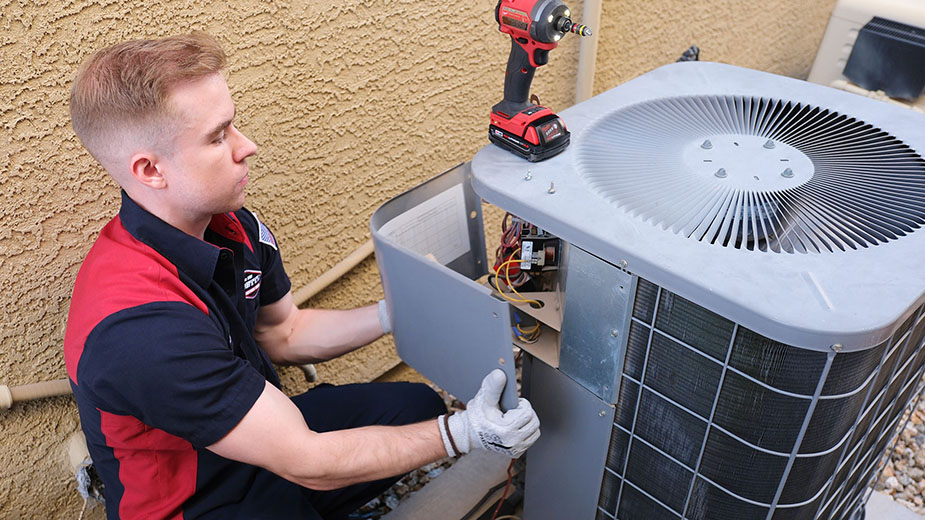
Keeping your home’s heating and cooling system in good condition starts with more than scheduling an occasional service visit. A clear maintenance record helps you track equipment details, remember previous repairs, identify recurring comfort problems, and give technicians useful information when something goes wrong. For San Antonio homeowners, where long periods of hot weather can put air conditioning systems under heavy demand, staying organised can make HVAC maintenance easier to manage.
One practical step is to keep a dedicated log alongside your home maintenance documents and use it whenever a filter is changed, a service visit takes place, or an unusual symptom appears. If you need professional help, a local provider offering AC maintenance San Antonio services can be a useful starting point for arranging qualified assistance and discussing your system’s needs.
1. Record Your HVAC Equipment Details
Start by creating a basic equipment profile. Knowing what is installed in your home helps a technician identify the correct documentation, replacement components, and service requirements.
Include the following information:
- Equipment type: Central air conditioner, heat pump, furnace, or ductless mini-split.
- Manufacturer and model: Record the make and full model number for each major unit.
- Serial number: Keep this available for identification and warranty-related enquiries.
- Installation date: Record the installation date if known, along with any available paperwork.
- Thermostat details: Note the thermostat model and any relevant settings or operating schedules.
Keep photographs of equipment labels if they are safely accessible. Avoid opening electrical panels or removing equipment covers just to locate information. If a label is difficult to reach, ask a qualified technician to record the details during a service visit.
2. Keep a Clear Record of Service Dates
A maintenance log is most useful when entries are made consistently. Record the date of every professional inspection, repair, installation, or other significant service visit.
For each appointment, include the reason for the visit, the work completed, any components replaced, and recommendations for future attention. Save invoices, inspection reports, and receipts alongside the log.
For example, an entry might read:
Date: April 12
Reason: Seasonal cooling inspection
Work recorded: Filter checked, condensate drain inspected, system performance assessed
Follow-up: Confirm recommended date for the next maintenance visit
This format creates a simple history that can help you understand what has already been checked and which recommendations remain outstanding.
3. Document Air Filter Specifications

Air filters are easy to overlook, yet the correct filter is important for maintaining appropriate airflow and protecting HVAC equipment.
Record the filter’s dimensions, filter type, manufacturer if known, and replacement date. If the packaging includes a model number or rating, keep that information as well.
Do not assume that every filter with the same physical dimensions is interchangeable. Check the equipment documentation or ask a qualified technician to confirm the appropriate specification.
It is also useful to note how frequently the filter is replaced and whether it appears unusually dirty when removed. Filter replacement intervals depend on the system, filter type, household conditions, and manufacturer’s guidance, so use the recommended schedule rather than relying on a universal timetable.
4. Track Recurring Comfort Symptoms
Your maintenance record should cover how the home feels, not just what a technician does.
When a problem appears, write down the date, the affected room, the conditions, and what you noticed. Useful observations include:
- A room that repeatedly feels warmer than the rest of the house.
- Weak airflow from one or more vents.
- Unusual sounds when the system starts or stops.
- Indoor humidity that seems higher than usual.
- Water appearing near indoor equipment.
- A system that switches on and off more frequently than expected.
Include relevant context, such as the approximate outdoor conditions, thermostat setting, and whether the symptom occurs throughout the day or only at certain times.
These notes can help a technician distinguish an isolated incident from a recurring pattern. If you notice burning smells, exposed wiring, or another potentially dangerous condition, prioritise safety and contact an appropriate professional rather than attempting a repair yourself.
5. Write Down Questions Before a Service Visit
It is easy to forget important questions when a technician arrives. Preparing them in advance helps you make better use of the appointment.
Consider asking:
- Is the equipment operating according to its specifications?
- Are any components showing signs of wear?
- Is the filter specification appropriate for this system?
- Are there recurring airflow or humidity concerns that need investigation?
- Which maintenance tasks should be scheduled next?
- Are any repairs urgent, and which can be monitored?
- Are there manufacturer recommendations or warranty conditions I should know about?
Record the answers, including any recommended follow-up dates. If a repair is proposed, ask for an explanation of the issue, the available options, and the associated costs before authorising work.
6. Choose a Record-Keeping System You Will Actually Use
The best maintenance log is one you can update without much effort. A notebook, spreadsheet, digital document, or folder of service reports can all work well.
Whichever method you choose, keep the information in one consistent location. Back up digital records and retain important invoices and equipment documentation.
A simple spreadsheet might contain columns for the date, equipment, symptom or service reason, work performed, parts used, technician recommendations, and next action. Review it before each seasonal service appointment so you can highlight recurring issues and outstanding recommendations.
7. Review the Record Before the Weather Changes
San Antonio’s hot summers make cooling readiness an important household consideration. Before periods of heavier AC use, review the previous service notes, check when the filter was last replaced, and identify any unresolved concerns.
If the system struggled during the previous summer, mention the exact symptoms rather than simply reporting that it did not cool well. Specific observations give a qualified technician a clearer starting point for assessment.
Keep in mind that a maintenance log supports professional diagnosis but does not replace inspection, testing, or manufacturer-recommended servicing.
Conclusion
A useful HVAC maintenance record does not need to be complicated. By documenting equipment models, service dates, filter specifications, recurring comfort symptoms, and questions for technicians, homeowners can build a clearer picture of their system’s condition over time.
The real benefit is continuity: each service visit becomes part of an organised history instead of an isolated event. With consistent record-keeping and appropriate professional maintenance, San Antonio homeowners can make more informed decisions about their heating and cooling equipment throughout the year.