

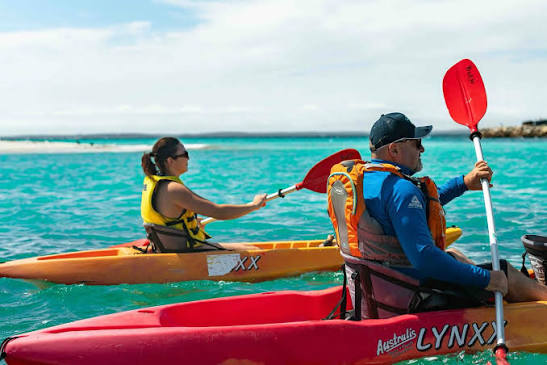
Jervis Bay boasts some of the whitest sand on Earth – documented in records for its sheer brightness – and Hyams Beach is perfectly positioned at its heart. The type of water here attracts individuals seeking a residence very close to the shoreline itself – though constructing one so near the coast involves regulations that few inland purchasers ever consider. A bushfire risk, flood zones, and quite stringent coastal restrictions by the Shoalhaven City Council must all be met prior to even beginning construction on a single wall. Builders jervis bay locals vouch for already understand these layers, because getting even one wrong can stall a build for months.
What Coastal Building Actually Requires
Shoalhaven sits in a mapped bushfire prone zone across large parts of the shire, Jervis Bay included. That triggers a Bushfire Attack Level assessment under the Australian Standard for construction in bushfire areas, and the rating that comes back decides almost everything about the build.
| BAL Rating | What Triggers It | What It Demands |
|---|---|---|
| BAL Low | Minimal exposure | Standard construction methods |
| BAL 12.5 to 19 | Moderate ember exposure | Ember-proof vents and screens |
| BAL 29 to 40 | Heavy exposure near bushland | Fire rated glazing and cladding |
| BAL FZ | Direct flame contact zone | Specialist fire engineering required |
A block backing onto bush can land anywhere on that table, and the cost difference between the bottom and top of it is not small.
Salt, Wind, and Sand Movement
Exposure to the coast near Jervis Bay results in wind-driven salt and shifting sand – particularly on lots very close to the shoreline itself. Standard fixings will corrode much more quickly here than almost anywhere else inland, whilst loose sandy soils frequently demand deeper foundations than an average build might require. A geotechnical report earns its cost back fast on sand country. Skip it and a slab can start settling unevenly within a few short years, long before the mortgage is anywhere near paid off.
Booderee National Park adjoins a portion of our coastline – thus some adjacent lots have additional vegetation clearance restrictions over and above normal bushfire protection regulations. An approval for clearing might take many weeks – so do include that in your construction schedule instead of expecting land to be cleared the very same week work commences.
Flood and Foreshore Controls
Land that sits very low near the bay’s edge might be included in flood planning zones – and some seaside blocks are covered by coastal management regulations, which set limits on just how close a building can be to the water itself. These checks really must occur before any actual designing starts – rather than after a builder creates their plans only for the council to reject them later.
Jervis Bay Marine Park has safeguarded our waters since 1998, and this protection directly influences how local councils handle both stormwater and runoff from new constructions nearby. Controlling sediment during building isn’t simply about checking boxes off a list. Inspectors will actually verify it, and failing an inspection could bring work to a halt for days until the site is properly corrected.
What to Actually Ask a Builder Before Hiring Them
A builder who has never handled a BAL 29 rating will learn on your project, and that is an expensive lesson for you, not them. Before signing anything, ask straight questions:
- Have they built to BAL 29 or higher before, and can they show it
- Do they use a fire engineer for anything above BAL 19
- What is their actual turnaround on a flood or bushfire referral through council
- Who handles corrosion-resistant fixings, and is it priced in or added later
I would walk away from any builder who gets vague on that last question. Vague pricing on fixings almost always means a surprise invoice halfway through the frame stage, and that is the worst time to find out your budget was never really complete.